
test d'huile de transformateur
Transformer Oil Testing Equipment & Insulating Oil Diagnostic Systems
Precision Laboratory & On-Site Instruments for Dielectric Liquid Analysis
Fully Compliant with ASTM D1816, ASTM D877, ASTM D1533, IEC 60156, and IEC 60247 International Standards.
Pourquoi choisir Run Test Electric ?
As an established transformer oil test equipment manufacturer and global factory direct supplier, Run Test Electric delivers field-proven and laboratory-grade fluid diagnostics.
-
Approvisionnement direct depuis l'usine : Direct-from-factory procurement eliminates middleman markup, offering highly competitive pricing and robust OEM & ODM modification support.
-
Rigorous International Compliance: Our hardware layouts and detection firmware strictly adhere to international engineering benchmarks including IEC, ASTM, ISO, and NETA.
-
Global Export & Logistics Performance: Housed in heavy-duty, IP67-rated transit packaging designed to withstand global transit to remote utility grids and testing stations.
-
On-Site Metrology & Calibration Support: Every transformer oil testing instrument is shipped with complete factory calibration tracking data, ensuring turnkey integration into certified ISO 17025 laboratories.
Request a Factory Quote & Comprehensive transformer oil testers Catalog.
-
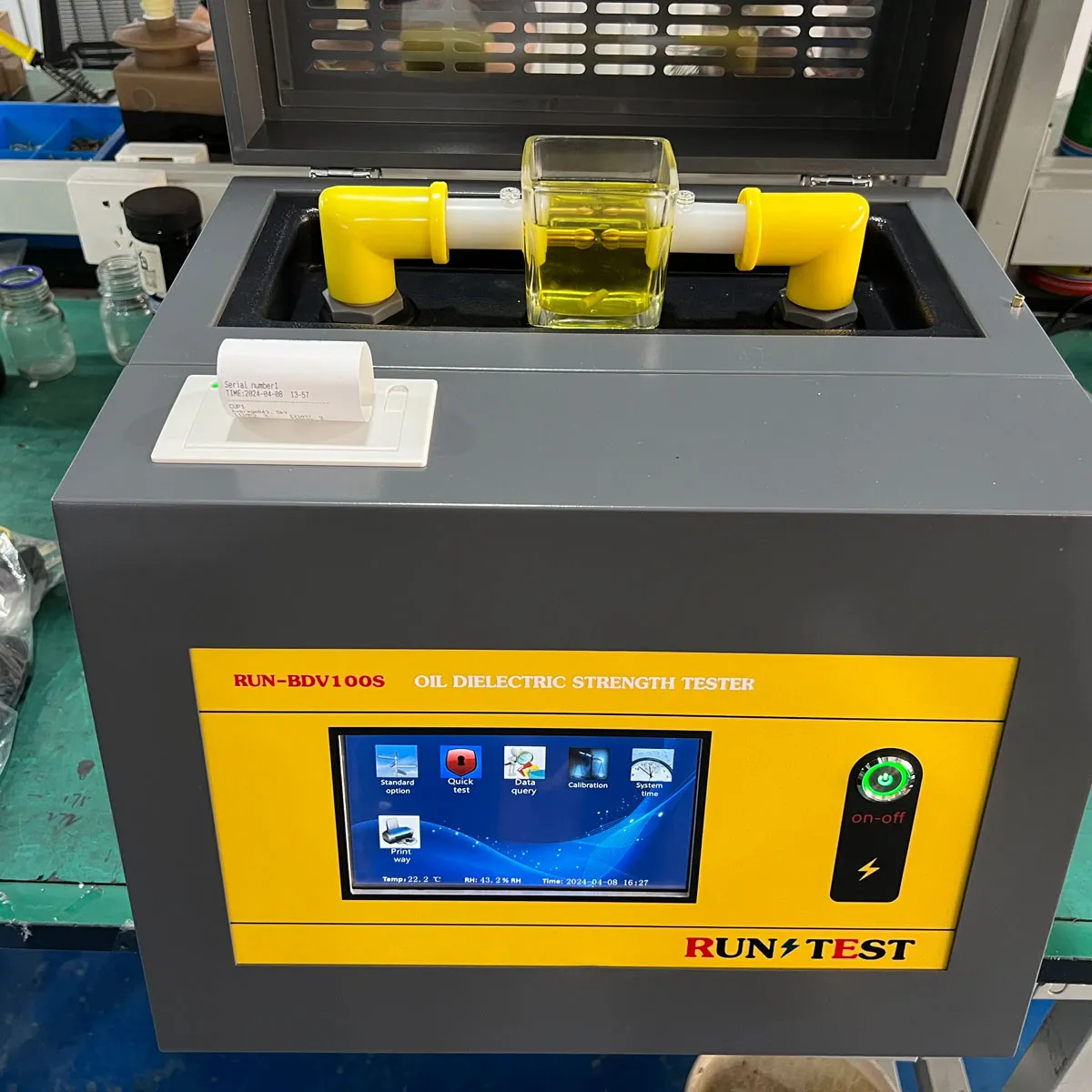
Testeur d'huile de transformateur 100KV BDV
-
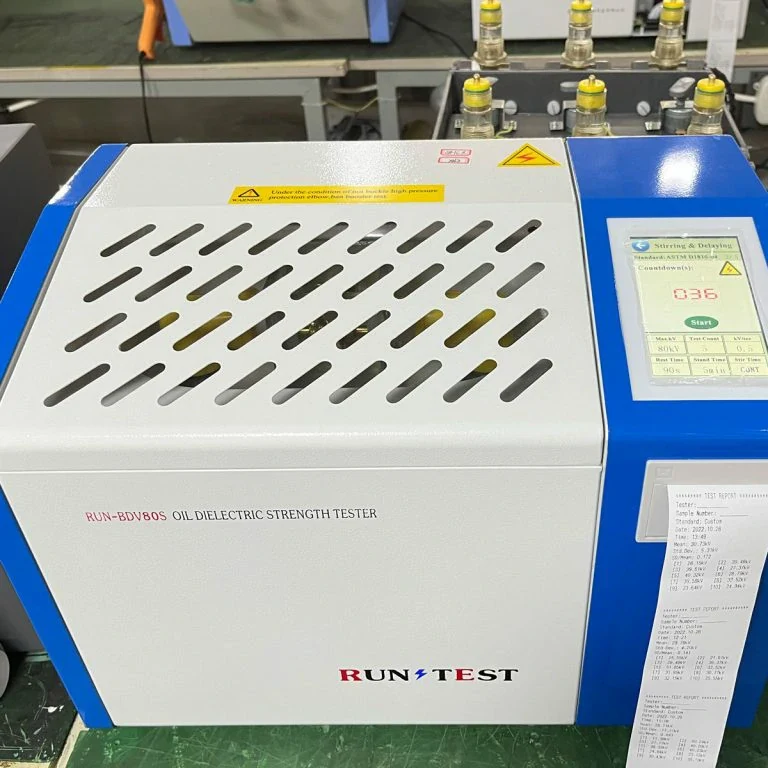
Testeur d'huile Bdv 0-80kv pour test de tension de rupture d'huile de transformateur
-
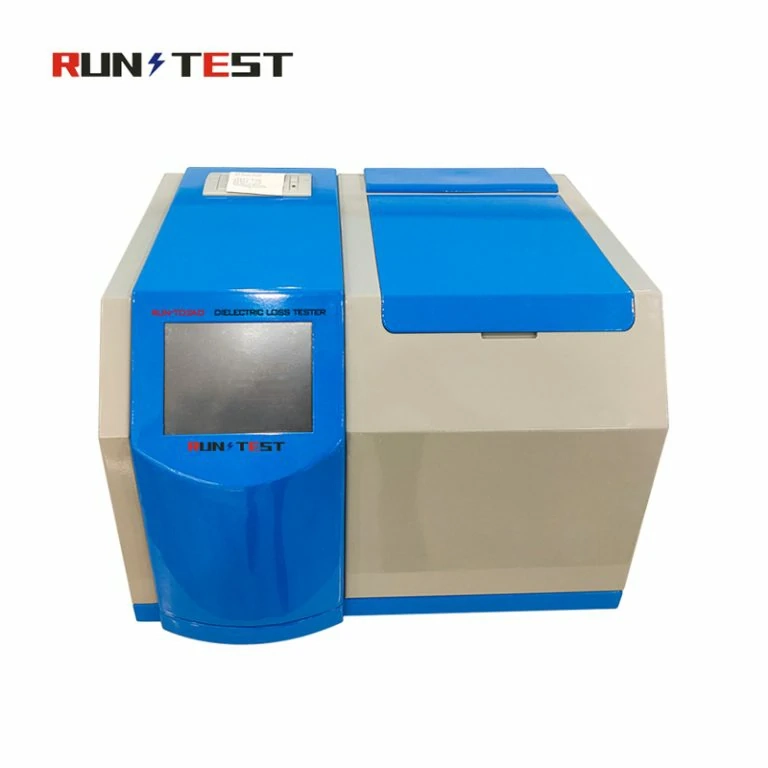
Testeur de perte diélectrique de haute qualité Tan Delta Meter Automatic Transformer Capacitance Dissipation Test
-
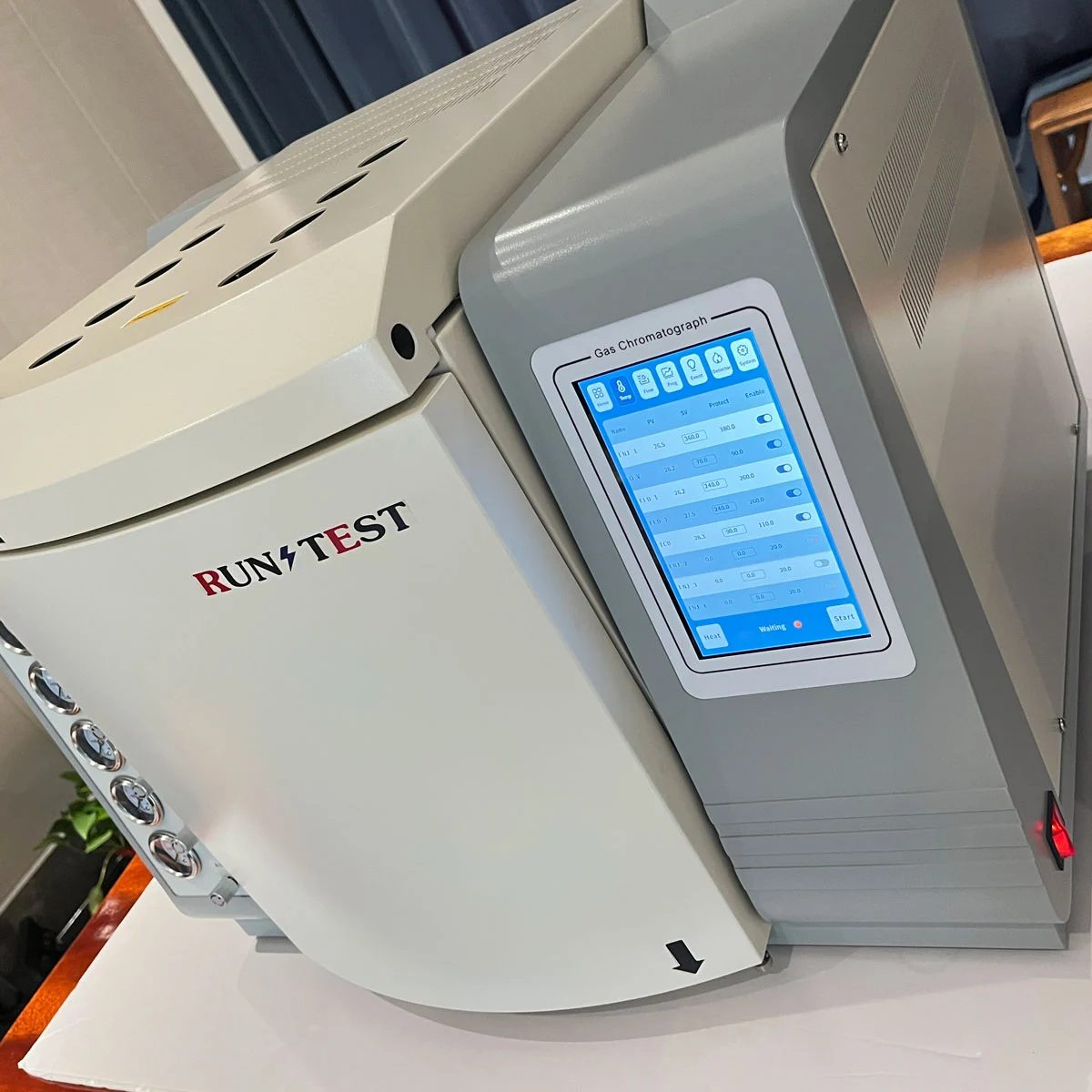
Analyseur d'huile de transformateur par chromatographie en phase gazeuse dissoute
-
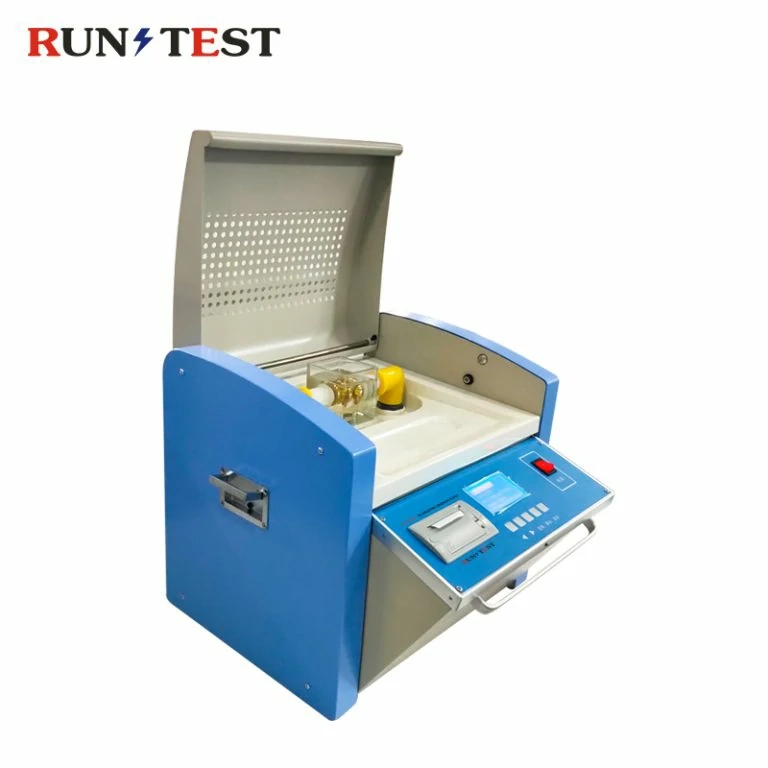
Testeur automatique d'huile d'isolation 100kv Equipement de test de rigidité diélectrique Testeur d'huile de transformateur BDV
-
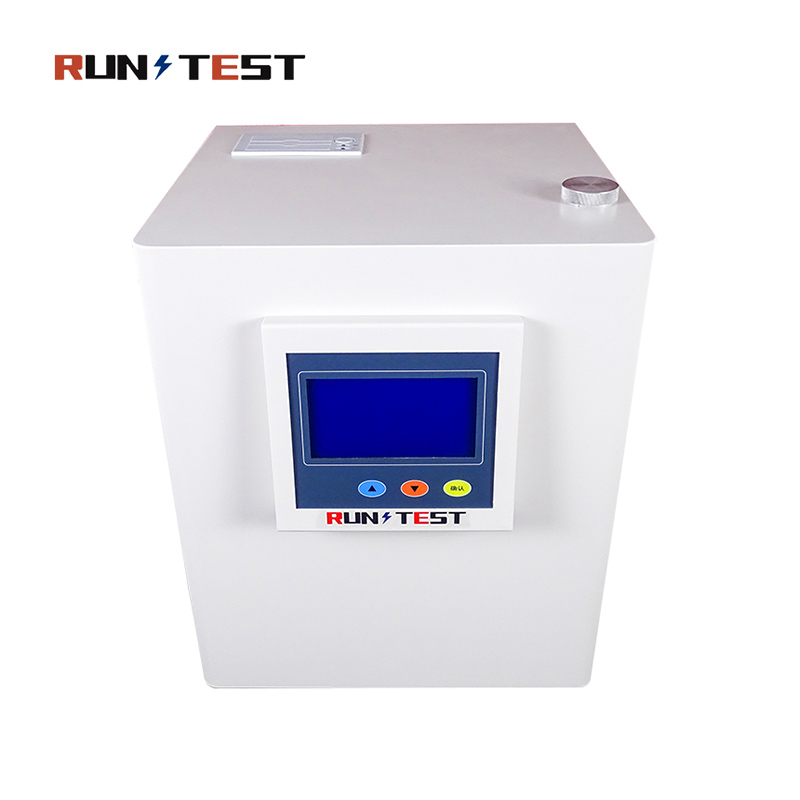
Testeur automatique du point de solidification et d'écoulement de l'huile d'isolation des transformateurs
-
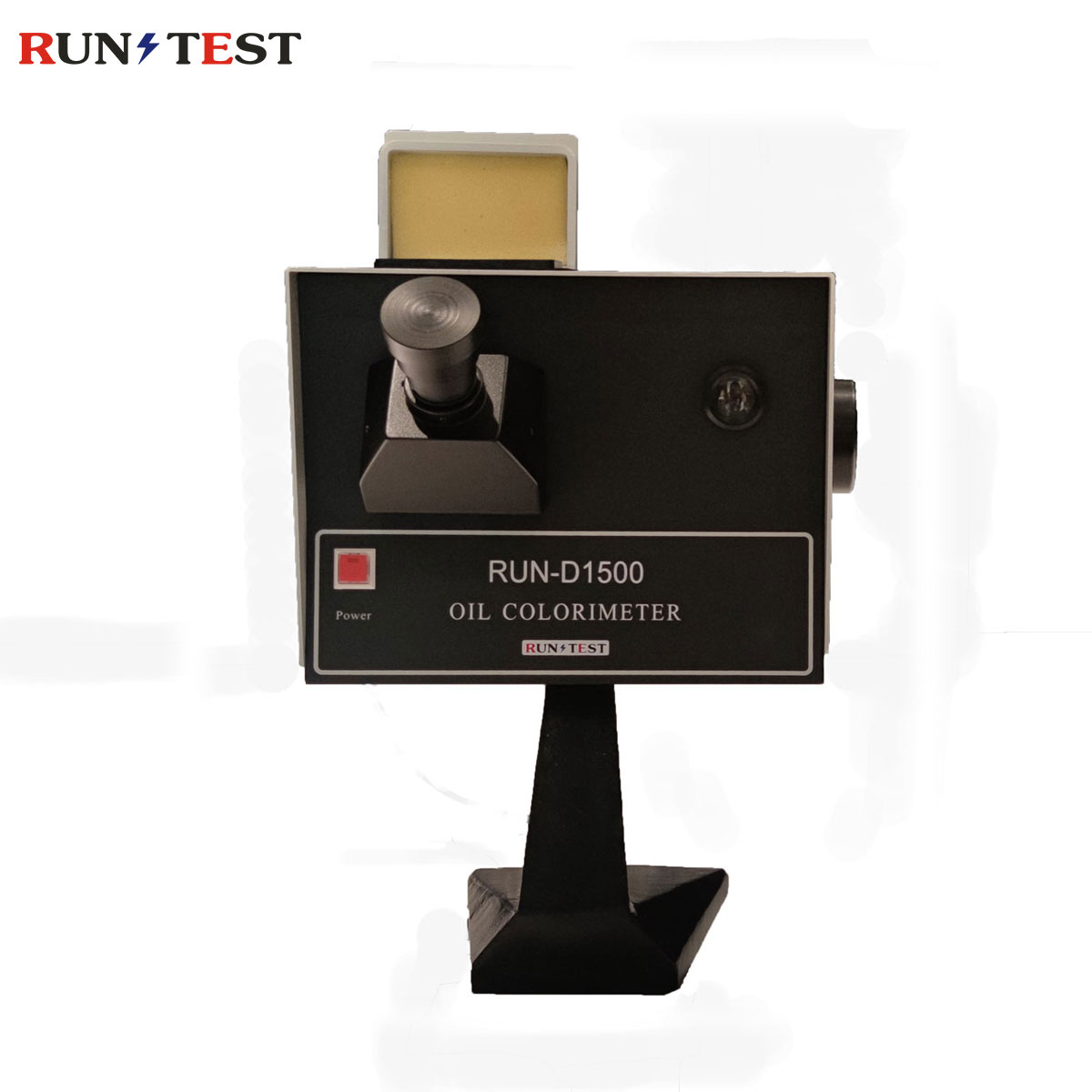
Colorimètre pour huiles lubrifiantes et produits pétroliers ASTM D1500
-
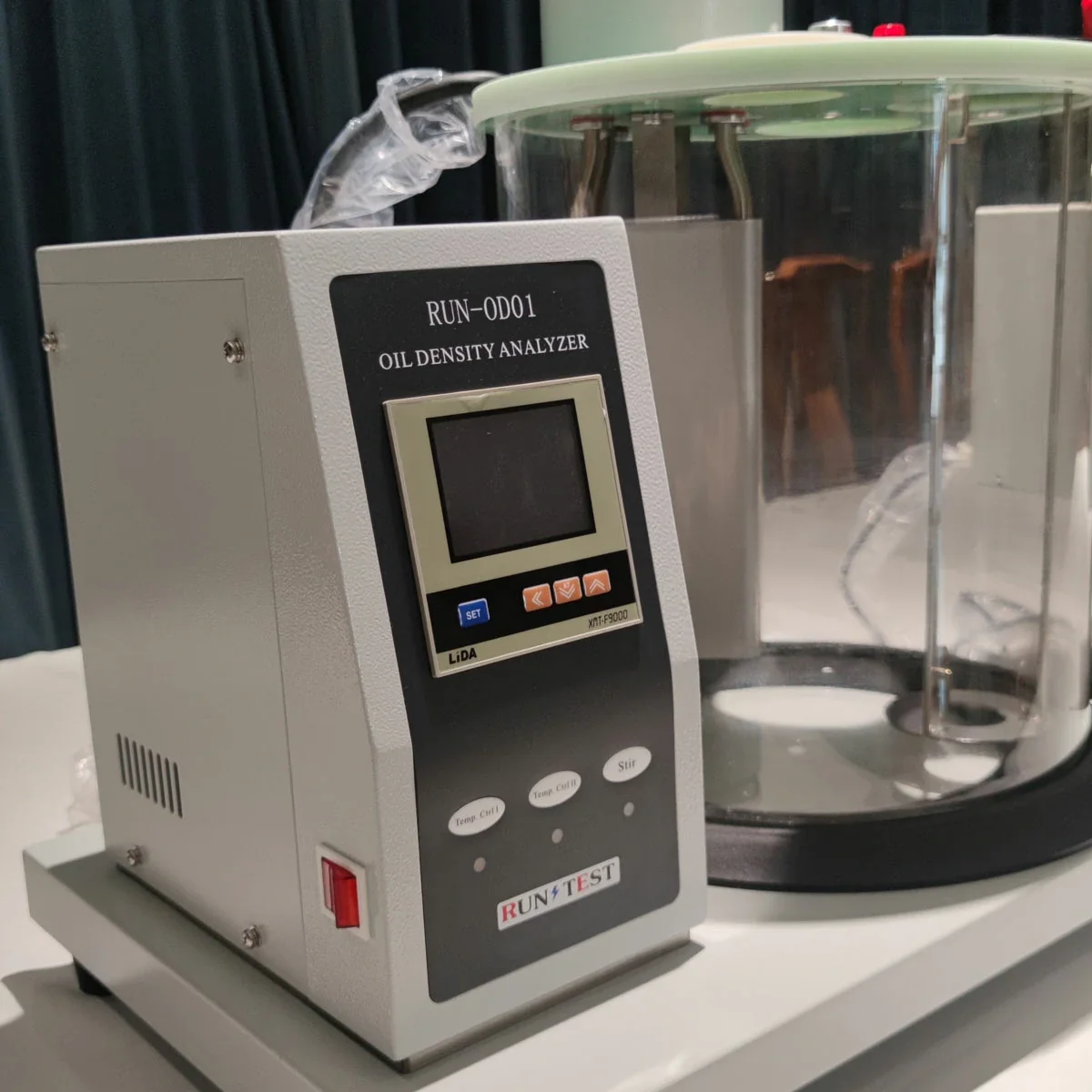
ASTM D1298 Équipement de test de densité de l'huile de pétrole
-
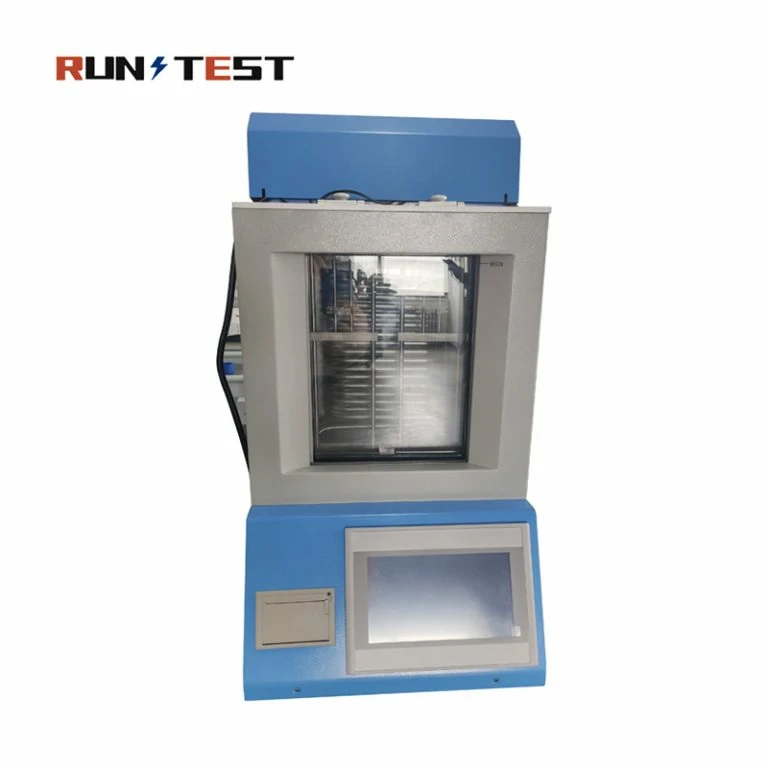
Equipement de laboratoire Testeur de viscosité cinématique de l'huile isolée
What Is Transformer Oil Testing?
Transformer oil testing, or insulating oil testing, is a core component of high-voltage substation diagnostic procedures. Insulating oil plays a triple role within power transformers: it provides vital electrical insulation to prevent dielectric breakdown, acts as a thermal cooling medium to dissipate heat from the core and windings, and serves as an information carrier for early fault diagnosis.
Over time, active transformers expose their dielectric fluids to extreme thermal stress, oxygen, and moisture, leading to oxidation, particulate contamination, and chemical degradation. Through systematic transformer oil analysis, field engineers can evaluate chemical decomposition thresholds, monitor moisture levels, and detect dissolved fault gases, rendering an accurate transformer condition assessment before fatal insulation failures occur.
Why Transformer Oil Testing Matters
-
Prevent Catastrophic Failures: Identify underlying severe anomalies such as localized winding overheating, core hot spots, partial discharge, and internal arcing before they trigger catastrophic dielectric failures.
-
Improve Grid Reliability: Scheduled preventative maintenance reduces the occurrence of unexpected transformer trips, maintaining continuous uptime for critical transmission networks.
-
Extend Transformer Service Life: Tracking oil parameters allows for timely interventions, such as oil filtration, degasification, or fluid regeneration, drastically slowing down the degradation of the solid paper insulation wrapping the windings.
-
Optimize Lifecycle Asset Management: Accurate, historical transformer oil diagnostics data enables asset managers to move from reactive maintenance to an optimized predictive maintenance strategy, saving massive capital expenditure.
Browse Our Transformer Oil Testing Equipment Portfolio
Dielectric Breakdown Voltage Test
Engineered to quantify the dielectric strength and spark-over threshold of insulating liquids, serving as a primary indicator of water droplets and conductive particulate contamination.
-
Compétences clés : Executes fully automated dielectric strength testing sequences with options for 60kV, 80kV, and 100kV testing limits. Supports automatic motor-driven magnetic stirring and flexible electrode gap alignment.
-
Références techniques : Features a microsecond-level high-voltage shutdown circuit (< 10) to prevent carbon tracking and electrode pitting during breakdown. Delivers software-controlled voltage ramp rates (0.5kV/s to 5.0kV/s) with an accuracy of 1.0%.
-
Sécurité sur le terrain : Housed in an integrated heavy-duty magnetic shield cage to completely isolate power-frequency electrostatic field interference in live high-voltage environments.
Dissolved Gas Analysis (DGA) Equipment
High-precision laboratory gas chromatographs designed to extract, detect, and quantify trace concentrations of combustible fault gases dissolved in insulating fluid.
-
Compétences clés : Isolates thermal and electrical faults inside transformer tanks by tracking critical gases, including Hydrogen, Methane, Acetylene, Ethylene, Ethane, Carbon Monoxide, and Carbon Dioxide.
-
Références techniques : Utilizes high-efficiency headspace degassing methodologies paired with Flame Ionization Detectors (FID) and Thermal Conductivity Detectors (TCD), delivering sub-ppm detection thresholds down to 0.1 ppm for Acetylene (C2H2).
-
Analytical Integration: Built-in firmware engines dynamically render automated fault diagnosis using Duval's Triangle, Rogers' Ratios, and Key Gas evaluation matrices.
Moisture Content Testers (Karl Fischer Titrators)
Precision coulometric Karl Fischer titration instruments engineered to determine the absolute trace water content within insulating oil down to single-digit ppm levels.
-
Compétences clés : Performs high-sensitivity electrochemical detection to trace microscopic water ingress in aging cellulose insulation and mineral fluids.
-
Références techniques : Features a high-accuracy variable electrolysis current source up to 400mA, yielding a measurement resolution down to 0.1 micrograms of water. Automatically calculates results based on sample weight, volume, and oil density.
-
Lab Safety: Incorporates a fully sealed titration cell matrix to completely isolate environmental ambient humidity ingress during ppm measurement workflows.
Oil Tan Delta & Resistivity Testers
Advanced automatic oil bridges designed to evaluate the dielectric dissipation factor (tan delta) and DC volume resistivity of insulating liquids, exposing soluble chemical contamination and colloidal degradation particles.
-
Compétences clés : Quantifies relative permittivity, insulation power factor, and high-resolution volume resistivity within a single automated testing cycle.
-
Références techniques : Utilizes low-loss digital AC bridges capable of testing tan delta values down to 10-5 resolution. Features automated empty-cell capacitance calibration and internal oil drainage valves for mess-free flushing.
-
Thermal Control: Integrates a standard three-electrode test cell structure with high-frequency induction heating technology, ensuring uniform temperature stabilization exactly at 9O℃ (+0.5°C) in accordance with IEC 60247 and ASTM D924.
Interfacial Tension Testers
Automated ring-tensiometers utilizing the Du Noüy ring method to measure the interfacial tension between insulating oil and water, indicating the presence of hydrophilic oxidation products and sludge precursors.
-
Compétences clés : Tracks early-stage chemical degradation and surfactant contamination before sludge begins to precipitate onto the transformer active windings.
-
Références techniques : Driven by high-resolution electronic micro-balances paired with automated vertical lifting mechanisms, ensuring vibration-free liquid meniscus separation and direct mN/m surface tension readings.
-
Analytical Integration: Built-in microprocessors execute automatic calculation profiles incorporating the Zuidema-Waters correlation matrix to adjust for liquid density differentials.
Flash Point Testers
Precision laboratory testing units engineered to determine the volatile flash limits of insulating fluids, exposing internal thermal cracking, oil aging, or fuel contamination.
-
Compétences clés : Executes automated closed-cup or open-cup flash point determinations, matching the specific safety evaluation requirements of utility grid assets.
-
Références techniques : Features automated mechanical sweeping, customizable precise heating ramps matching technical standard curves, and highly responsive ionization flash detectors.
-
Atmospheric Correction: Open-cup variations incorporate automatic atmospheric pressure correction modules to standardize results across high-altitude substations.
Oil Acid Value Testers
Automatic potentiometric neutralization number titrators designed to determine the precise acid value and acidity accumulation in aging transformer oils.
-
Compétences clés : Replaces subjective manual color-indicator extraction methods with high-precision potentiometric electrodes and micro-step titration dosing pumps accurate to 0.01 mL.
-
Références techniques : Capable of executing multi-cup automated testing sequences, providing exact neutralization points for highly discolored, dark, or severely aged oil samples.
Oil Viscosity Testers
High-precision kinematic viscosity thermostatic baths designed to track fluid flow parameters and heat dissipation capabilities under strict thermal conditions.
-
Compétences clés : Measures the kinematic viscosity coefficients (mm2/s ) of transformer fluids to evaluate active cooling efficiency and fluid pump compliance.
-
Références techniques : Configured with double-layer insulated glass thermostatic constant-temperature baths boasting a strict control accuracy of ±0.01℃. Supports simultaneous multi-tube positioning for Ubbelohde or Cannon-Fenske viscometers with automated optical liquid meniscus timing arrays.
Transformer Oil Testing Equipment Selection Guide
| Engineering Operation / Goal | Critical Instrumentation Feature Required | Recommended System Line |
| Field substation routine verification & oil clearance | Handheld or portable rugged transit layout, integrated printer, internal battery support, 80kV output rating | Portable Oil BDV Test Kit |
| Comprehensive fault gas tracking & internal arcing diagnosis | Multi-gas chromatography separator, high sensitivity flame ionization detector (FID), thermal conductivity detector (TCD) | Laboratory DGA GC System |
| Ultra-precise trace water analysis in aging cellulose insulation | Coulometric titration methodology, resolution down to 0.1 micrograms of water, sealed glass titration cell | Titrateur coulométrique Karl Fischer |
| Tracking subtle chemical aging & bushing contamination | Induction heating matrix, automatic internal oil discharge, high resolution resistivity bridge | Testeur d'huile Tan Delta et de résistivité |
Compliance With International Standards
To support technical procurement, engineering tenders, and rigorous laboratory audits, all Run Test Electric insulating oil testers are engineered to comply with major global test standards:
-
IEC 60156 & ASTM D1816 / D877: Directives governing electrode geometry (spherical vs. disc), gaps, and voltage ramp speeds for breakdown voltage determination.
-
ASTM D1533 & IEC 60814: Standard testing methods for coulometric Karl Fischer water determination in insulating liquids.
-
ASTM D971 & ISO 6295: Regulatory benchmarks for checking interfacial tension of oil against water via the ring method.
-
ASTM D924 & IEC 60247: Standards regulating relative permittivity, DC resistivity, and dissipation factor (tan Ã) analysis.
-
IEC 60422: International code of practice for the supervision and maintenance of insulating oil in electrical apparatus.
Applications of Transformer Oil Testing Equipment
-
Utility Substations: Providing field maintenance crews and power transmission engineers with rugged, mobile instruments for scheduled oil quality checks.
-
Power Generation Plants: Supplying high-throughput laboratory equipment for continuous oil asset monitoring in thermal, nuclear, and hydro generation facilities.
-
Fabricants de transformateurs : Enabling precise baseline Factory Acceptance Testing (FAT) on brand new insulating and ester oils prior to factory equipment clearance.
-
Renewable Energy Projects: Ensuring stable condition monitoring for step-up transformers deployed in severe environment wind farms and solar substations.
-
Rail Transit & Industrial Networks: Safeguarding heavy distribution grids, rail traction stations, and data center backup power infrastructures against sudden insulation fault trips.
Frequently Asked Questions - Transformer Oil Diagnostics
Q1: What is transformer oil testing and why is it performed?
Transformer oil testing is the process of measuring the physical, chemical, and electrical properties of insulating oil. It is performed to evaluate the current condition of the oil insulation system, detect internal transformer anomalies early, and ensure operational safety.
Q2: What causes a sudden drop in transformer oil BDV (Breakdown Voltage) values?
A sudden decline in breakdown voltage is primarily caused by free or dissolved moisture contamination, combined with the accumulation of conductive suspended particulates, such as carbon tracking particles or microscopic metal fibers.
Q3: How often should substation transformer oil undergo diagnostic testing?
According to IEC 60422 guidelines, critical transmission transformers should undergo basic testing (BDV, moisture, acidity) annually, while Dissolved Gas Analysis (DGA) is recommended every 6 to 12 months depending on the asset's age and historical loading patterns.
Q4: What is Dissolved Gas Analysis (DGA) and what can it detect?
DGA is a diagnostic test that extracts and identifies gases dissolved in transformer oil using gas chromatography. It can pinpoint internal faults such as low-temperature overheating, high-intensity arcing, partial discharge, and cellulose paper degradation by calculating specific fault-gas ratios.
Q5: What is considered an acceptable moisture level in transformer oil?
Acceptable water content varies by voltage class. For transformers rated up to 69kV, moisture levels should ideally remain below 25 ppm. For extra-high voltage (EHV) units rated above 345kV, moisture must be strictly managed below 10 to 15 ppm to maintain dielectric integrity.
Q6: What does an oil Tan Delta test indicate?
An oil Tan Delta (dissipation factor) test measures dielectric losses in the oil. A high tan delta value indicates severe chemical aging, oil oxidation, the presence of soluble contaminants, or moisture ingress, even before a clear drop in BDV is detected.
Q7: Why is the Interfacial Tension (IFT) test useful?
The IFT test measures the force required to pull a small ring through the oil-water interface. A low IFT value indicates the presence of polar contaminants and oxidation acids, providing an early warning that sludge is about to precipitate onto the transformer windings.
Q8: What is the difference between ASTM D1816 and ASTM D877 test methods?
ASTM D877 utilizes flat disc electrodes and no oil stirring, making it less sensitive to moisture. ASTM D1816 utilizes spherical VDE electrodes combined with continuous motor-driven oil stirring, providing a far more accurate representation of actual fluid conditions inside power transformers.
Q9: Can your testing instruments handle natural and synthetic ester fluids?
Yes. Our instruments feature adjustable software profiles and tailored calibration matrices designed to precisely analyze alternative eco-friendly natural and synthetic ester fluids alongside traditional mineral-based oils.
Q10: Which standards govern the calibration of transformer oil testers?
Our manufacturing plant calibrates all instruments against reference equipment fully traceable to national and international metrology frameworks, including NIM, NIST, and standard laboratory directives matching ISO/IEC 17025.