...

resistance test

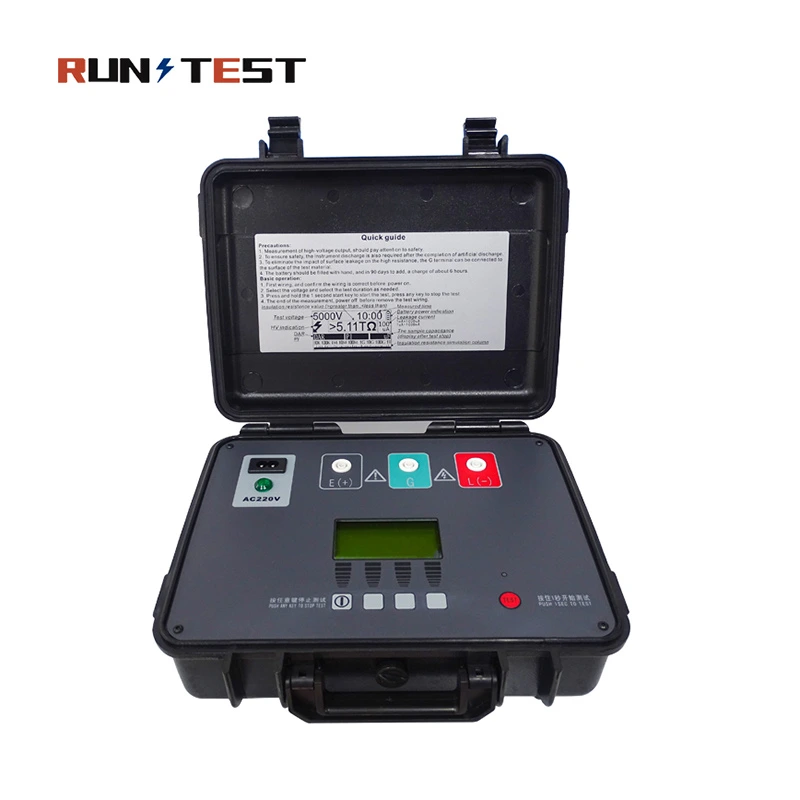
A resistance test in electrical testing is used to measure the resistance of various electrical components, cables, or systems. Resistance Tester helps ensure that electrical systems and equipment function properly by checking the level of resistance in a circuit, conductor, or insulation. Resistance testing is crucial for verifying that equipment and wiring will operate safely and efficiently without excess heat generation, energy loss, or potential faults.

At RUN TEST, we offer a complete range of electrical resistance testers for power utilities, industrial plants, electrical maintenance teams, laboratories, and field testing applications. Our product range includes high-voltage insulation resistance testers, earth resistance testers, ground resistance meters, and soil resistivity test equipment designed for accurate, stable, and efficient electrical diagnostics.

1Page 1 / 1

Resistance Testers for Different Electrical Testing Applications

Electrical systems require different types of resistance detection tests depending on the equipment, voltage level, and maintenance objective. A single multimeter is often not enough for high-voltage insulation evaluation, grounding verification, or field safety inspections. That is why dedicated resistance tester solutions are widely used in substations, manufacturing facilities, utility maintenance, renewable energy systems, and lab resistance tests where reliable data is critical.

Our resistance test product range supports applications such as:

  • Insulation resistance testing for cables, motors, transformers, switchgear, and power equipment
  • Earth ground resistance testing for grounding systems and lightning protection verification
  • Soil resistivity testing for grounding design and site assessment
  • Electrical resistance tests during commissioning, preventive maintenance, troubleshooting, and safety inspections
  • Resistance detection tests for lab environments and industrial quality control procedures

Types of Resistance Tests in Electrical Testing:

Insulation Resistance Test:

Purpose: Measures the resistance of the insulation surrounding conductors to ensure it is high enough to prevent leakage currents.

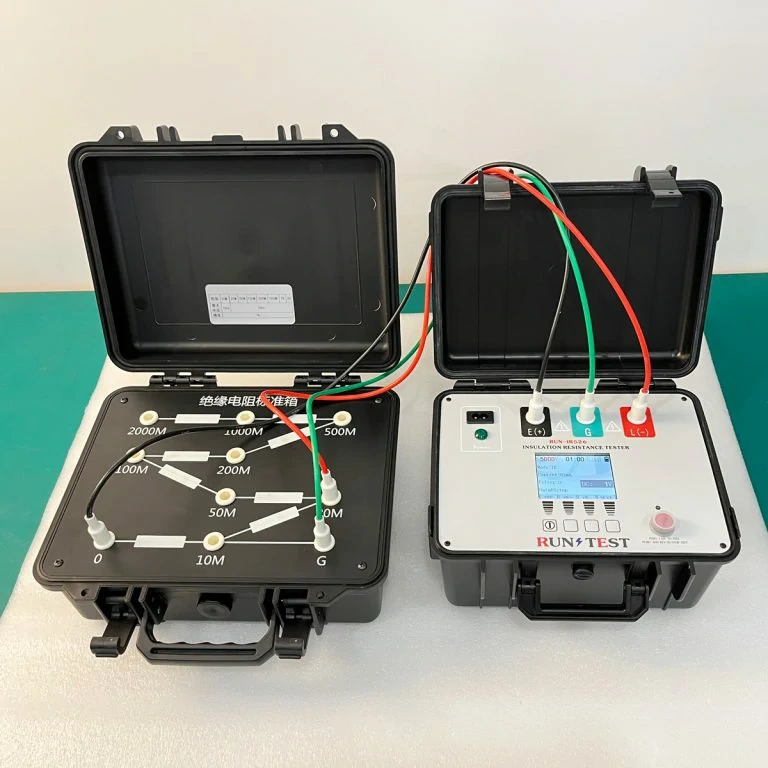
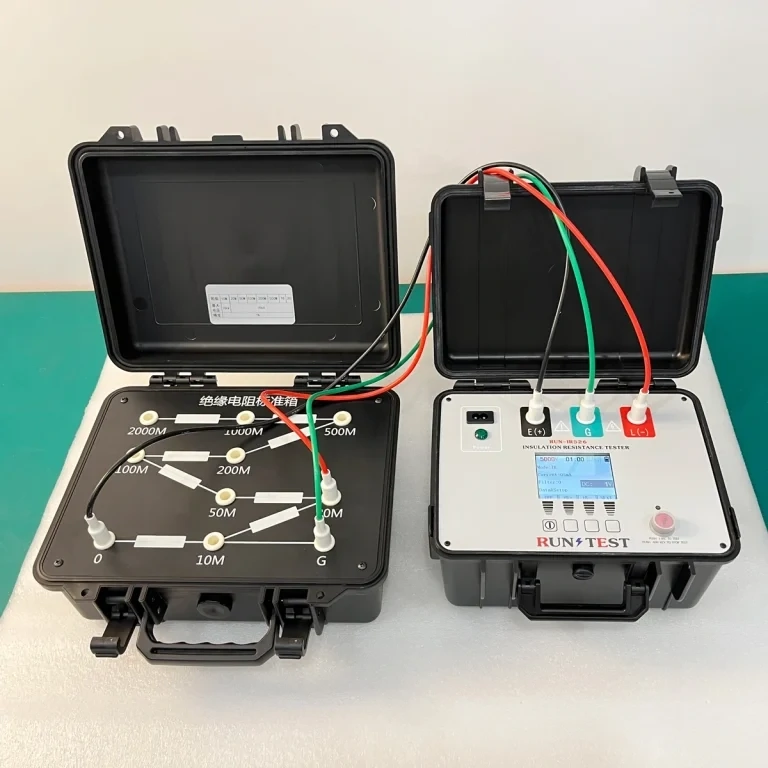
Insulation resistance testing is one of the most common electrical resistance tests used in power systems and industrial maintenance. It helps detect insulation aging, moisture contamination, dirt buildup, and potential breakdown paths in motors, transformers, cables, switchboards, and high-voltage equipment. A high-quality electrical resistance tester with 5kV, 10kV, 15kV, or 20kV output is ideal for testing medium- and high-voltage assets where insulation integrity is critical.

Earth Ground Resistance Test:

Purpose: Determines the resistance of the grounding system, ensuring that electrical faults can be safely dissipated into the earth.

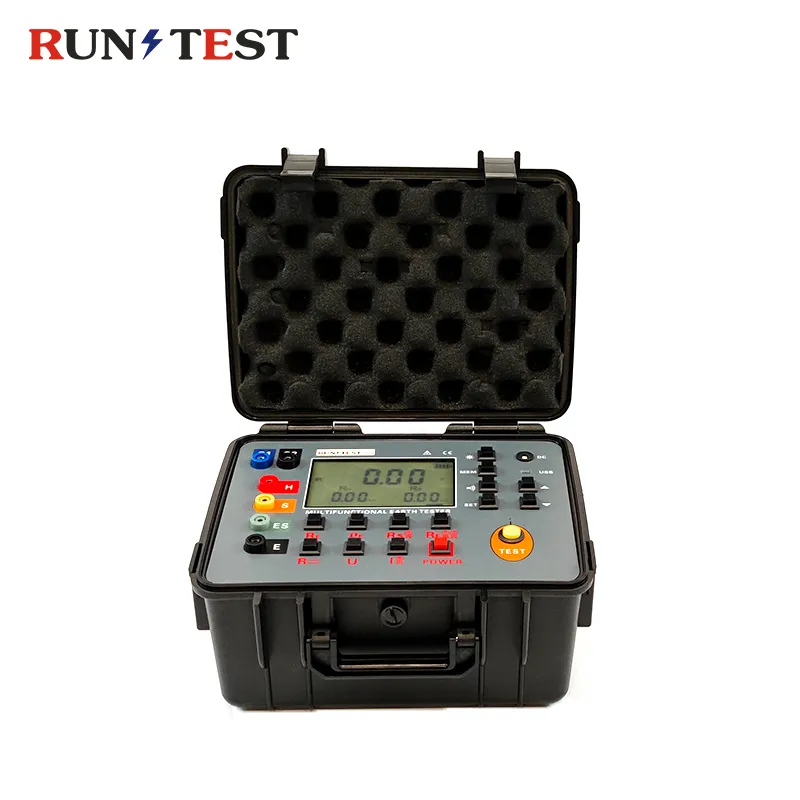
Ground resistance testing is essential for substations, industrial electrical systems, communication sites, and lightning protection systems. By using a dedicated resistance meter or earth resistance tester, technicians can verify whether the grounding network provides a safe discharge path during faults, surges, or equipment failures.

Soil Resistivity Test

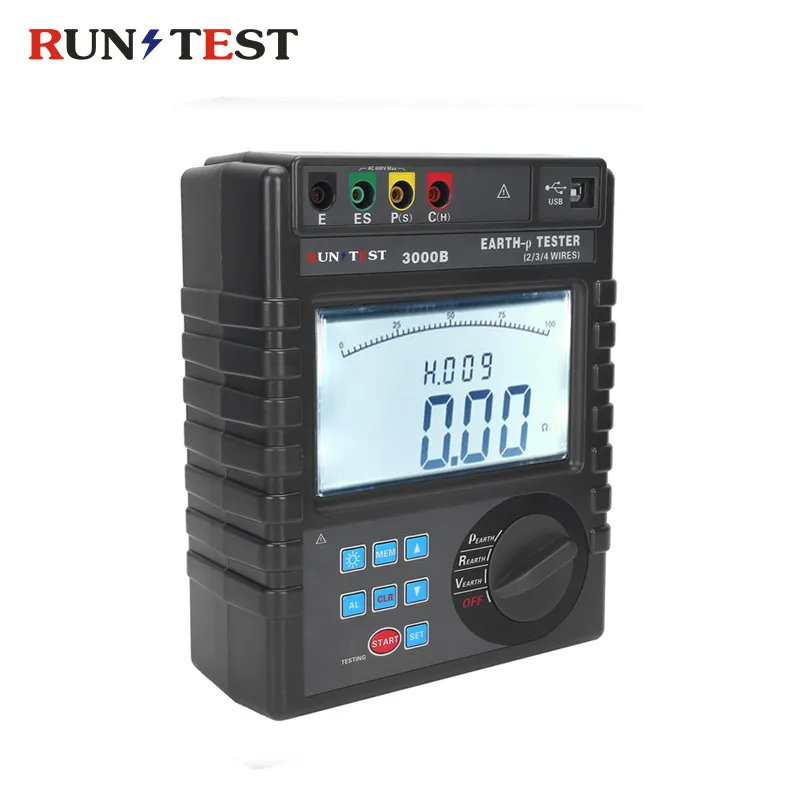
Soil resistivity testing is used to evaluate ground conditions before designing or upgrading an earthing system. It helps engineers determine the most effective grounding structure for substations, solar plants, transmission sites, and industrial facilities. For this application, a specialized earth resistance testing set or soil resistivity meter is often required.

Resistance Test Applications and Recommended Testers

Resistance Test Type Main Purpose Typical Test Objects Recommended Resistance Tester
Insulation Resistance Test Check insulation condition and prevent leakage current Cables, transformers, motors, switchgear, generators 5kV / 10kV / 15kV / 20kV insulation resistance tester
Earth Ground Resistance Test Verify grounding performance and electrical safety Grounding grids, substations, towers, industrial electrical systems Digital earth resistance tester, clamp-on ground resistance tester
Soil Resistivity Test Assess soil condition for grounding design Substations, solar plants, telecom sites, power projects Earth resistance testing set, soil resistivity meter
General Electrical Resistance Tests Inspect resistance values during maintenance and troubleshooting Conductors, electrical connections, selected equipment circuits Electrical resistance tester, multifunction resistance meter
Resistance Detection Tests for Lab Use Support research, validation, and controlled test procedures Lab samples, electrical components, insulation materials Precision resistance meter or application-specific tester
The insolation testing is very important for electrical repair and safety. Whether you want to see that you have been placed properly, check that the grounding is right, or confirm that electrical connections are working correctly, these tests through exposed issues that prevent an accident or abolish the decision to continue performing the function that has been determined. Every electrical maintenance schedule should be followed by regular resistance check-ups to be sure they are safe and efficient.

Featured Resistance Tester Products

RUN TEST supplies a range of resistance testers for insulation, grounding, and field diagnostic work. Our main products in this category include:

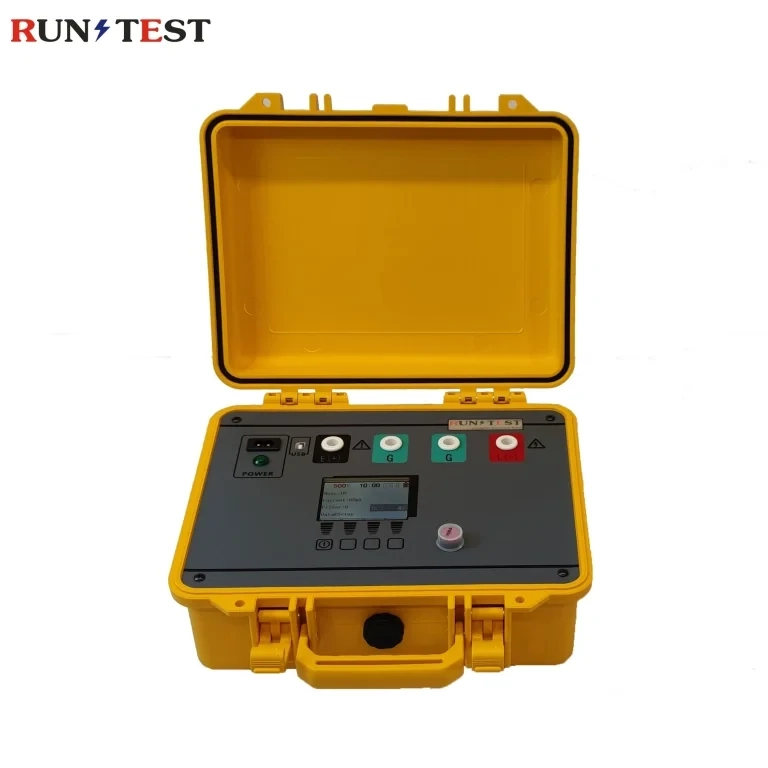
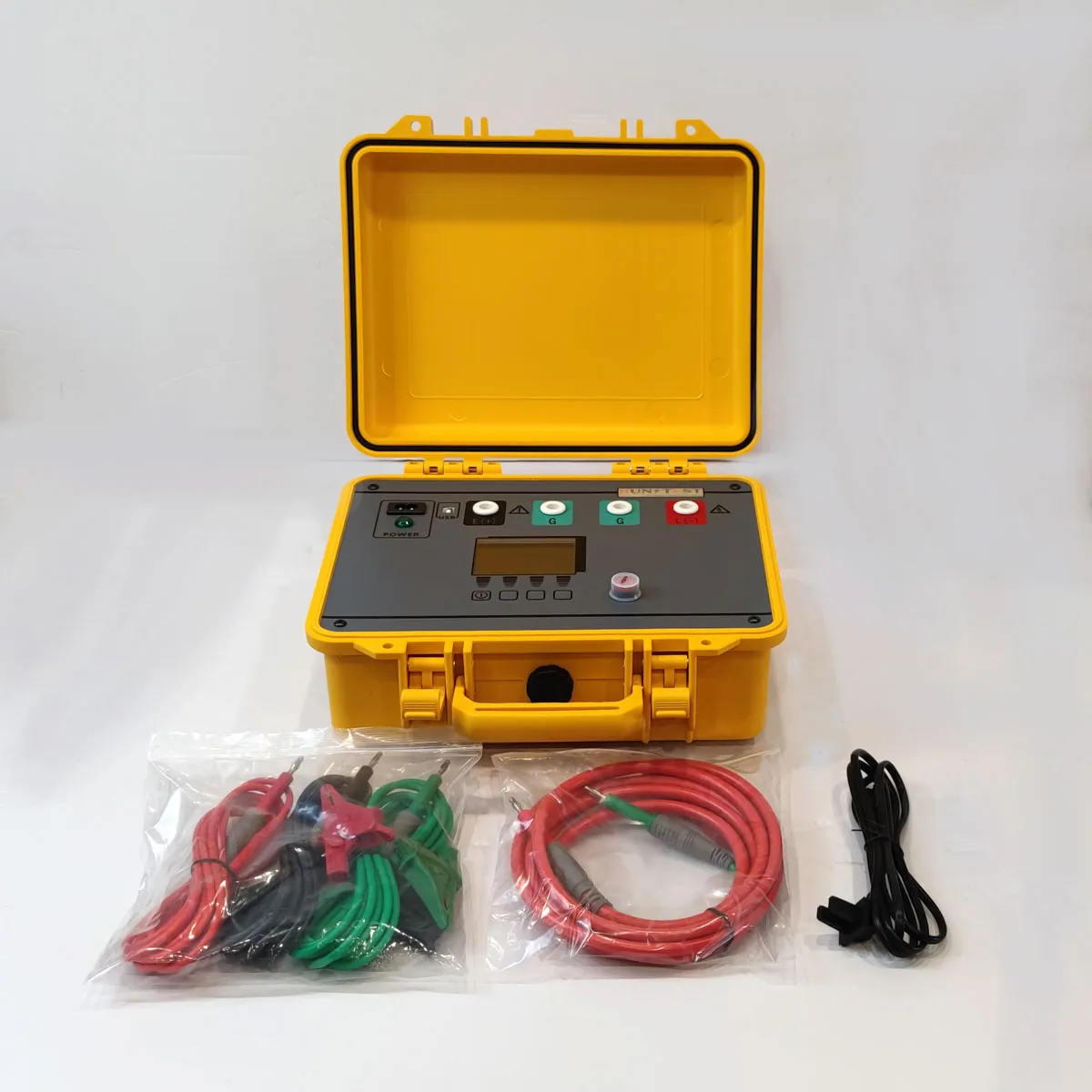
  • 5kV High Voltage Insulation Resistance Tester
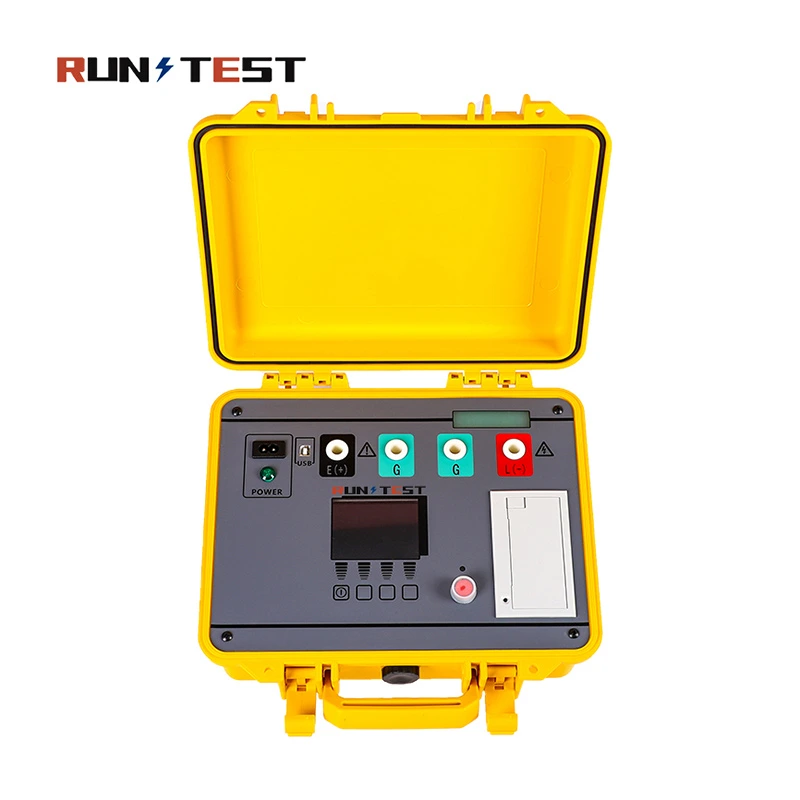
  • 10kV Insulation Resistance Tester with Printer
  • Digital Multifunctional Earth Resistance Tester
  • Earth Resistance Testing Set / Soil Resistivity Meter
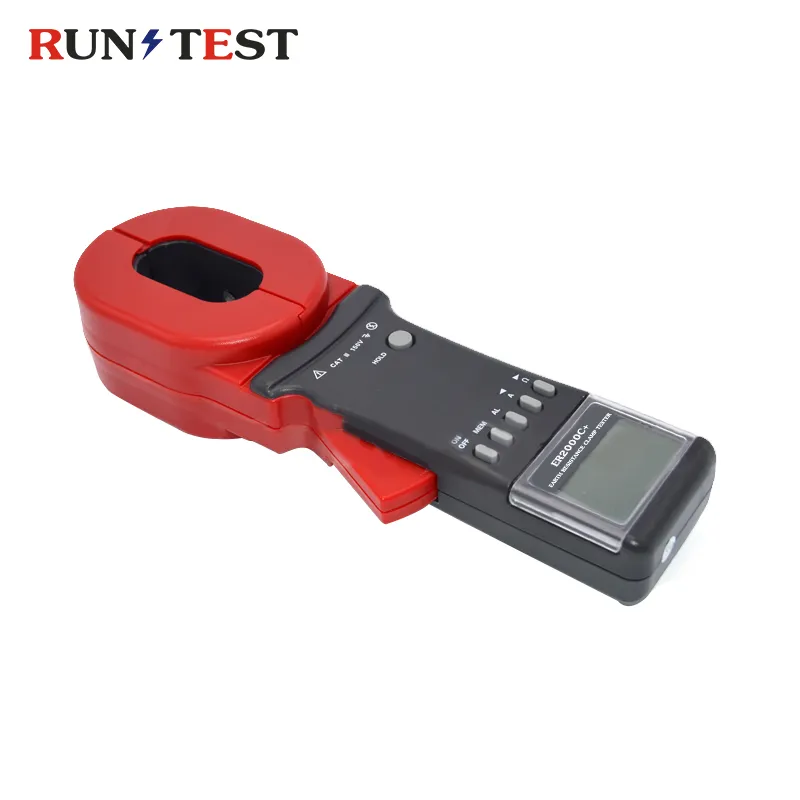
  • Clamp-on Ground Resistance Tester / Earth Resistance Meter
  • 15kV Intelligent High-Voltage Insulation Resistance Tester
  • 10kV High Voltage Digital Insulation Resistance Tester
  • 20kV Insulation Resistance Tester
  • 5kV Digital High Voltage Insulation Resistance Measuring Instrument Tester

These instruments are suitable for electrical maintenance contractors, utility engineers, industrial testing teams, commissioning specialists, and laboratories that need dependable resistance detection tests and accurate resistance measurement results.

Compare Our Resistance Tester Options

Product Type Test Voltage Main Function Typical Application
5kV Insulation Resistance Tester 5kV Insulation resistance measurement Cable and motor testing
10kV Insulation Resistance Tester 10kV High-voltage insulation diagnostics Transformer and substation maintenance
15kV Insulation Resistance Tester 15kV Advanced insulation testing Utility and industrial high-voltage systems
20kV Insulation Resistance Tester 20kV Extra-high insulation testing Large power equipment and critical assets
Earth Resistance Tester Low-voltage test method Grounding resistance measurement Grounding system inspection
Soil Resistivity Meter Based on ground testing method Soil resistivity evaluation Grounding design and engineering projects

How to Choose the Right Resistance Tester

The right resistance meter depends on the type of equipment you test and the measurement task you need to perform. Some applications focus on insulation integrity, while others require accurate grounding verification or site-level soil analysis.

If You Need To… Recommended Instrument Why It Fits
Test insulation in motors, transformers, cables, and switchgear Insulation resistance tester Suitable for high-voltage insulation diagnostics and leakage analysis
Perform 5kV, 10kV, 15kV, or 20kV insulation testing High-voltage insulation resistance tester Designed for medium- and high-voltage electrical equipment
Verify grounding systems in substations or industrial facilities Earth resistance tester Measures grounding resistance and helps confirm fault discharge capability
Carry out quick grounding checks without disconnecting the system Clamp-on ground resistance tester Convenient for field testing and routine maintenance
Evaluate soil conditions before grounding system installation Soil resistivity meter / earth resistance testing set Helps design more effective earthing systems
Run resistance detection tests for my lab or research applications Precision resistance meter or application-specific tester Better suited for controlled measurements, repeatability, and data analysis

Why Resistance Testing Is Important

Resistance testing is essential for electrical maintenance and safety. Whether you need to verify insulation integrity, confirm proper grounding, or check the condition of electrical connections, regular resistance tests can reveal hidden issues before they lead to accidents, downtime, or equipment failure.

Routine testing helps users:

  • detect insulation deterioration before breakdown occurs
  • identify grounding issues that may compromise safety
  • reduce the risk of overheating, leakage current, and energy loss
  • improve maintenance efficiency and troubleshooting speed
  • support safe operation of cables, transformers, motors, switchgear, and industrial power systems

For utilities, industrial facilities, testing laboratories, and electrical service providers, a dependable resistance meter is an essential tool in any maintenance program.

Resistance Tester Supplier for Utility, Industrial, and Lab Applications

As a professional manufacturer and supplier of electrical test equipment, RUN TEST provides resistance testing solutions for a wide range of industries, including:

  • power utilities and substations
  • transformer and motor maintenance
  • industrial manufacturing plants
  • electrical contractors and commissioning teams
  • laboratories and research facilities
  • renewable energy and infrastructure projects

Whether you need a portable resistance meter for field work or a high-voltage resistance tester for insulation diagnostics, we can support your application with reliable test equipment and technical assistance.

Looking for the right resistance tester for insulation testing, earth resistance measurement, or laboratory resistance detection tests? Contact RUN TEST for product recommendations, technical specifications, and quotation support for your electrical testing projects.

FAQ

What is a resistance tester used for?

A resistance tester is used to measure electrical resistance in circuits, insulation systems, grounding networks, and electrical equipment. It helps identify faults such as insulation degradation, poor grounding, leakage paths, and unstable electrical connections.

What is the difference between an insulation resistance tester and an earth type?

An insulation resistance tester measures the condition of insulation in cables, motors, and transformers, while an earth resistance tester checks the effectiveness of grounding systems and earth connections.

Which resistance tester is suitable for resistance detection tests for my lab?

The right tester depends on the test object, voltage level, and measurement range. For laboratory use, a precision resistance meter or a dedicated insulation or earth resistance tester may be required depending on the application.

Do you provide high-voltage resistance testers such as 5kV, 10kV, and 20kV models?

Yes. RUN TEST offers high-voltage insulation resistance testers including 5kV, 10kV, 15kV, and 20kV models for industrial maintenance, utility testing, and electrical diagnostics.