
ข่าวบริษัท
-

AC/DC Voltage Measurement Accuracy: True RMS vs. Average-Responding Sensing in Industrial Testing – 2026 Ultimate Guide for Procurement Professionals
อ่านเพิ่มเติมThe reliability of electrical infrastructure depends heavily on the accuracy and durability of test equipment. For engineers and technicians operating in South America, Russia, Southeast Asia, the Middle East, and South Africa, selecting the right electric test equipment manufacturer is not a simple procurement task — it is a strategic decision that impacts safety, compliance, […]
-
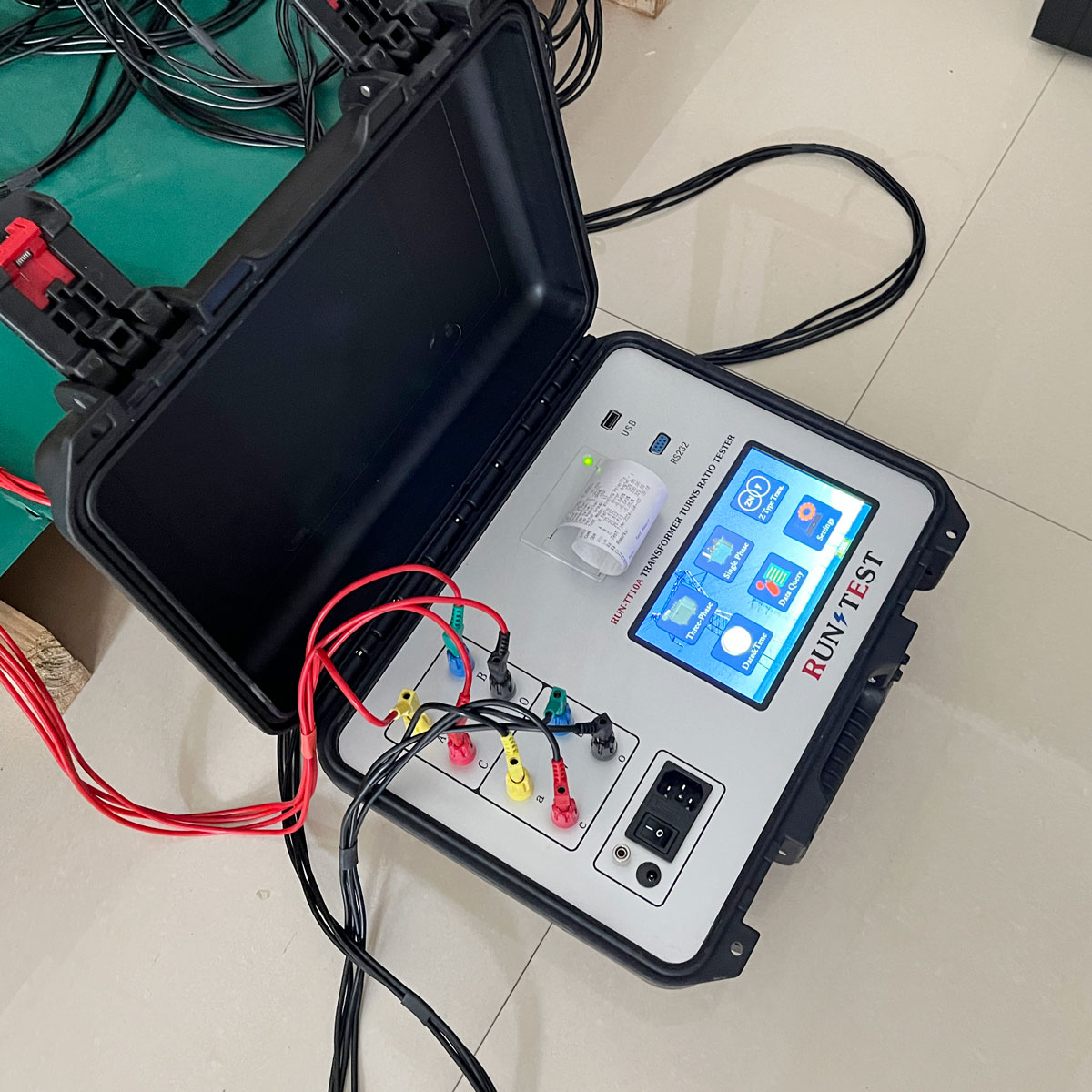
เครื่องตรวจวัดแรงดันแบบไม่สัมผัส (NCV) เทียบกับเครื่องทดสอบแรงดันสองขั้ว: การทดสอบเฟสและการลดผลบวกเท็จ – คู่มือฉบับสมบูรณ์สำหรับปี 2026
อ่านเพิ่มเติมWhat Is a Non-Contact Voltage (NCV) Detector and How Does It Work? Understanding the Technology: Capacitive Coupling and Electromagnetic Fields A non-contact voltage (NCV) detector, often called a voltage pen or tick tracer, senses the presence of alternating current (AC) voltage without needing metallic contact with the conductor. The core principle relies on capacitive coupling […]
-
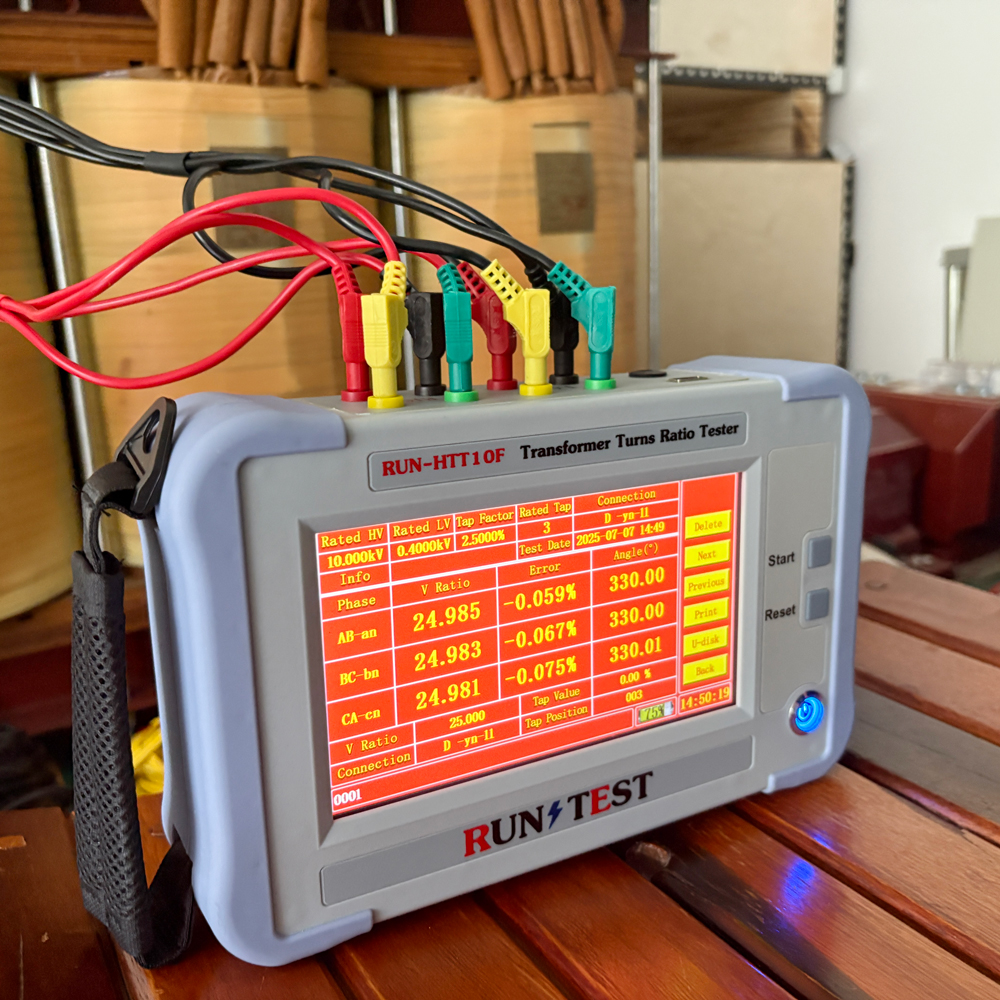
วิธีวัดความต้านทานในสายไฟ: คู่มือครบถ้วนปี 2026 สำหรับผู้เชี่ยวชาญด้านการทดสอบไฟฟ้าและผู้ซื้อ
อ่านเพิ่มเติมWhat Does 'Resistance in a Wire' Mean? In the simplest terms, resistance in a wire refers to the opposition that the conductive material presents to the flow of electric current. Every wire, whether it is a tiny copper trace on a printed circuit board or a massive aluminum conductor strung across transmission towers, has a […]
-
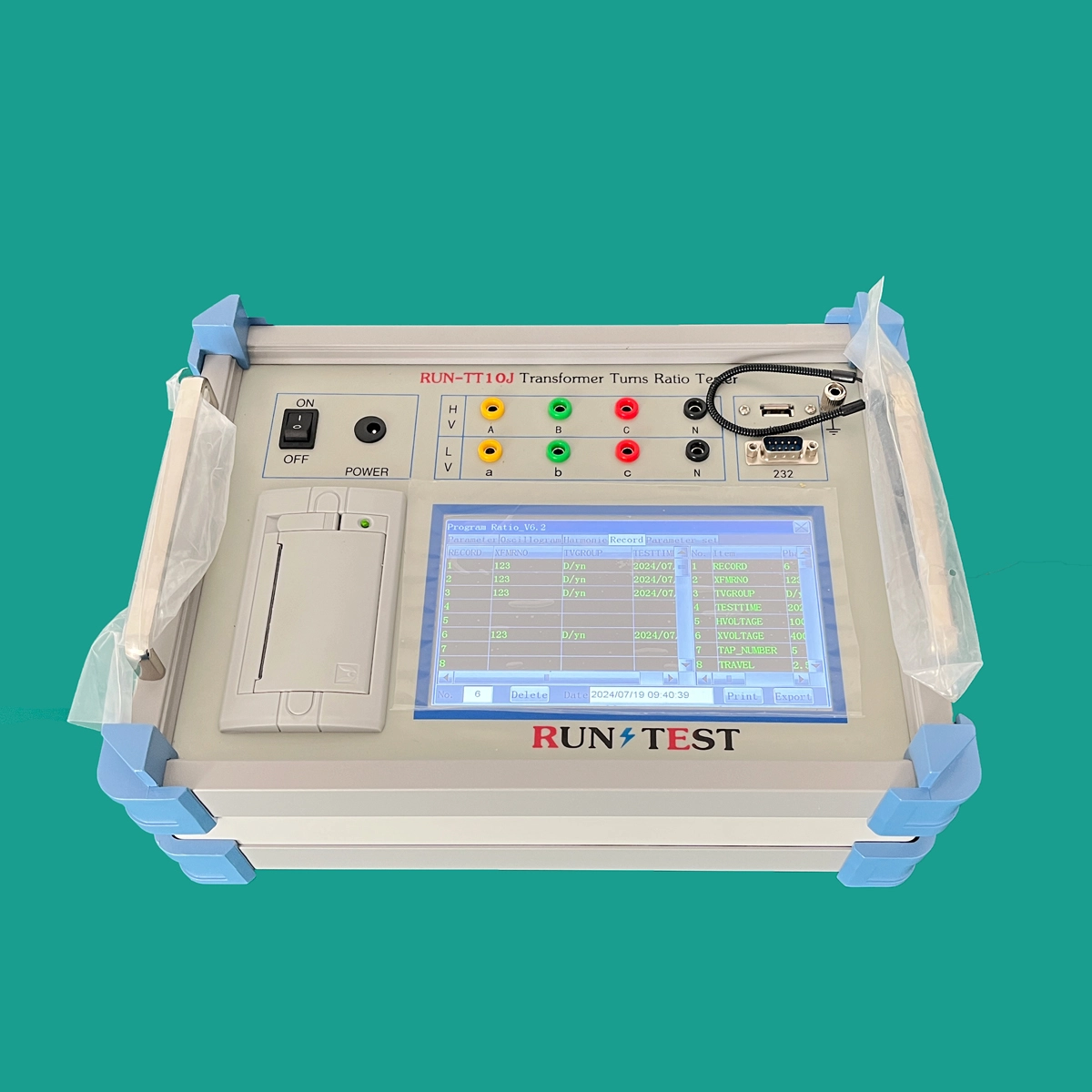
ระดับความปลอดภัย CAT III กับ CAT IV สำหรับเครื่องวัดความตึงไฟฟ้า: มาตรฐานการฉนวนและการป้องกันความตึงไฟฟ้าชั่วขณะ – คู่มือปฏิบัติปี 2026 สำหรับผู้ซื้ออุปกรณ์ทดสอบอุตสาหกรรม
อ่านเพิ่มเติมHow Do CAT III and CAT IV Safety Ratings Differ for Voltage Testers? If you work with electrical systems in industrial or utility environments, you have likely seen CAT III and CAT IV symbols on your voltage testers. These ratings, derived from the IEC 61010-1 international standard, are not interchangeable. They define the maximum transient […]