
การทดสอบการป้องกันรีเลย์
Voltage ออกแบบและผลิตชุดเครื่องทดสอบระบบป้องกันรีเลย์ระดับอุตสาหกรรม ซึ่งได้รับการพัฒนาขึ้นเพื่อใช้งานในสภาพแวดล้อมระบบไฟฟ้าที่มีข้อกำหนดสูงที่สุด ชุดเครื่องทดสอบการฉีดสัญญาณทุติยภูมิแบบสามเฟสและแบบหกเฟสขั้นสูง ซึ่งเป็นผลิตภัณฑ์หลักของเรา ผสานความสะดวกในการพกพาไปใช้งานในสนามที่ทนทานกับความแม่นยำระดับห้องปฏิบัติการ เพื่อมอบประสิทธิภาพการทดสอบที่ไม่มีใครเทียบได้
จุดขายหลักและจุดเด่นของผลิตภัณฑ์:
-
เครื่องขยายสัญญาณเชิงเส้นความแม่นยำสูง: ติดตั้งด้วยเครื่องขยายกำลังแบบเชิงเส้นที่มีคุณภาพสูงและทำงานอย่างอิสระ เพื่อรับประกันว่าสัญญาณกระแสและแรงดันที่ส่งออกมีความบริสุทธิ์และไม่มีความผิดเพี้ยน แม้ในระหว่างการทดสอบโหลดสูงสุด
-
แพลตฟอร์มซอฟต์แวร์อัตโนมัติอย่างเต็มตัว: ซอฟต์แวร์ทดสอบอัจฉริยะที่ติดตั้งมาพร้อมระบบ Windows ช่วยให้สามารถจำลองข้อผิดพลาดได้ด้วยการคลิกเพียงครั้งเดียว ดำเนินการลำดับสถานะแบบอัตโนมัติ และสร้างรายงานการทดสอบในรูปแบบ Excel/PDF ได้ทันที
-
ความพร้อมสำหรับระบบกริดอัจฉริยะตามมาตรฐาน IEC 61850: เครื่องทดสอบ 6 เฟสของเราสนับสนุนการทดสอบสถานีไฟฟ้าย่อยแบบดิจิทัลอย่างครบถ้วน รวมถึงการเผยแพร่/รับสมัครข้อความ GOOSE ความเร็วสูง และการส่งออกค่าตัวอย่าง (SV)
-
การซิงโครไนซ์แบบสองทาง GPS/IRIG-B: สนับสนุนการซิงโครไนซ์เวลาผ่านดาวเทียมที่มีความแม่นยำสูง สำหรับการทดสอบระบบป้องกันความแตกต่างของสายแบบ end-to-end (E2E) ที่ซับซ้อนในระยะทางไกล
-
ความน่าเชื่อถือของอุปกรณ์ระดับอุตสาหกรรม: มาพร้อมคอมพิวเตอร์อุตสาหกรรมในตัวที่มีหน้าจอสีขนาดใหญ่ ตัวเครื่องที่เสริมความทนทานต่อการกระแทก และระบบป้องกันความร้อนเกินแบบอัจฉริยะ เพื่อการใช้งานในสนามได้อย่างเชื่อถือได้
ติดต่อวิศวกรของเราวันนี้เพื่อรับราคาจากโรงงานโดยตรงและเอกสารข้อมูลทางเทคนิคที่ละเอียด!
-
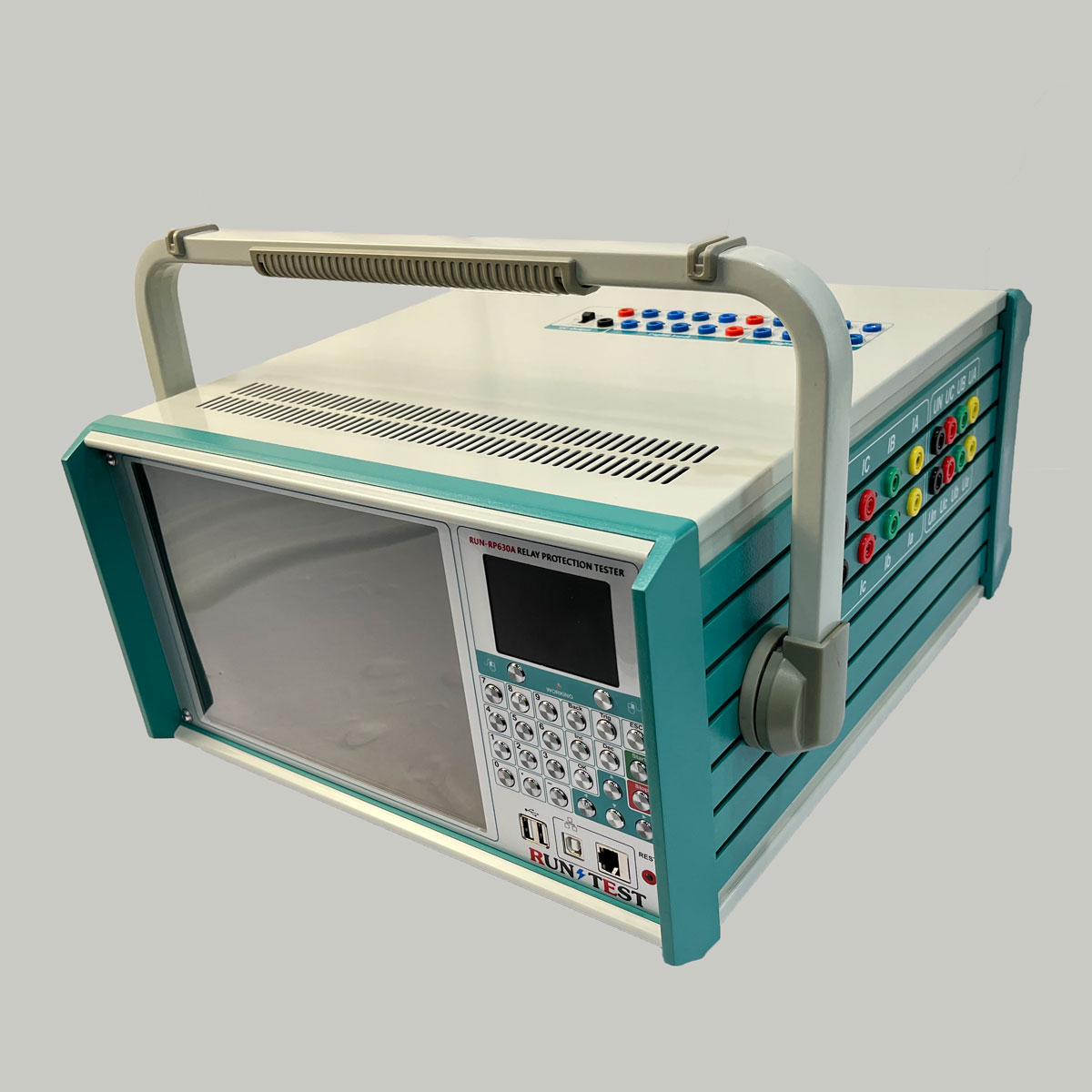
เครื่องทดสอบรีเลย์ป้องกันฉีดเชื้อรองแบบหกเฟส
-
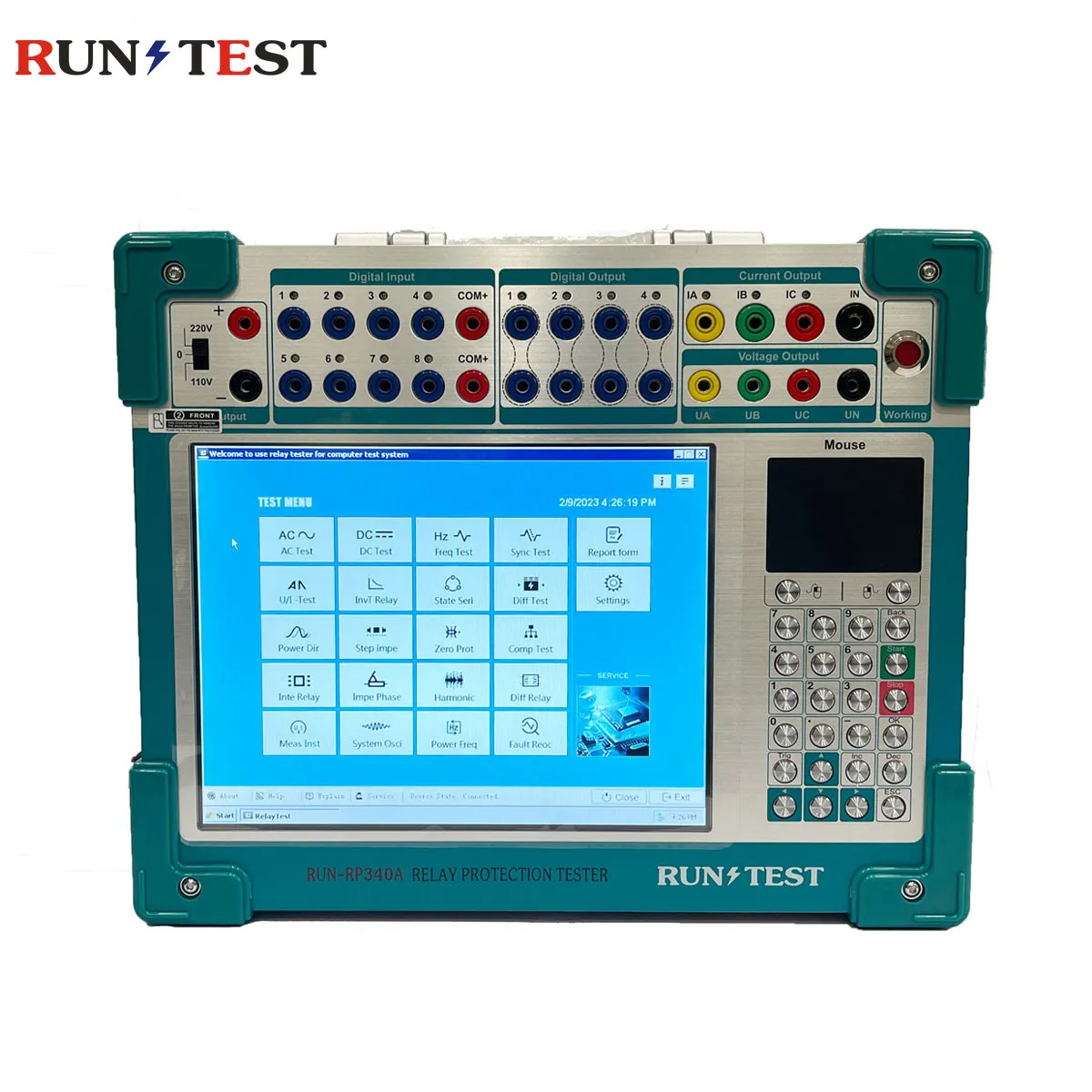
เครื่องทดสอบรีเลย์ป้องกันไมโครคอมพิวเตอร์สำหรับการฉีดเสริม 3 เฟส 40A
-
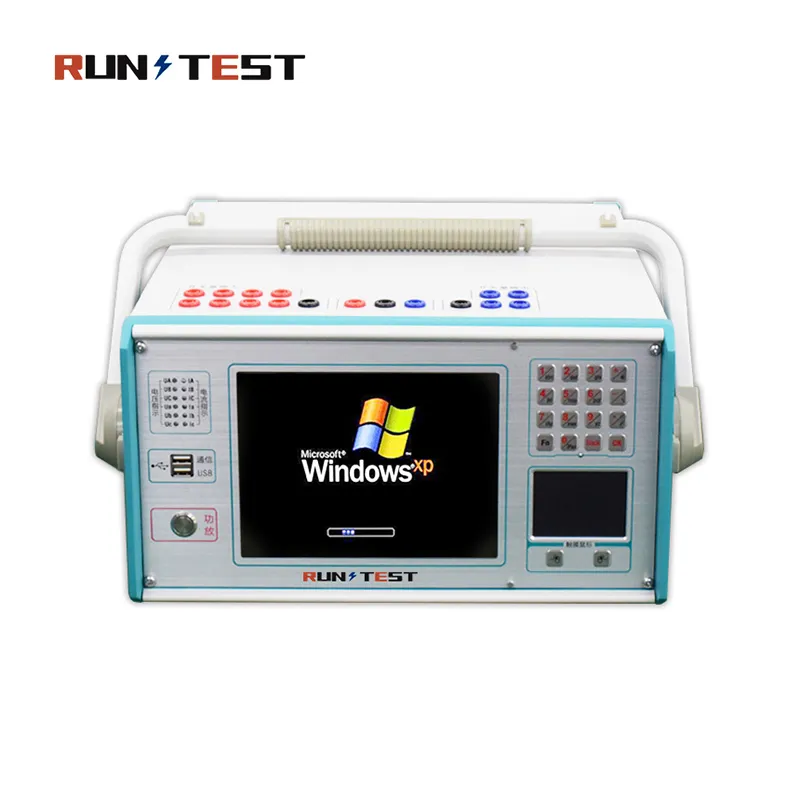
เครื่องมือทดสอบการป้องกันรีเลย์สำหรับใบรับรอง CE เครื่องทดสอบการป้องกันรีเลย์ไมโครคอมพิวเตอร์
-
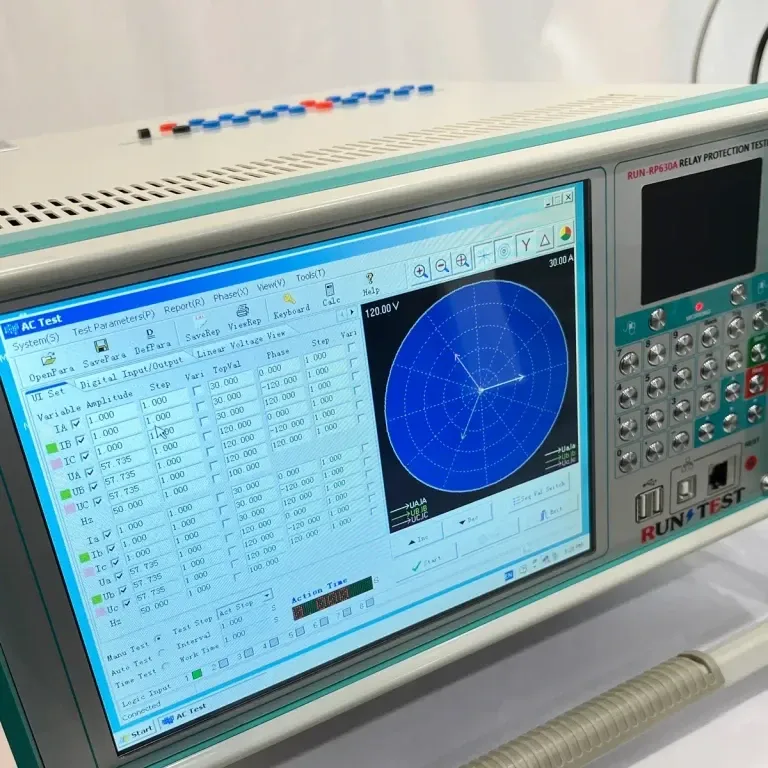
เครื่องทดสอบการป้องกันรีเลย์ 6 เฟสใหม่
-
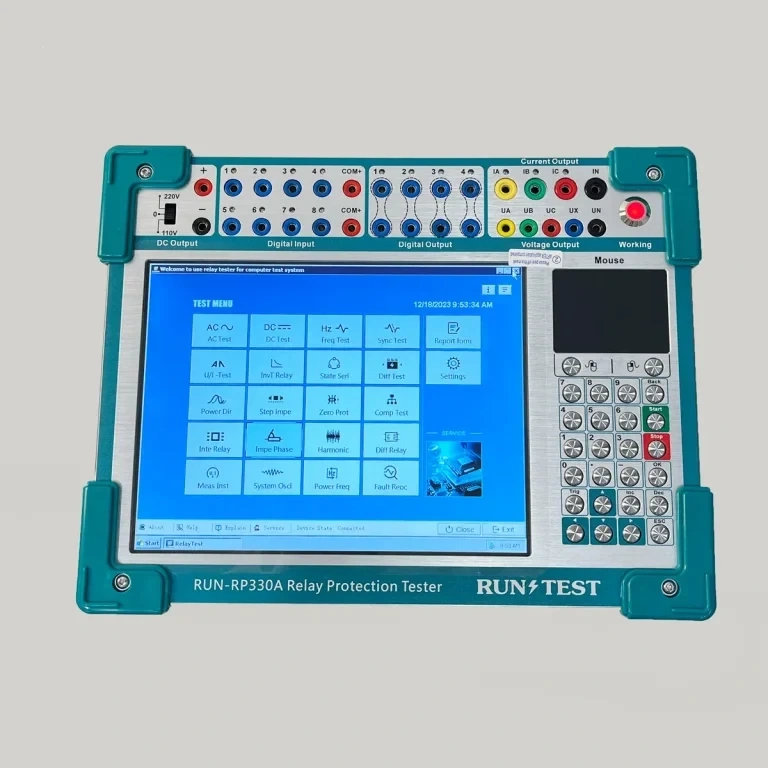
ชุดทดสอบการป้องกันรีเลย์ 3 เฟส
-
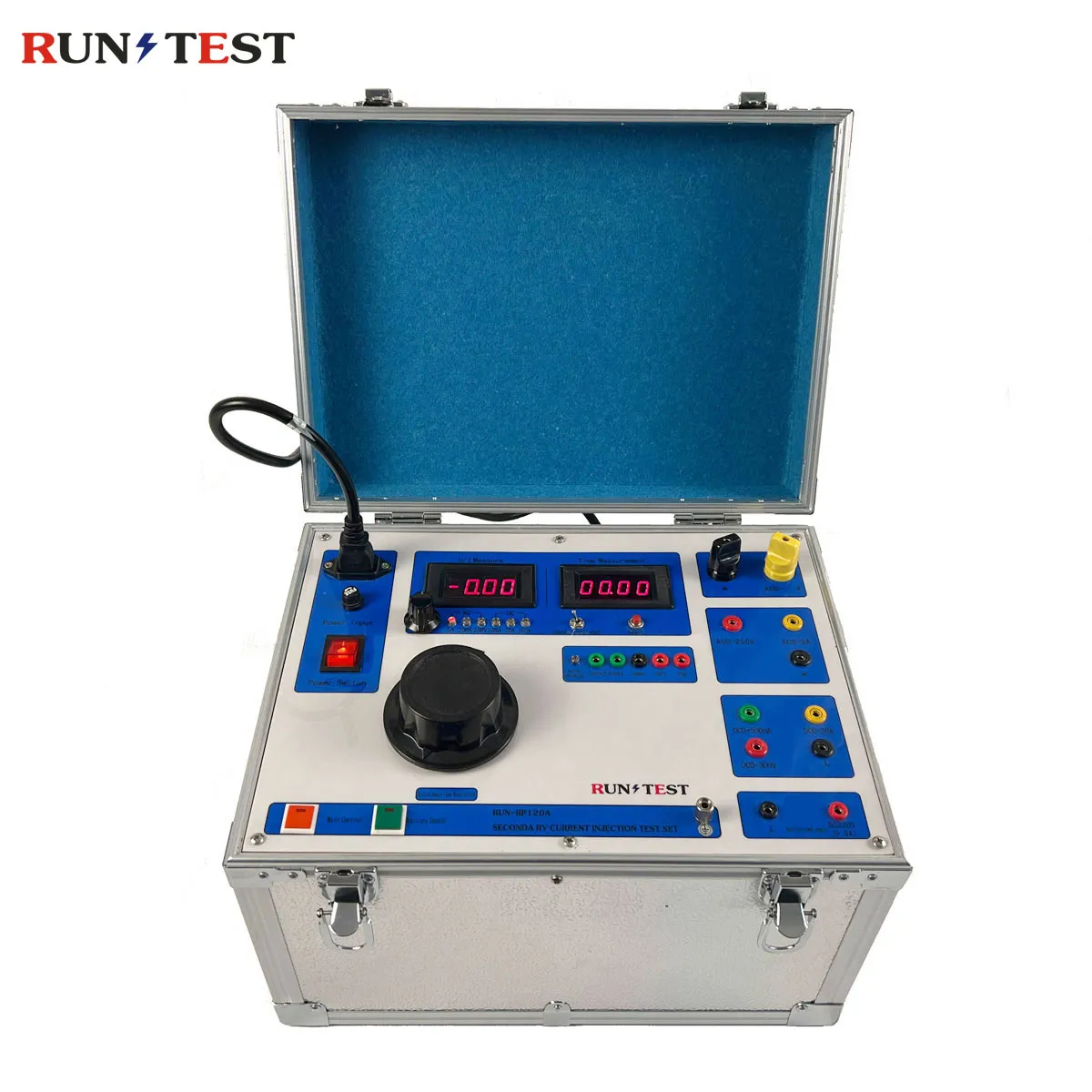
เครื่องทดสอบการป้องกันรีเลย์เฟสเดียว
-
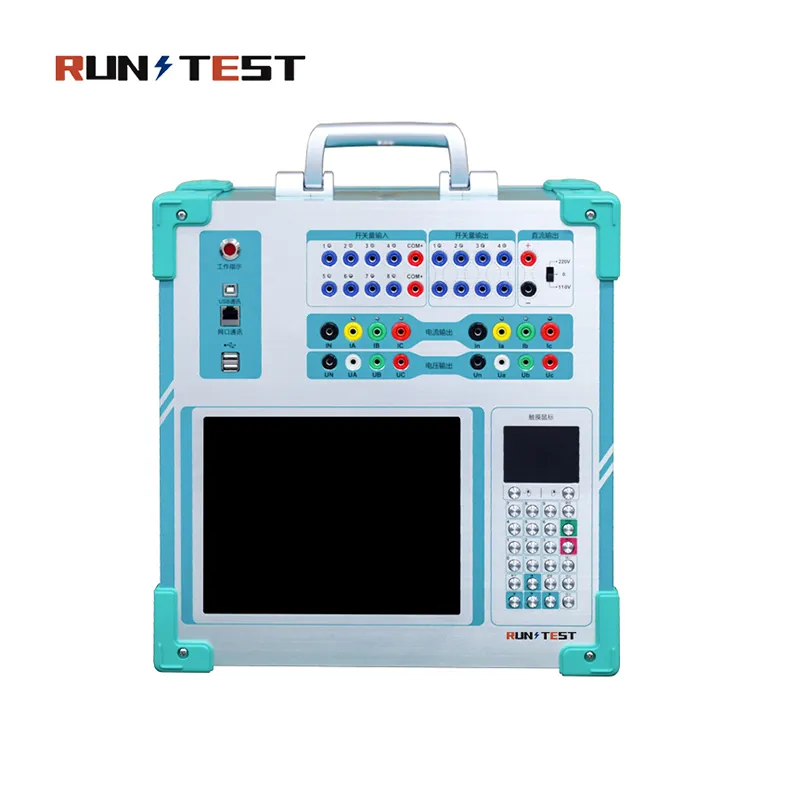
เครื่องทดสอบการป้องกันรีเลย์สำหรับสินค้าใหม่ ไมโครคอมพิวเตอร์ทดสอบรีเลย์
-
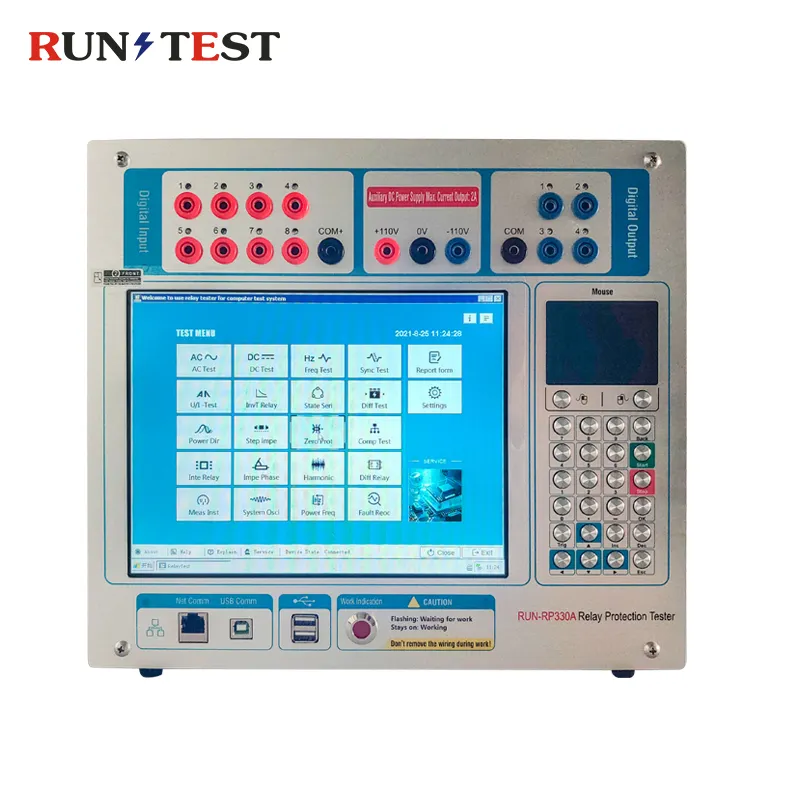
เครื่องทดสอบรีเลย์ป้องกันสามเฟส รีเลย์ฉีดกระแสทุติยภูมิ เครื่องทดสอบระบบป้องกัน
เครื่องทดสอบระบบป้องกันรีเลย์คืออะไร?
เอ เครื่องทดสอบระบบป้องกันรีเลย์ ได้รับการออกแบบมาเพื่อตรวจสอบประสิทธิภาพ ความแม่นยำ และความน่าเชื่อถือของรีเลย์ป้องกันที่ใช้ในระบบไฟฟ้า ผลิตภัณฑ์ขั้นสูงของเราประกอบด้วยเครื่องทดสอบรีเลย์แบบเฟสเดียว เฟสสาม และเฟสหก ซึ่งได้รับการออกแบบมาเพื่อใช้ในขั้นตอนการรับมอบระบบ การบำรุงรักษาตามปกติ และการแก้ไขปัญหาในสภาพแวดล้อมแรงดันสูง
ในฐานะบริษัทชั้นนำ เครื่องทดสอบรีเลย์ป้องกัน ในฐานะผู้ผลิต อุปกรณ์ของเราสามารถจำลองแรงดัน กระแส ความถี่ และสภาพความผิดปกติที่ซับซ้อนได้อย่างแม่นยำ เพื่อประเมินการทำงานของรีเลย์ในสถานการณ์จริง อุปกรณ์ระดับมืออาชีพนี้ เครื่องทดสอบรีเลย์ฉีดเชื้อเพลิงขั้นที่สอง ซีรีส์นี้ช่วยรับประกันความปลอดภัยและความเสถียรของระบบโครงข่ายไฟฟ้าทั่วโลก
ของเรา เครื่องทดสอบรีเลย์ ระบบเหล่านี้ถูกใช้อย่างแพร่หลายโดย:
-
บริษัทไฟฟ้าและบริษัทเครือข่ายไฟฟ้า
-
สถานีไฟฟ้าย่อย (GIS และแบบดั้งเดิม)
-
ผู้ผลิตเครื่องแปลงแรงดันและอุปกรณ์สวิตช์เกียร์
-
โรงงานอุตสาหกรรมและโรงงานผลิตขนาดใหญ่
-
โครงการพลังงานหมุนเวียน (ลมและแสงอาทิตย์)
-
ห้องปฏิบัติการทดสอบและสอบเทียบทางไฟฟ้า
ไม่ว่าคุณจะต้องการแบบที่น้ำหนักเบา เครื่องทดสอบรีเลย์แบบพกพา สำหรับบริการภาคสนาม หรือระดับขั้นสูง เครื่องทดสอบรีเลย์สำหรับไมโครคอมพิวเตอร์ สำหรับระบบการป้องกันที่ซับซ้อน เราให้บริการโซลูชันที่เชื่อถือได้และใช้ไมโครโปรเซสเซอร์เป็นพื้นฐาน สำหรับระบบสมัยใหม่ การทดสอบระบบไฟฟ้า.
การทดสอบการป้องกันรีเลย์: คุณสมบัติหลักและการทดสอบ
1. การจำลองข้อผิดพลาด
2. การทดสอบหลายขั้นตอน
3. ความถูกต้องและความแม่นยำ
4. การทดสอบประเภทรีเลย์ต่าง ๆ
5. การอัตโนมัติ
ประเภทการตรวจที่ดำเนินการ
1. การทดสอบการทำงาน
2. การทดสอบเวลา
3. การทดสอบความทนทาน
4. การทดสอบความประสานงาน
5. การทดสอบความแม่นยำ
ประเภทของเครื่องทดสอบรีเลย์ป้องกันที่เรามีให้บริการ
เครื่องทดสอบรีเลย์ป้องกันสามเฟส
ของเรา เครื่องทดสอบรีเลย์ป้องกันสามเฟส เป็นมาตรฐานอุตสาหกรรมสำหรับการทดสอบการฉีดกระแสทุติยภูมิอย่างครบถ้วนในระบบไฟฟ้าและสถานีไฟฟ้าย่อย ได้รับการออกแบบให้มีความสามารถในการสร้างสัญญาณแรงดัน 4 เฟส และกระแสไฟฟ้า 3 เฟส ซึ่งให้รูปคลื่นที่มีความแม่นยำสูงโดยไม่มีการบิดเบือน ทำให้เป็นเครื่องมือที่มีความหลากหลายและคุ้มค่าที่สุดสำหรับการบำรุงรักษาเครือข่ายไฟฟ้าอย่างสม่ำเสมอ
-
ความสามารถหลัก: สามารถทดสอบรีเลย์ประเภทต่าง ๆ ได้อย่างง่ายดาย ทั้งรีเลย์รุ่นใหม่และรุ่นเก่า รวมถึงรีเลย์ป้องกันระยะทาง รีเลย์ป้องกันกระแสเกิน รีเลย์ทิศทาง รีเลย์ป้องกันความถี่ต่ำ/สูง รีเลย์เวลาผกผัน และระบบปิดวงจรอัตโนมัติ
-
จุดแข็งหลัก: มาพร้อมหน้าจอสีขนาดใหญ่แบบบูรณาการและคอมพิวเตอร์อุตสาหกรรมในตัว ทำให้วิศวกรสามารถดำเนินการทดสอบแบบอัตโนมัติอย่างเต็มรูปแบบ ณ สถานที่จริงได้ โดยไม่จำเป็นต้องใช้แล็ปท็อปภายนอก นอกจากนี้ยังมาพร้อมระบบป้องกันการโอเวอร์โหลดที่แข็งแกร่งและระบบจัดการความร้อนอัจฉริยะ
-
การอัตโนมัติด้วยซอฟต์แวร์: สนับสนุนโมดูลการทดสอบอัตโนมัติขั้นสูง การทดสอบลำดับสถานะ และการสร้างรายงานการทดสอบ PDF แบบมืออาชีพโดยอัตโนมัติ
เครื่องทดสอบรีเลย์ป้องกัน 6 เฟส
สำหรับระบบป้องกันที่ซับซ้อนและสถานีไฟฟ้าย่อยอัจฉริยะ, ผลิตภัณฑ์ของเรา เครื่องทดสอบรีเลย์ป้องกันหกเฟส ให้ประสิทธิภาพสูงสุดในการฉีดสัญญาณเสริมแบบดิจิทัลและอนาล็อก โดยให้สัญญาณกระแสไฟฟ้า 6 เฟสและสัญญาณแรงดันไฟฟ้า 6 เฟสพร้อมกัน ทำให้สามารถดำเนินการทดสอบการป้องกันความแตกต่างของสายไฟที่ซับซ้อน และการทดสอบความผิดปกติของระบบไฟฟ้าแบบจำลองโครงสร้างได้อย่างง่ายดาย โดยไม่ต้องเปลี่ยนแปลงการต่อสายใดๆ
-
ความสามารถหลัก: ออกแบบมาโดยเฉพาะสำหรับระบบป้องกันที่ซับซ้อน เช่น ระบบป้องกันความต่างของหม้อแปลง ระบบป้องกันความต่างของบัสบาร์ ระบบป้องกันเครื่องกำเนิดไฟฟ้า และระบบป้องกันสายส่งหลายวงจร
-
จุดแข็งหลัก: ใช้เครื่องขยายกำลังแบบเชิงเส้นที่มีความแม่นยำสูง เพื่อรับประกันความแม่นยำของสัญญาณออกแม้ในสภาพกระแสไฟฟ้าสูง ระบบนี้สนับสนุนการซิงโครไนซ์เวลาที่มีความแม่นยำสูงผ่าน GPS และ IRIG-B ที่ติดตั้งมาในตัว ทำให้สามารถดำเนินการทดสอบแบบซิงโครนัสแบบปลายต่อปลาย (dual-ended) สำหรับสายส่งไฟฟ้าทางไกลได้
-
ความพร้อมสำหรับระบบไฟฟ้าดิจิทัลและระบบไฟฟ้าอัจฉริยะ: สอดคล้องกับมาตรฐานสถานีย่อยอัจฉริยะระดับนานาชาติอย่างสมบูรณ์ และรองรับ IEC 61850 ความสามารถในการทดสอบ รวมถึงการเผยแพร่/สมัครรับข้อความ GOOSE และการส่งออกค่าตัวอย่าง (SV) เพื่อทดสอบอุปกรณ์อิเล็กทรอนิกส์อัจฉริยะ (IED) รุ่นใหม่
คู่มือเปรียบเทียบเครื่องทดสอบรีเลย์ป้องกันแบบสามเฟสกับแบบหกเฟส
| คุณสมบัติการเปรียบเทียบ | เครื่องทดสอบรีเลย์สามเฟส | เครื่องทดสอบรีเลย์ 6 เฟส |
|
ช่องสัญญาณเอาต์พุตปัจจุบัน |
3 ช่อง | 6 ช่อง |
|
ช่องสัญญาณออกแรงดัน |
4 ช่อง (4x120V / 4x300V) | 6 ช่อง หรือ 9 ช่อง (6x120V / 6x300V) |
|
การใช้งานหลัก |
• การบำรุงรักษาสถานีไฟฟ้าอย่างสม่ำเสมอ • การทดสอบเครือข่ายการแจกจ่าย • รีเลย์กระแสเกินและแรงดันเกิน • การป้องกันตามระยะทางและทิศทาง • ระบบปิดอัตโนมัติ |
• ระบบการป้องกันที่ซับซ้อน • ระบบป้องกันความต่างของตัวแปลง • ระบบป้องกันบัสบาร์ / ระบบป้องกันเครื่องกำเนิดไฟฟ้า • ระบบป้องกันสายไฟหลายวงจร • การทดสอบสถานีไฟฟ้าย่อยแบบอัจฉริยะ |
|
IEC 61850 พร้อมสำหรับระบบกริดอัจฉริยะ |
การจำลองแบบเลือกได้ / แบบพื้นฐาน | บูรณาการอย่างสมบูรณ์ (สนับสนุนการเผยแพร่/รับข้อมูล GOOSE และผลลัพธ์ Sampled Value) |
|
การทดสอบระบบป้องกันแบบต่างศักย์ |
ต้องต่อสายใหม่ด้วยมือหรือเปลี่ยนเฟสเพื่อทดสอบทุกด้านของขดลวด | อัตโนมัติอย่างสมบูรณ์ สามารถส่งกระแสไฟฟ้าไปยังทั้งด้านแรงดันสูงและแรงดันต่ำได้พร้อมกัน โดยไม่ต้องเปลี่ยนสาย |
|
การทดสอบแบบปลายทางถึงปลายทาง (E2E) |
ได้รับการสนับสนุนผ่านการซิงโครไนซ์ GPS ขั้นพื้นฐาน | การซิงโครไนซ์ขั้นสูงที่มีความแม่นยำสูง ผ่านระบบ GPS/IRIG-B ที่ติดตั้งมาพร้อมเครื่อง สำหรับรีเลย์ความแตกต่างของสายส่งระยะไกล |
|
น้ำหนักและความสะดวกในการพกพาของอุปกรณ์ |
พกพาได้สะดวก น้ำหนักเบา เหมาะอย่างยิ่งสำหรับการให้บริการภาคสนามบ่อยครั้งและการทดสอบที่สถานที่อย่างรวดเร็ว | มีน้ำหนักมากขึ้นเล็กน้อย เนื่องจากมีโมดูลเครื่องขยายกำลังมากขึ้น จึงถูกออกแบบมาเพื่อใช้งานหนักและงานวิศวกรรมขั้นสูง |
| เหมาะที่สุดสำหรับ | ผู้รับจ้างงานไฟฟ้า โรงงานอุตสาหกรรม และทีมบำรุงรักษาระบบจ่ายไฟฟ้าแรงดันกลาง | บริษัทไฟฟ้า, บริษัทเครือข่ายไฟฟ้าแห่งชาติ, สถานีย่อยแรงสูง และห้องปฏิบัติการทดสอบมืออาชีพ |
การประยุกต์ใช้อุปกรณ์ทดสอบรีเลย์ในภาคสนาม
ผลิตภัณฑ์ระดับอุตสาหกรรมของเรา เครื่องทดสอบรีเลย์ป้องกัน ซีรีส์นี้ได้รับการออกแบบมาเพื่อทำงานได้อย่างมีประสิทธิภาพในสภาพแวดล้อมที่ท้าทายต่าง ๆ ในภาคพลังงาน ระบบเหล่านี้มีความสำคัญอย่างยิ่งสำหรับ:
-
การรับมอบสถานีไฟฟ้าย่อย: ตรวจสอบให้แน่ใจว่าอุปกรณ์รีเลย์ป้องกัน วงจรตัดการทำงาน และระบบล็อกกันที่ติดตั้งใหม่ทั้งหมดทำงานตามการออกแบบอย่างถูกต้อง ก่อนที่สถานีย่อยจะเริ่มดำเนินการ
-
การบำรุงรักษาเชิงป้องกันตามกำหนด: ตรวจสอบรีเลย์แม่เหล็กไฟฟ้าแบบเก่าและรีเลย์ดิจิทัลแบบใหม่เป็นประจำ เพื่อป้องกัน "การทำงานผิดพลาด" หรือ "การไม่ตัดวงจร" ที่อาจก่อให้เกิดความเสียหายร้ายแรง เมื่อเกิดข้อผิดพลาดในระบบไฟฟ้าจริง
-
การทดสอบระบบป้องกันความต่างศักย์ของหม้อแปลง: การใช้ เครื่องทดสอบรีเลย์หกเฟส เพื่อส่งกระแสไฟฟ้าเข้าสู่ทั้งด้านแรงดันสูงและแรงดันต่ำพร้อมกัน เพื่อปรับค่าเกณฑ์ความแตกต่างและจำกัดฮาร์มอนิก
-
การทดสอบระยะทางและอิมพีแดนซ์ของสายส่ง: การจำลองประเภทความผิดปกติต่าง ๆ (ระหว่างเฟสกับดิน, ระหว่างเฟสกับเฟส) เพื่อสร้างกราฟและตรวจสอบเขตตัดวงจรตามค่าอิมพีแดนซ์ (คุณสมบัติ R/X)
-
การทดสอบสถานีไฟฟ้าอัจฉริยะ (IEC 61850): การทดสอบอุปกรณ์อิเล็กทรอนิกส์อัจฉริยะ (IEDs) ในสถานีไฟฟ้าย่อยดิจิทัลสมัยใหม่ ผ่านการแยกเสมือน การส่งข้อความ GOOSE และการตรวจสอบค่าตัวอย่าง (SV)
-
การทดสอบแบบซิงโครไนซ์จากต้นถึงปลาย (สองด้าน): การจับคู่สอง ชุดอุปกรณ์ทดสอบรีเลย์ ผ่านสัญญาณดาวเทียม GPS/IRIG-B เพื่อทดสอบระบบป้องกันความต่างของสายส่งในสายส่งระยะไกลพร้อมกันที่ทั้งสองสถานีไฟฟ้าย่อย
คู่มือการใช้งานแบบทีละขั้นตอนสำหรับเครื่องทดสอบรีเลย์ป้องกัน
(หมายเหตุ: ก่อนทำการทดสอบ ให้ปฏิบัติตามกฎระเบียบความปลอดภัยเกี่ยวกับไฟฟ้าแรงสูงและขั้นตอนการปฏิบัติงานมาตรฐานของท้องถิ่นเสมอ)
เพื่อรักษาความแม่นยำและรับประกันความปลอดภัยระหว่างการทดสอบการฉีดซ้ำ, บริษัทของเรา เครื่องทดสอบระบบป้องกันรีเลย์ โดยทั่วไปจะดำเนินการตามขั้นตอนมาตรฐานทั้งห้าขั้นต่อไปนี้:
ขั้นตอนที่ 1: การแยกตัวและการเตรียมการด้านความปลอดภัย
ก่อนต่อชุดทดสอบ ให้แยกตัวรีเลย์ป้องกันที่กำลังทดสอบออกจากระบบสถานีไฟฟ้าย่อยที่มีกระแสไฟฟ้าอย่างปลอดภัย โดยตัดวงจรด้านรองของ CT (ตัวแปลงกระแส) และ VT (ตัวแปลงแรงดัน) ด้วยสวิตช์ทดสอบหรือปลั๊กสะพาน เพื่อป้องกันการไหลกลับของแรงดันสูงโดยไม่ได้ตั้งใจ หรือการเปิดวงจรของ CT
ขั้นตอนที่ 2: การเชื่อมต่อสายอุปกรณ์ฮาร์ดแวร์
เชื่อมต่อช่องออกแรงดันและกระแสของ เครื่องทดสอบรีเลย์ ไปยังขั้วเข้าทุติยภูมิที่สอดคล้องกันของรีเลย์ป้องกัน ต่อขั้วเข้า/ออกแบบไบนารี (ขั้วทริป/ปิด) ของรีเลย์เข้ากับช่องสัญญาณแบบไบนารีของเครื่องทดสอบ เพื่อบันทึกเวลาทริปที่แม่นยำ
ขั้นตอนที่ 3: การตั้งค่าพารามิเตอร์ของซอฟต์แวร์
เปิดซอฟต์แวร์ของไมโครคอมพิวเตอร์แบบฝังตัว เลือกโมดูลทดสอบที่เหมาะสมตามประเภทรีเลย์ (เช่น กระแสเกิน, ระยะทาง หรือ ความต่าง) ป้อนค่าการตั้งค่ามาตรฐานของรีเลย์ ค่ากระแส/แรงดันผิดปกติ และพารามิเตอร์ระยะเวลาก่อนเกิดข้อผิดพลาด/ระหว่างข้อผิดพลาด
ขั้นตอนที่ 4: การทดสอบการดำเนินการและจำลองข้อผิดพลาด
เรียกใช้ลำดับการทดสอบอัตโนมัติ เครื่องทดสอบรีเลย์สำหรับไมโครคอมพิวเตอร์ จะส่งสัญญาณอนาล็อกที่มีความแม่นยำสูงเข้าสู่รีเลย์ พร้อมทั้งติดตามผลตอบกลับแบบไบนารีของรีเลย์ ซอฟต์แวร์จะบันทึกเวลาการตัดวงจรที่แม่นยำ ค่าการรับสัญญาณ และอัตราส่วนการตัดสัญญาณโดยอัตโนมัติ
ขั้นตอนที่ 5: การวิเคราะห์ข้อมูลและการสร้างรายงาน
เปรียบเทียบผลการทดสอบที่บันทึกไว้กับค่าความคลาดเคลื่อนที่ผู้ผลิตกำหนดไว้ เมื่อการปรับเทียบสำเร็จแล้ว ให้บันทึกข้อมูลไว้ในเครื่องหรือส่งออกรายงานผลการทดสอบในรูปแบบ PDF มาตรฐานที่ไม่สามารถแก้ไขได้ เพื่อใช้ในการบริหารจัดการสินทรัพย์และการตรวจสอบความสอดคล้องตามข้อกำหนด
เกี่ยวกับ Run Test – โรงงานผลิตระบบทดสอบรีเลย์ป้องกันที่ท่านเชื่อถือได้
ในฐานะผู้นำระดับสูง ผู้ผลิตอุปกรณ์ทดสอบไฟฟ้า, Run Test มุ่งมั่นในการออกแบบและจัดหาโซลูชันการทดสอบระบบไฟฟ้าที่มีความแม่นยำสูงสำหรับอุตสาหกรรมไฟฟ้าทั่วโลก ด้วยประสบการณ์ด้านการผลิตมาหลายทศวรรษ โรงงานทันสมัยของเราเชี่ยวชาญในการวิจัยและพัฒนา การผลิต และการสอบเทียบชุดอุปกรณ์ทดสอบการฉีดทุติยภูมิแบบหนัก ชุดทดสอบหม้อแปลงไฟฟ้า และเครื่องวิเคราะห์เบรกเกอร์วงจร
เรามุ่งมั่นที่จะมอบความน่าเชื่อถือระดับอุตสาหกรรม ทุก เครื่องทดสอบระบบป้องกันรีเลย์ ผลิตภัณฑ์ของเราผ่านกระบวนการตรวจสอบและปรับเทียบอย่างเข้มงวดในโรงงาน เพื่อให้เป็นไปตามมาตรฐานสากลที่เคร่งครัด รวมถึงการรับรองมาตรฐาน ISO 9001 และ CE ชุดอุปกรณ์ทดสอบดิจิทัลและที่ใช้ไมโครโปรเซสเซอร์ของเราได้รับความไว้วางใจอย่างกว้างขวางจากบริษัทไฟฟ้า สถานีย่อยแรงสูง และห้องปฏิบัติการวิศวกรรมไฟฟ้าในกว่า 50 ประเทศ
ที่ Run Test เราไม่เพียงแต่จัดหาอุปกรณ์เท่านั้น แต่ยังให้บริการสนับสนุนทางเทคนิคอย่างครบวงจร การอัปเดตซอฟต์แวร์ และบริการรับประกันที่เชื่อถือได้ ไม่ว่าคุณกำลังมองหาชุดทดสอบรีเลย์สามเฟสแบบมาตรฐาน หรือแพลตฟอร์มทดสอบหกเฟสขั้นสูงที่สอดคล้องกับมาตรฐาน IEC 61850 Voltage ก็มีราคาตรงจากโรงงานและโซลูชัน OEM/ODM ที่ปรับแต่งตามความต้องการ เพื่อสนับสนุนโครงการทดสอบระบบไฟฟ้าของคุณ
คำถามที่มักถูกถามเกี่ยวกับการทดสอบรีเลย์
คำถามที่ 1: เครื่องทดสอบระบบป้องกันรีเลย์คืออะไร?
เอ เครื่องทดสอบระบบป้องกันรีเลย์ เป็นอุปกรณ์ทดสอบไฟฟ้าเฉพาะทางที่ใช้เพื่อตรวจสอบการทำงาน การตั้งค่า และเวลาตอบสนองของรีเลย์ป้องกันในระบบส่งและจ่ายไฟฟ้า
คำถามที่ 2: ความแตกต่างระหว่างเครื่องทดสอบรีเลย์ทั่วไปกับเครื่องทดสอบรีเลย์ป้องกันคืออะไร?
แม้ว่าคำว่า "เครื่องทดสอบรีเลย์" ในความหมายทั่วไปอาจหมายถึงเครื่องมือทดสอบรีเลย์สำหรับรถยนต์หรืออุตสาหกรรมที่ใช้แรงดันต่ำ แต่เครื่องทดสอบรีเลย์แบบมืออาชีพ เครื่องทดสอบรีเลย์ป้องกัน ได้รับการออกแบบมาโดยเฉพาะเพื่อมีความสามารถในการฉีดไฟฟ้าเสริมกำลังสูง สำหรับการทดสอบรีเลย์ป้องกันที่ซับซ้อน ซึ่งใช้ในสถานีไฟฟ้า
คำถามที่ 3: เครื่องทดสอบรีเลย์ป้องกันการฉีดซ้ำทำงานอย่างไร?
ระบบนี้ทำงานโดยการตัดการเชื่อมต่อรีเลย์ป้องกันออกจาก VT/CT (เครื่องแปลงแรงดัน/เครื่องแปลงกระแส) และส่งสัญญาณกระแสและแรงดันที่จำลองอย่างแม่นยำเข้าสู่รีเลย์ เพื่อประเมินประสิทธิภาพของรีเลย์ภายใต้สภาพความผิดปกติของระบบไฟฟ้าที่จำลองขึ้น
คำถามที่ 4: อุตสาหกรรมใดที่พึ่งพาอุปกรณ์ทดสอบรีเลย์ป้องกัน?
ระบบของเราได้รับการใช้งานอย่างกว้างขวางโดยบริษัทไฟฟ้า สถานีย่อยแรงสูง เครือข่ายไฟฟ้าของรถไฟ โรงงานผลิตอุตสาหกรรม และผู้ให้บริการบำรุงรักษาไฟฟ้า