
How to Test for Insulin Resistance and Ensure Accurate Diagnostics in Clinical Labs?
janvier 14, 2026
How to test for insulin resistance is a question of growing importance for healthcare providers, clinical laboratories, and medical equipment distributors. Insulin resistance is a metabolic condition linked to diabetes, obesity, and cardiovascular disease. Detecting it accurately requires reliable testing equipment, precise measurement protocols, and trained personnel. For B2B clients such as lab managers, hospitals, and medical equipment suppliers, understanding the testing methods, equipment requirements, and calibration standards is essential to ensure accurate results and maintain patient safety.
This article explores various methods used to test for insulin resistance, the equipment involved, and how professional-grade testing tools help labs achieve consistent and reliable measurements. Additionally, examples of testing workflows and decision-making considerations for equipment procurement are provided.
What Is Insulin Resistance and Why Accurate Testing Matters
Insulin resistance occurs when cells in the body become less responsive to insulin, causing elevated blood glucose levels. Untreated insulin resistance can lead to type 2 diabetes, metabolic syndrome, and other health complications. Detecting insulin resistance early is critical for intervention and effective treatment planning.
Accurate testing relies on both proper methodology and high-quality equipment. Using professional-grade instruments ensures precise measurements in laboratory settings. Errors in measurement or calibration can lead to misdiagnosis, inappropriate treatment, and increased healthcare costs.
Common Methods to Test for Insulin Resistance
Several clinically accepted methods exist to evaluate insulin resistance. These methods vary in complexity, equipment requirements, and accuracy.
1. HOMA-IR (Homeostatic Model Assessment for Insulin Resistance)
HOMA-IR is a widely used mathematical model that calculates insulin resistance from fasting glucose and insulin levels. It is cost-effective and suitable for large-scale screenings in clinical labs. High-quality laboratory analyzers ensure reliable electrical performance for sensitive diagnostic instruments used in such tests.
2. Fasting Insulin and Glucose Tests
Fasting blood samples measure insulin and glucose concentration. High fasting insulin combined with normal or elevated glucose levels often indicates insulin resistance. Precision resistance meters are critical for accurate sensor calibration in automated analyzers that process these measurements.
3. Oral Glucose Tolerance Test (OGTT) with Insulin Measurement
In OGTT, patients consume a standardized glucose solution, and blood glucose and insulin levels are measured at intervals. This method provides dynamic insight into the body’s insulin response. Accurate lab instruments, properly tested with reliable power and voltage standards, are essential to maintain test validity.
4. Hyperinsulinemic-Euglycemic Clamp
Considered the gold standard, this invasive method directly measures how much glucose is required to compensate for an infusion of insulin, indicating insulin sensitivity. It requires precise instrumentation, stable power supply, and robust testing equipment to ensure reproducible results.
Equipment Requirements for Accurate Insulin Resistance Testing
To achieve reliable and consistent results, clinical laboratories must focus on equipment performance and calibration standards. Key considerations include:
- Stable power supply: Ensures analyzers and sensors operate consistently without fluctuations.
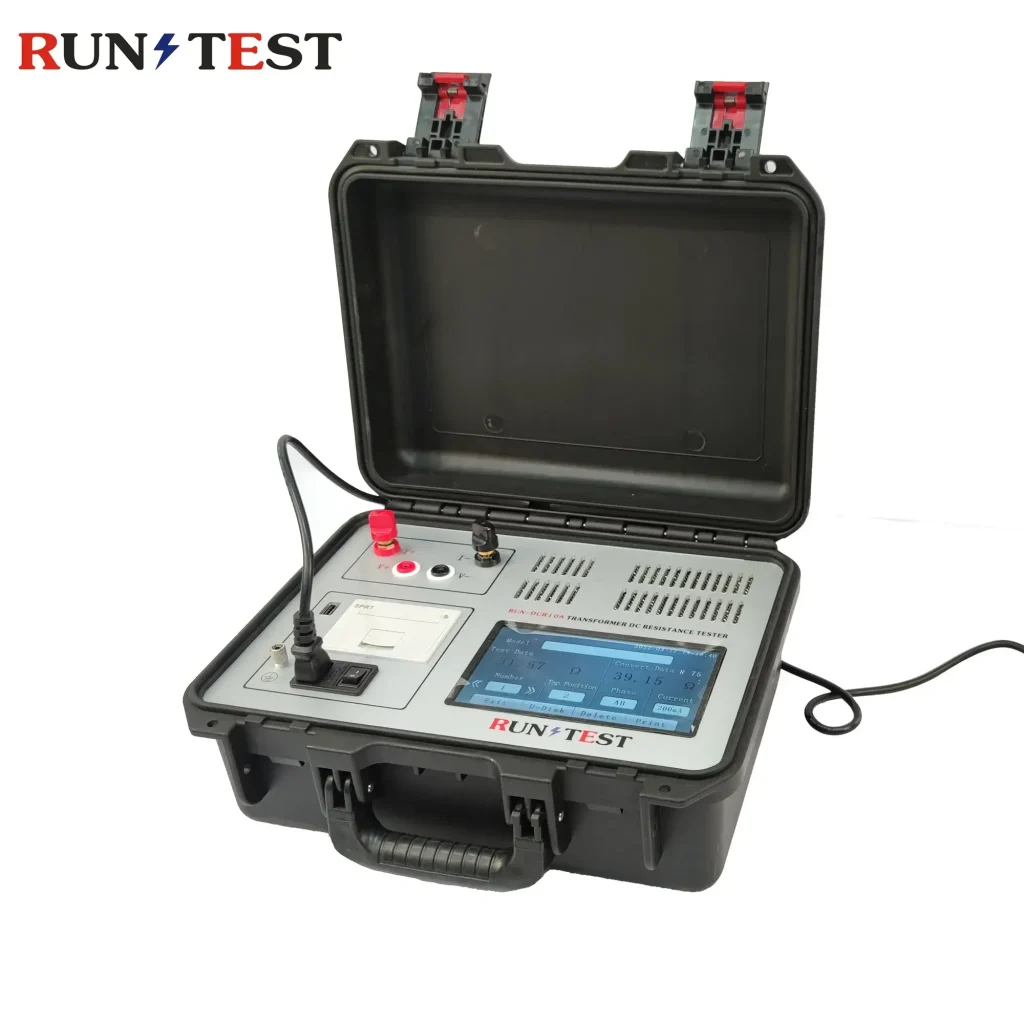
- Voltage testing and calibration: Using professional testeurs de transformateurs helps verify electrical stability in laboratory devices.
- Resistance measurement precision: Critical for sensors in glucose and insulin analyzers. High-grade resistance meters provide accurate readings to maintain test reliability.
- Regular calibration: Ensures instruments maintain accuracy over time and under heavy usage conditions.
- Environmental control: Temperature and humidity affect sensor performance; controlled lab conditions improve repeatability.
Cost and Efficiency Considerations for Lab Equipment
Investing in reliable lab testing equipment directly affects operational efficiency and diagnostic accuracy. The choice of instruments impacts workflow, maintenance requirements, and long-term costs.
Table 1: Comparison of Lab Equipment for Insulin Resistance Testing
| Equipment Type | Purpose | Accuracy Requirement | Cost Consideration |
|---|---|---|---|
| Fasting glucose/insulin analyzers | HOMA-IR, OGTT | ±2% | Moderate |
| Hyperinsulinemic-euglycemic clamp apparatus | Gold standard measurement | ±1% | High |
| Resistance meters | Sensor calibration | ±0,1% | Low to Moderate |
| Transformer testers | Power stability verification | ±0.05% | Moderate |
Looking to equip your lab with reliable power testing and measurement instruments?
Contact Run Test Electric for expert guidance and quotes: Nous contacter
Best Practices for Conducting Insulin Resistance Tests
Accurate insulin resistance testing depends not only on equipment quality but also on proper procedural protocols. Recommended best practices include:
- Collect samples under standardized fasting conditions.
- Use well-calibrated analyzers and regularly check sensor resistance.
- Verify power supply stability with transformer testers to prevent fluctuations affecting measurement.
- Maintain strict documentation of test results for regulatory compliance.
- Train personnel in both device operation and sample handling to reduce variability.
By combining durable, calibrated equipment with procedural rigor, laboratories can ensure reliable results while minimizing error and repeat testing.
FAQ: How to Test for Insulin Resistance
What is the most reliable method to test for insulin resistance?
The hyperinsulinemic-euglycemic clamp is considered the gold standard, but HOMA-IR and fasting insulin/glucose tests are commonly used for screening due to lower cost and complexity.
Do labs need special equipment for accurate testing?
Yes. Professional analyzers, high-precision resistance meters, and stable power systems verified with testeurs de transformateurs are essential.
Can insulin resistance tests be affected by power fluctuations?
Yes. Inaccurate voltage or electrical instability can compromise sensitive analyzers and lead to erroneous results.
How often should lab instruments be calibrated?
Calibration frequency depends on usage and manufacturer recommendations but generally ranges from monthly to quarterly.
Are automated analyzers reliable for large-scale screenings?
Yes. Automated analyzers with proper calibration and stable power supply ensure consistent and high-throughput insulin resistance testing.
Why Run Test Electric Is Your Trusted Partner for Lab Testing Equipment
Run Test Electric is a leading supplier of high-quality power testing and measurement instruments for clinical and industrial applications.
By focusing on reliability, precision, and long-term performance, Run Test Electric helps laboratories, hospitals, and diagnostic centers maintain operational efficiency and accuracy, ensuring that insulin resistance and other critical tests are conducted reliably every time.
References
- Wikipedia – Insulin resistance: https://en.wikipedia.org/wiki/Insulin_resistance