
การทดสอบหม้อแปลงไฟฟ้า
ระบบวินิจฉัยและอุปกรณ์ทดสอบเครื่องแปลงแรงดันสูง
ชุดทดสอบไฟฟ้าที่พร้อมใช้งานในสถานีย่อย สำหรับหม้อแปลงกำลัง หม้อแปลงกระจาย และหม้อแปลงวัด
สอดคล้องอย่างสมบูรณ์กับมาตรฐาน IEC 60076, IEEE C57, แนวทางของ CIGRE และมาตรฐานการทดสอบรับรองของ ANSI/NETA
ทำไมจึงควรเลือก Run Test Electric?
ในฐานะผู้ผลิตอุปกรณ์ทดสอบหม้อแปลงไฟฟ้าที่มีชื่อเสียงและผู้ส่งออกระดับโลก Run Test Electric นำเสนอโซลูชันการวินิจฉัยที่ผ่านการทดสอบในสนามจริง ซึ่งได้รับการออกแบบมาเพื่อใช้งานในสภาพแวดล้อมแรงดันสูงที่มีความต้องการสูงที่สุด
-
จัดส่งจากโรงงานโดยตรง: ราคาตรงจากโรงงาน พร้อมด้วยความสามารถในการปรับแต่งแบบ OEM และ ODM ที่ยืดหยุ่น เพื่อตอบสนองความต้องการในการทดสอบรถในกองรถของคุณอย่างเฉพาะเจาะจง
-
การปฏิบัติตามกฎระเบียบอย่างเคร่งครัด: สถาปัตยกรรมการวินิจฉัยทั้งหมดได้รับการออกแบบ ผลิต และปรับเทียบอย่างเคร่งครัดตามมาตรฐานวิศวกรรมสากลของ IEC และ IEEE
-
ความสามารถในการติดตามย้อนกลับทางมาตรวิทยาอย่างครบถ้วน: เครื่องวัดทดสอบหม้อแปลงทุกเครื่องล้วนผ่านกระบวนการควบคุมคุณภาพอย่างเข้มงวด และมาพร้อมรายงานการสอบเทียบจากโรงงานที่สามารถตรวจสอบย้อนกลับได้ถึงมาตรฐานอ้างอิงระดับชาติ
-
ประสบการณ์การส่งออกระดับโลก: บรรจุภัณฑ์ที่ทนทานและแข็งแรงตามมาตรฐาน IP65 พร้อมการจัดส่งที่รวดเร็วและการสนับสนุนทางเทคนิคอย่างต่อเนื่องจากวิศวกรผู้มีประสบการณ์ด้านระบบไฟฟ้าแรงสูง
-
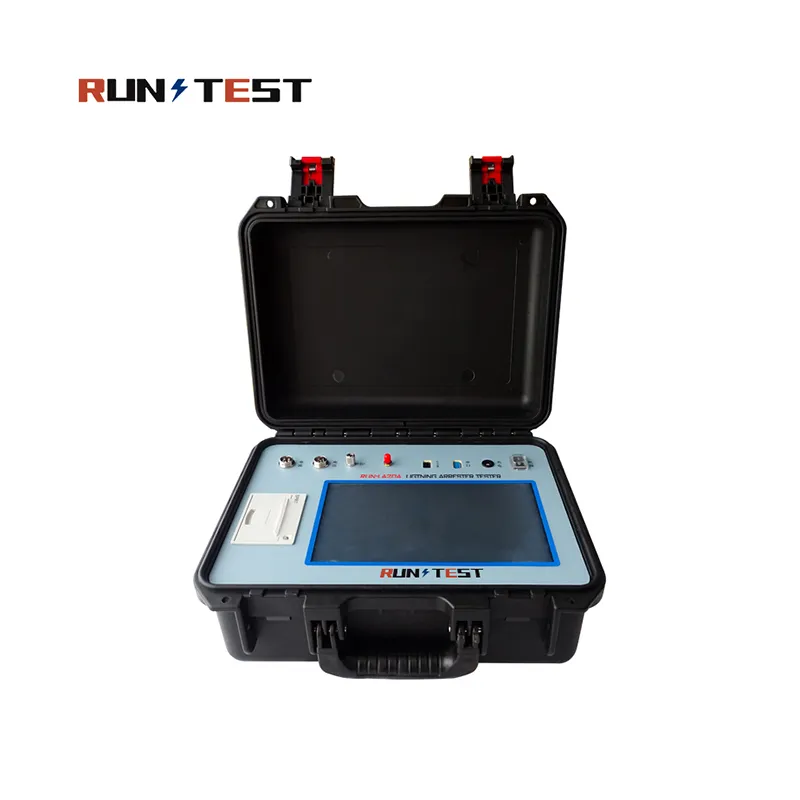
ตัวป้องกันฟ้าผ่าสังกะสีออกไซด์คุณภาพสูง Moa
-
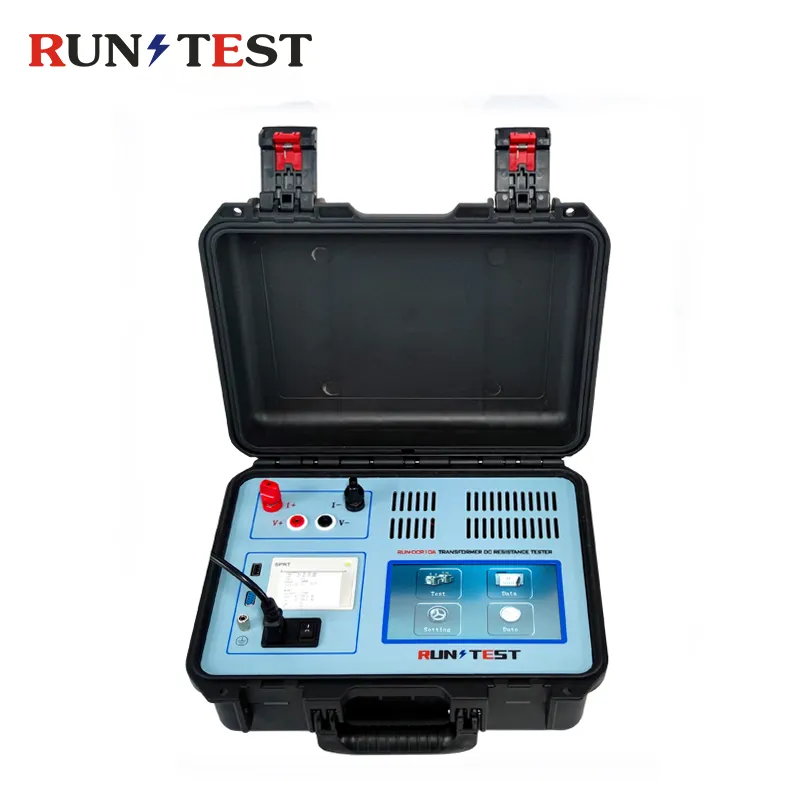
เครื่องทดสอบความต้านทานกระแสตรง 10A สำหรับทดสอบความต้านทานขดลวดหม้อแปลง
-
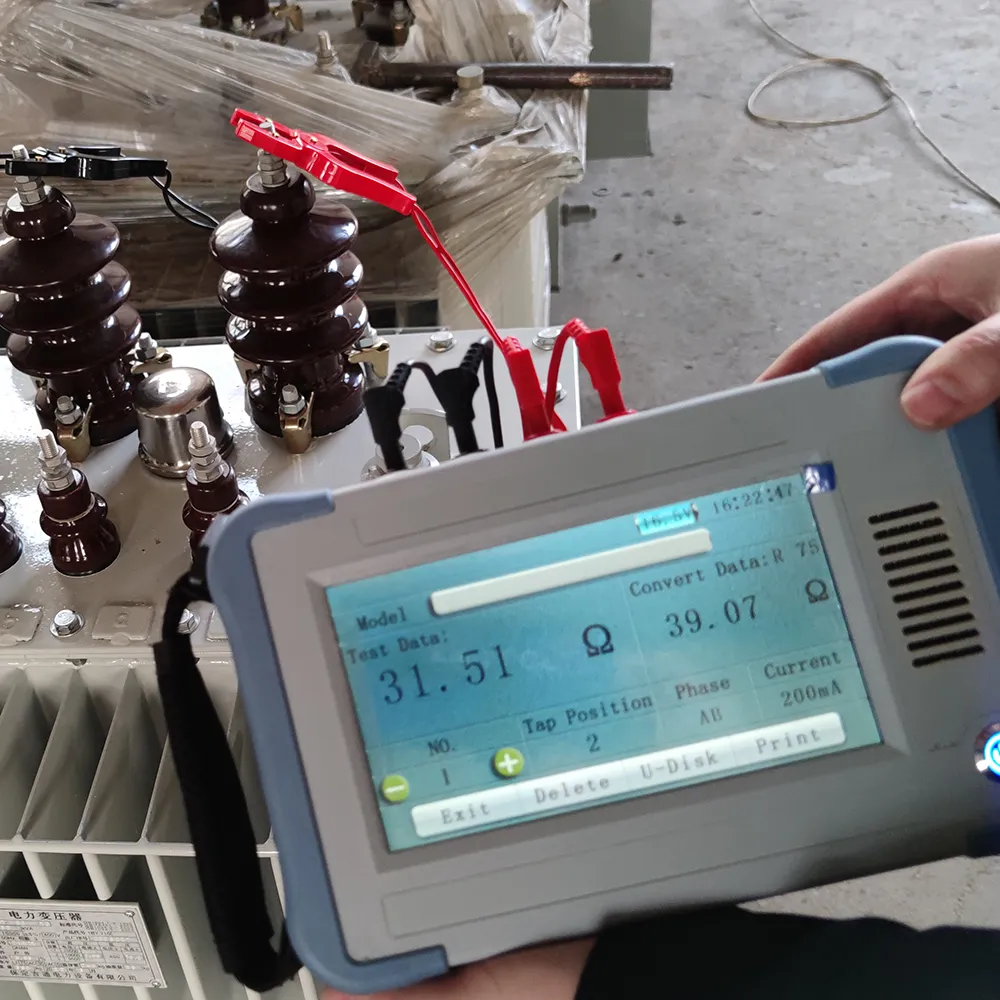
อุปกรณ์ทดสอบหม้อแปลง เครื่องวัดความต้านทานขดลวด เครื่องทดสอบความต้านทานกระแสตรง
-
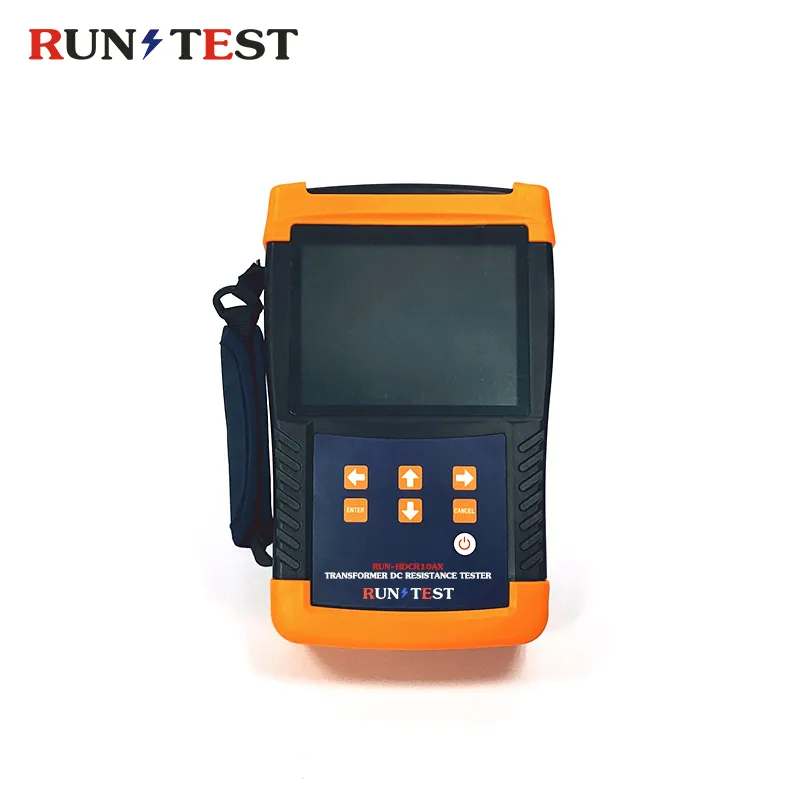
เครื่องวัดความต้านทานขดลวดหม้อแปลงไฟฟ้า เครื่องทดสอบความต้านทานกระแสตรง
-
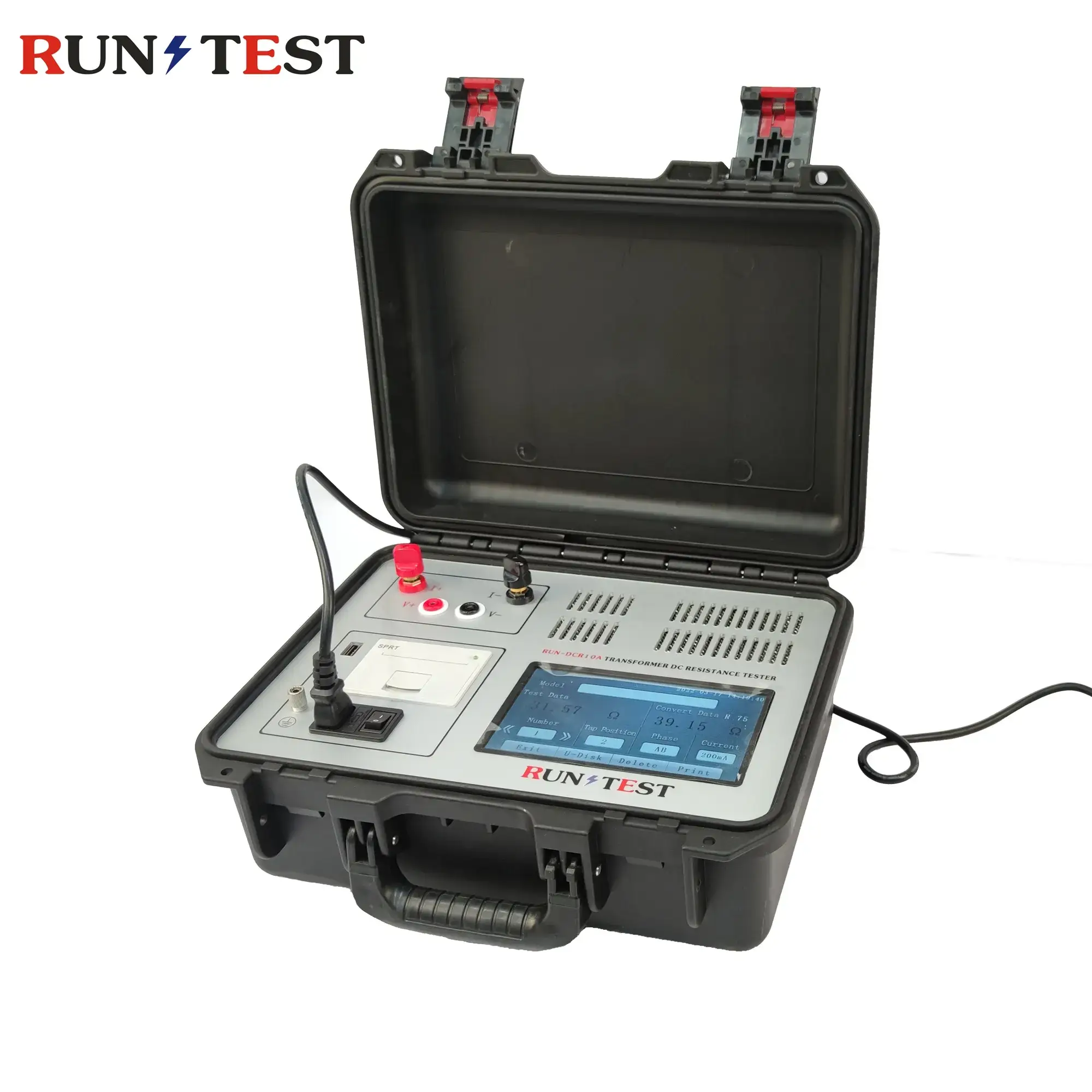
10A เครื่องทดสอบความต้านทานการพันกระแสตรง (wr) รุ่นล่าสุด
-
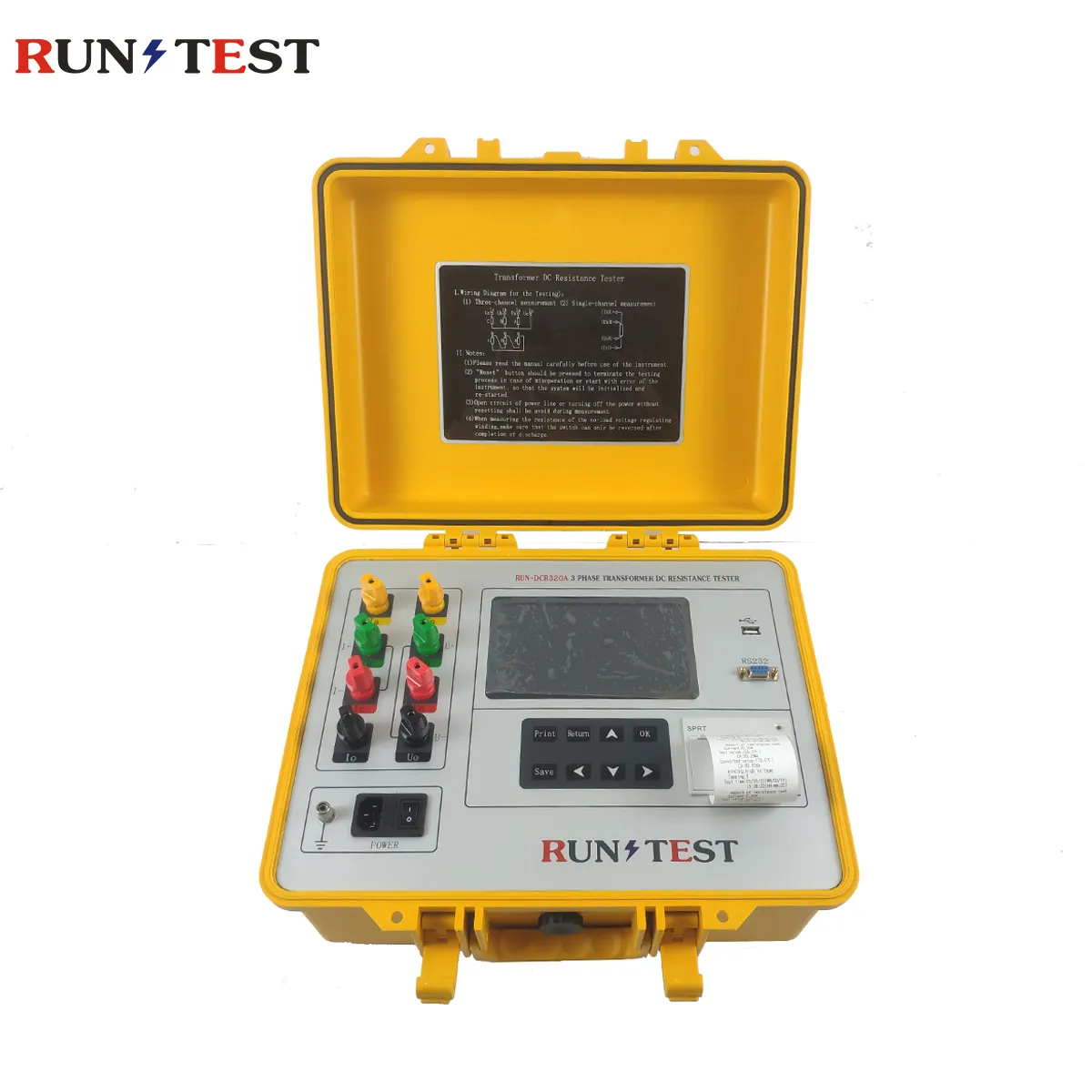
เครื่องทดสอบความต้านทานกระแสตรงของขดลวดหม้อแปลงไฟฟ้าสามเฟส
-
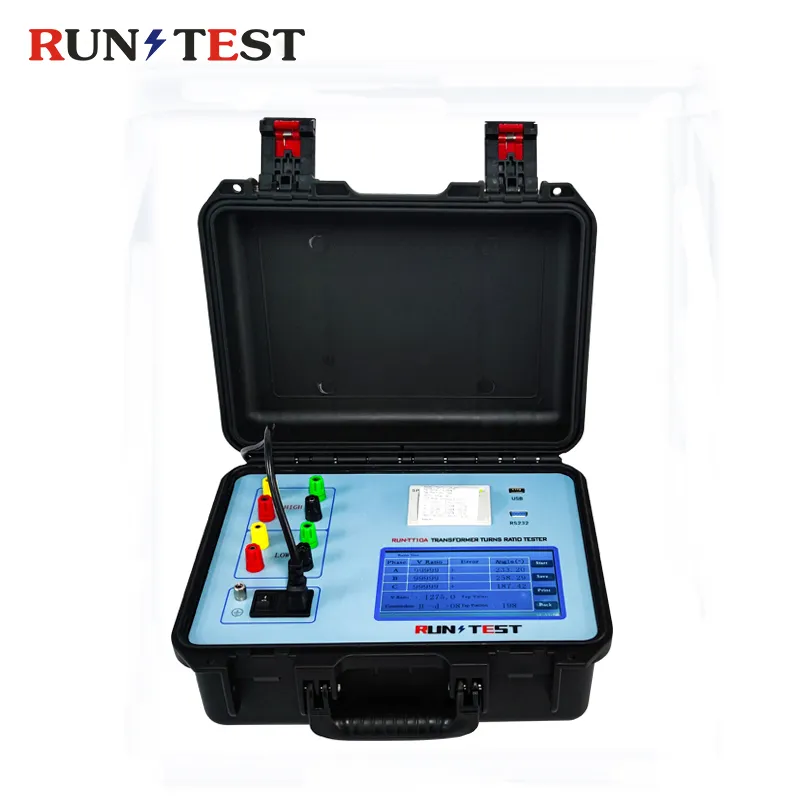
เครื่องทดสอบอัตราส่วนการหมุนของหม้อแปลงไฟฟ้า TTR meter
-
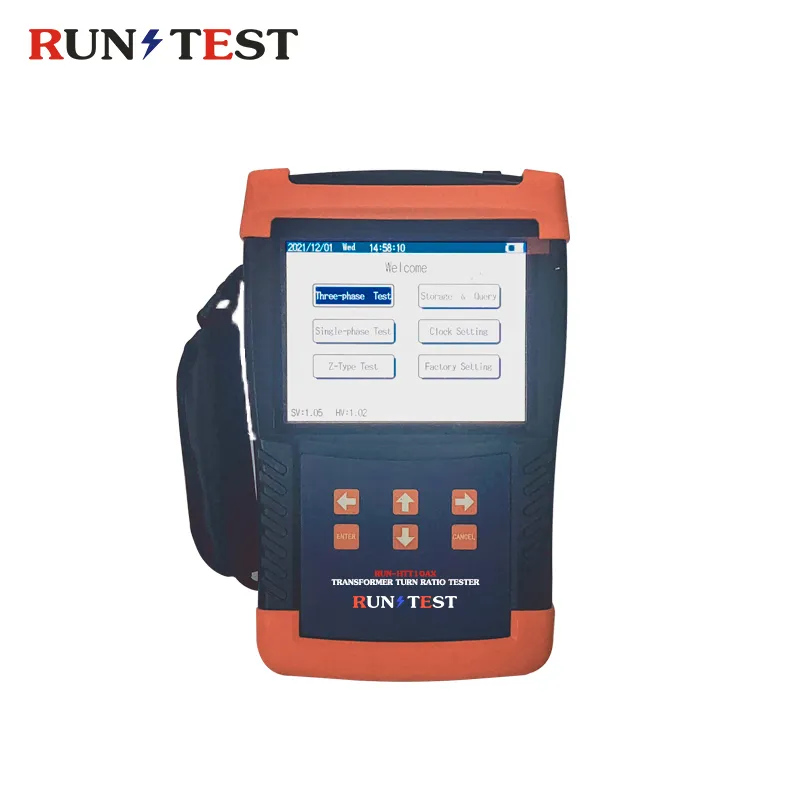
อุปกรณ์ทดสอบอัตราส่วนรอบของหม้อแปลงสามเฟส TTR Tester
-
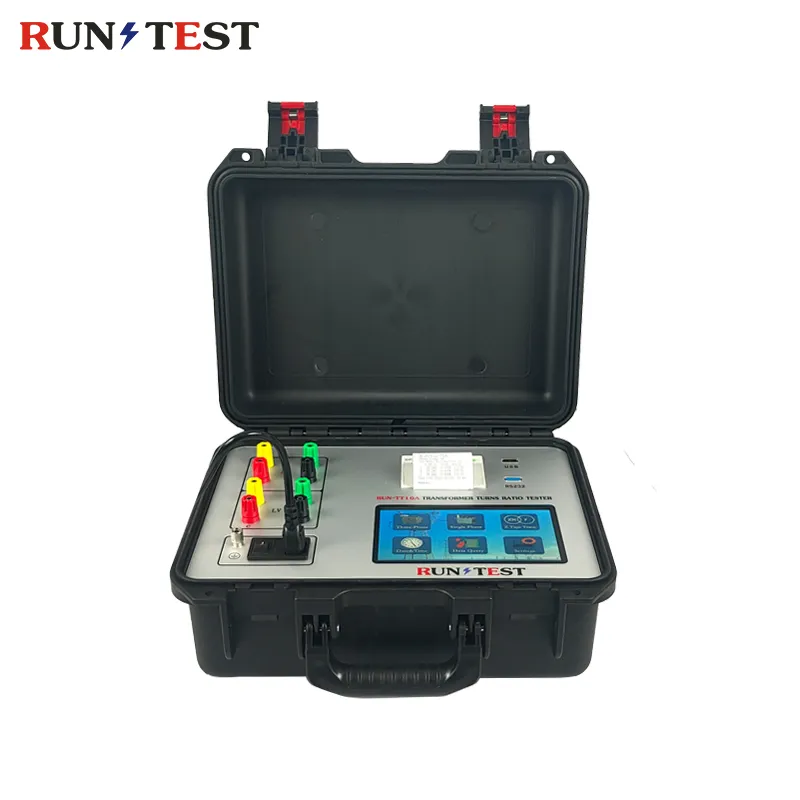
เครื่องทดสอบอัตราส่วนรอบของหม้อแปลงไฟฟ้าสามเฟส TTR
ค้นหาตามประเภทวิธีการทดสอบและอุปกรณ์
การทดสอบอัตราส่วนการแปลง (TTR) ผู้ทดสอบ
ออกแบบมาเพื่อตรวจสอบอัตราส่วนความแม่นยำสูง การวัดความผิดพลาดของเฟส และการทดสอบขั้วของกลุ่มเวกเตอร์ ระหว่างการทดสอบและรับมอบหม้อแปลงไฟฟ้า รวมถึงการตรวจสอบตามกำหนดเวลา
-
ความสามารถหลัก: การกระตุ้นแบบเฟสเดียวและแบบสามเฟสจริงสำหรับกลุ่มเวกเตอร์ที่ซับซ้อน (รวมถึงหม้อแปลงแบบ Z-connected, หม้อแปลงแบบเปลี่ยนเฟส และหม้อแปลงแบบ Scott/Teaser)
-
เกณฑ์วัดประสิทธิภาพทางเทคนิค: อัตราส่วนสูงถึง 10,000 ด้วยความละเอียดสูงสุด 0.0001 ความแม่นยำทั่วไป 0.1% และระบบระบุกลุ่มทดสอบแบบบอดอัตโนมัติที่ติดตั้งมาพร้อมเครื่อง
-
ความปลอดภัยในสนาม: ระบบป้องกันแบบบูรณาการสำหรับการกลับเฟส การลัดวงจร และการกระตุ้นด้วยแรงดันสูงแบบฉีดกลับ
ความต้านทานการบิด การวัด
-
ความสามารถหลัก: ตัวเลือกกระแสไฟฟ้าขาออกตั้งแต่ระบบแบบพกพา 10A, 20A ไปจนถึงระบบสำหรับงานหนัก 40A ที่มีแรงดันความยืดหยุ่นสูง เพื่อทำให้แกนแม่เหล็กอิ่มตัวได้อย่างรวดเร็ว
-
เกณฑ์วัดประสิทธิภาพทางเทคนิค: การฉีดกระแสสามเฟสพร้อมกันพร้อมระบบปรับสมดุลความต้านทานหลายช่องแบบไดนามิก ซึ่งช่วยลดระยะเวลาการทดสอบของเครื่องแปลงอัตโนมัติและเครื่องแปลงไฟฟ้ากำลังสูงได้อย่างมาก
-
สถาปัตยกรรมความปลอดภัย: วงจรดูดซับ Back-EMF (แรงเคลื่อนไฟฟ้า) แบบแอคทีฟขั้นสูง พร้อมระบบล็อคการคายประจุหลายขั้นตอนแบบซิงโครไนซ์สำหรับระบบเสียงและภาพ
อุปกรณ์ทดสอบปัจจัยกำลังและ Tan Delta ของฉนวน
สะพาน AC แรงดันสูงขั้นสูง ที่ออกแบบมาเพื่อวัดการสูญเสียทางไดอิเล็กทริก การเสื่อมสภาพของฉนวน และการซึมเข้าของความชื้นในบริเวณเฉพาะภายในโครงสร้างฉนวนของหม้อแปลงและบูชแรงดันสูง
-
ความสามารถหลัก: แหล่งจ่ายไฟฟ้าแรงสูงภายในแบบความถี่แปรผันแบบบูรณาการ ที่ให้แรงดัน AC สูงสุดถึง 10kV/12kV พร้อมความสามารถในการปรับความถี่ได้ตั้งแต่ 45Hz ถึง 65Hz
-
เกณฑ์วัดประสิทธิภาพทางเทคนิค: ใช้เทคโนโลยี Dual-Frequency Shift (DFT) ขั้นสูงและระบบกรองสัญญาณดิจิทัลเพื่อกำจัดสัญญาณรบกวนจากสนามไฟฟ้าสถิตที่ความถี่ของระบบไฟฟ้าอย่างสมบูรณ์ในสถานีไฟฟ้าย่อย 500 kV ที่กำลังทำงานอยู่ รองรับการตั้งค่า UST (การทดสอบระบบไม่ต่อดิน) และ GST (การทดสอบระบบต่อดิน)
เครื่องวิเคราะห์ความตอบสนองความถี่แบบสวีป (SFRA)
ชุดอุปกรณ์ทดสอบความต้านทานของหม้อแปลงแบบไม่ทำลายโครงสร้าง และชุดอุปกรณ์วินิจฉัยการเปลี่ยนรูปของแกนและขดลวด ตามมาตรฐาน IEC 60076-18 และ IEEE C57.149
-
ความสามารถหลัก: ตรวจหาการเปลี่ยนตำแหน่งทางกลภายใน การเคลื่อนที่ของขดลวดตามแกน การบิดตัวของวงแหวน และการล้มเหลวของระบบยึดแกน หลังจากเกิดข้อผิดพลาดหรือหลังการขนส่งด้วยน้ำหนักมาก
-
เกณฑ์วัดประสิทธิภาพทางเทคนิค: ช่วงไดนามิกที่ยอดเยี่ยมเกิน 120dB เพื่อแยกความเปลี่ยนแปลงของการสั่นสะเทือนที่มีแอมพลิจูดต่ำ การสแกนความถี่อย่างแม่นยำจาก 10Hz ถึง 2MHz ด้วยจุดความถี่ที่จัดเรียงตามลอการิทึมและมีความเสถียรสูง
เครื่องทดสอบอุปกรณ์เปลี่ยนตำแหน่งขดลวดขณะมีโหลด (OLTC)
เครื่องวิเคราะห์สัญญาณชั่วคราวแบบเฉพาะทาง ที่ออกแบบมาเพื่อวัดเวลาการเปลี่ยนสถานะ ความต้านทานการเปลี่ยนสถานะ และความต่อเนื่องของรูปคลื่น ระหว่างกระบวนการเปลี่ยนแทป โดยไม่ต้องรื้อโครงสร้างเครือข่ายของหม้อแปลง
เครื่องวิเคราะห์ CT/PT และเครื่องทดสอบหม้อแปลงวัด
การวิเคราะห์ทางมาตรวิทยาด้วยเครื่องมือเดียวสำหรับเครื่องแปลงกระแส (CT) และเครื่องแปลงแรงดัน (PT) ตามมาตรฐาน IEC 61869-2/-3 และ IEEE C57.13.
ตารางข้อมูลจำเพาะของ Core Transformer สำหรับงานวิศวกรรมการทดสอบ
| ตัวชี้วัดการวินิจฉัย | มาตรฐานอุตสาหกรรม | พารามิเตอร์หลักของระบบวัด | กลุ่มผลิตภัณฑ์หลัก |
| อัตราส่วนการหมุนและข้อผิดพลาดด้านเฟส | IEC 60076-1 / IEEE C57.12.90 | ช่วงอัตราส่วน: 0.8 ถึง 10,000; ความละเอียด: 0.0001 | ซีรีส์ RT-TTR |
| ความต้านทานของขดลวด DC | IEEE C57.12.92 / NETA ATS | กำลังออกสูงสุด: 10A / 20A / 40A; ความแม่นยำ: 0.2% | ซีรีส์ RT-WDR |
| ปัจจัยการสูญเสีย (Tan Delta) | DL/T 474.3 / IEC 60076-1 | แรงดันทดสอบ: 10 kV / 12 kV; ช่วงความจุ: 3 pF ถึง 60,000 pF | ซีรีส์ RT-TDT |
| การวินิจฉัยการเปลี่ยนรูปของขดลวด | IEC 60076-18 / IEEE C57.149 | ช่วงไดนามิก: มากกว่า 120dB; ความถี่สวีป: 10Hz ถึง 2MHz | ซีรีส์ RT-SFRA |
การใช้งานที่หลากหลายในภาคพลังงานทั่วโลก
อุปกรณ์ทดสอบหม้อแปลงสถานีไฟฟ้าระดับอุตสาหกรรมของเราได้รับการออกแบบมาเพื่อทนต่อสภาพแวดล้อมที่มีสัญญาณรบกวนทางแม่เหล็กไฟฟ้า (EMI) ที่รุนแรง ทำให้เป็นตัวเลือกที่ได้รับความนิยมในหลากหลายภาคอุตสาหกรรม:
-
บริษัทไฟฟ้าและสถานีไฟฟ้าย่อย: นำเสนอโซลูชันที่มีความแม่นยำสูงและพร้อมใช้งานในสนาม สำหรับการบำรุงรักษาเชิงป้องกัน ความน่าเชื่อถือในการส่งกำลังไฟฟ้า และการทดสอบรับมอบตามปกติในสถานีไฟฟ้าระดับ EHV/UHV
-
ผู้ผลิตเครื่องแปลงไฟฟ้า: สนับสนุนทีมควบคุมคุณภาพในโรงงานด้วยเครื่องมือที่มีความแม่นยำสูง เพื่อดำเนินการทดสอบรับมอบโรงงาน (FAT) อย่างครบถ้วน
-
โรงงานอุตสาหกรรมและโครงสร้างพื้นฐาน: จัดหาเครื่องทดสอบหม้อแปลงไฟฟ้าที่มีขนาดกะทัดรัดและพกพาได้ สำหรับการบำรุงรักษาเชิงคาดการณ์ในโรงงานผลิตอุตสาหกรรมหนัก ศูนย์ข้อมูล และเครือข่ายไฟฟ้าของระบบรถไฟ
-
สถานผลิตพลังงานหมุนเวียน: การรับประกันความเสถียรภาพของการเชื่อมต่อกับระบบไฟฟ้าอย่างต่อเนื่อง และการประเมินสภาพของหม้อแปลงเพิ่มแรงดันในสถานีไฟฟ้าย่อยพลังงานแสงอาทิตย์และฟาร์มกังหันลมระดับอุตสาหกรรม
คู่มือการเลือกอุปกรณ์ทดสอบหม้อแปลง
การเลือกเครื่องมือวินิจฉัยหม้อแปลงที่เหมาะสมจำเป็นต้องปรับให้สอดคล้องกับข้อกำหนดทางเทคนิคของคุณกับระดับแรงดันของสถานีไฟฟ้าย่อย โครงสร้างแกน และเงื่อนไขการทดสอบเฉพาะ ใช้คู่มือทางวิศวกรรมนี้เพื่อระบุเครื่องมือทดสอบหม้อแปลงไฟฟ้าที่เหมาะสมที่สุดสำหรับกลุ่มหม้อแปลงของคุณ
ขั้นตอนที่ 1: ตรวจสอบให้ตรงกับค่าแรงดันที่กำหนดและความจุ MVA
ขนาดทางกายภาพและค่าความเหนี่ยวนำของหม้อแปลงที่กำลังทดสอบ เป็นปัจจัยที่กำหนดกำลังออกและขอบเขตความปลอดภัยที่จำเป็นสำหรับอุปกรณ์ทดสอบหม้อแปลงในสถานีไฟฟ้าย่อยของคุณ
-
สำหรับหม้อแปลงไฟฟ้าสำหรับการจ่ายไฟฟ้า (< 35kV, MVA ต่ำ):
-
ประสิทธิภาพและความสะดวกในการเคลื่อนที่เป็นสิ่งสำคัญที่สุด ควรเลือกเครื่องทดสอบหม้อแปลงแบบพกพาที่มีแบตเตอรี่ลิเธียมในตัว เครื่องทดสอบความต้านทานขดลวด 10A และเครื่องวัด TTR แบบถือมือสำหรับระบบไฟฟ้าเฟสเดียว/สามเฟส ให้ความสามารถเพียงพอสำหรับการทดสอบในสนามได้อย่างรวดเร็ว
-
-
สำหรับเครื่องแปลงแรงดันในระบบส่งไฟฟ้าและสถานีไฟฟ้าย่อย (110 kV ถึง 500 kV+ และ MVA สูง):
-
ขดลวดที่มีค่าความเหนี่ยวนำสูงต้องการกระแสวินิจฉัยกำลังสูงเพื่อทำให้แกนเกิดการอิ่มตัวได้อย่างรวดเร็ว ให้เลือกเครื่องทดสอบความต้านทานขดลวดหม้อแปลงแบบสามช่อง 40A เพื่อลดเวลาการอิ่มตัวลงอย่างมาก การทดสอบฉนวนจำเป็นต้องใช้ชุดทดสอบ Tan Delta 10kV/12kV ที่ออกแบบมาโดยเฉพาะ พร้อมด้วยความต้านทานต่อสนามแม่เหล็กไฟฟ้าที่แข็งแกร่ง เพื่อแยกสัญญาณรบกวนจากระบบไฟฟ้าแรงสูง
-
ขั้นตอนที่ 2: กำหนดโครงสร้างเฟสและความเร็วการทดสอบ
-
การกระตุ้นแบบเฟสเดียว เทียบกับการกระตุ้นแบบสามเฟสที่แท้จริง:
-
หากทีมของคุณทำการทดสอบกลุ่มเวกเตอร์ที่ซับซ้อนอย่างสม่ำเสมอ (เช่น Scott, Teaser หรือหม้อแปลงเปลี่ยนเฟสแบบ Z-connected) เครื่องวัดอัตราส่วนเฟสเดียวแบบมาตรฐานจะไม่สามารถทำงานได้ ให้แน่ใจว่าเครื่องวัดหม้อแปลงของคุณรองรับการกระตุ้นแบบสามเฟสพร้อมกันจริง เพื่อสามารถระบุกลุ่มเวกเตอร์ได้โดยอัตโนมัติ และป้องกันข้อผิดพลาดในการคำนวณเฟสระหว่างการทดสอบและรับมอบหม้อแปลง
-
-
การวัดการพันสายพร้อมกัน:
-
สำหรับการบำรุงรักษาเครือข่ายไฟฟ้าตามปกติ การเลือกเครื่องวัดความต้านทานขดลวดที่รองรับการวัดการอิ่มตัวทางแม่เหล็กสามเฟสพร้อมกัน จะช่วยลดความจำเป็นในการเปลี่ยนสายวัดในสนาม และลดเวลาหยุดทำงานของสถานีไฟฟ้าย่อยลงได้สูงสุดถึง 70%
-
ขั้นตอนที่ 3: ปรับให้สอดคล้องกับวงจรชีวิตของสินทรัพย์และเป้าหมายด้านการวินิจฉัย
เลือกแพ็กเกจอุปกรณ์วัดและควบคุมตามวัตถุประสงค์ของคุณ ไม่ว่าจะเป็นการดำเนินการทดสอบรับมอบตามปกติ การบำรุงรักษาเชิงคาดการณ์ หรือการวิเคราะห์หลังเกิดข้อผิดพลาดในสถานการณ์ฉุกเฉิน
-
การทดสอบรับมอบจากโรงงาน (FAT) และการเดินเครื่อง:
-
จำเป็นต้องมีความแม่นยำทางมาตรวิทยาอย่างสมบูรณ์ และเอกสารที่แสดงการปฏิบัติตามมาตรฐาน ให้แน่ใจว่าโรงงานผู้ผลิตอุปกรณ์ทดสอบหม้อแปลงของคุณจัดหาเครื่องมือมาพร้อมกับรายงานการสอบเทียบที่สามารถตรวจสอบย้อนกลับได้ ซึ่งยืนยันความแม่นยำของอัตราส่วนพื้นฐานที่ 0.1% และความละเอียดของความต้านทานต่ำถึง 0.1 μΩ
-
-
การตรวจสอบสภาพหลังเกิดข้อผิดพลาดและความสมบูรณ์ของระบบขนส่ง:
-
หากเครื่องแปลงไฟฟ้าเคยเกิดข้อผิดพลาดทางวงจรที่รุนแรง หรือเพิ่งถูกขนส่งมาทางเรือในสภาพการขนส่งที่หนักหน่วง การทดสอบทางไฟฟ้าตามมาตรฐานไม่สามารถตรวจสอบความปลอดภัยทางกลไกภายในได้ คุณต้องใช้ เครื่องวิเคราะห์การตอบสนองความถี่แบบสวีป (SFRA) เพื่อดำเนินการ การทดสอบอิมพีแดนซ์ของหม้อแปลง และประเมินการเปลี่ยนรูปของขดลวดหรือการเคลื่อนที่ของแกน
-
แมทริกซ์การเลือกอย่างรวดเร็วสำหรับโอกาสการจัดซื้อ
| งานด้านวิศวกรรม | คุณสมบัติสำคัญที่ควรพิจารณา | ประเภทระบบที่แนะนำ |
| การตรวจสอบอัตราส่วนสนามและขั้วไฟฟ้าอย่างรวดเร็วในเครือข่ายการจ่ายไฟฟ้า | รูปแบบเครื่องแบบถือมือ, มีแบตเตอรี่ในตัว, ช่วงอัตราขยาย 0.8 ถึง 10,000 | เครื่องทดสอบ TTR แบบพกพา |
| การวัดความต้านทานการพันลวดในเครื่องแปลงแรงดันอัตโนมัติขนาดใหญ่ | การส่งออกกระแสคงที่ 20A/40A, การปรับสมดุลหลายช่องพร้อมกัน, ระบบป้องกันการคายประจุจากแรงเคลื่อนย้อนกลับแบบแอคทีฟ | เครื่องวิเคราะห์ความต้านทานขดลวดกระแสตรง 3 เฟส 40A |
| การประเมินการเสื่อมสภาพของฉนวนบุชชิ่งและการซึมผ่านของความชื้น | แหล่งความถี่แปรผัน (45Hz–65Hz), โหมดการวัด UST/GST, ระบบลดสัญญาณรบกวนอัตโนมัติ | ชุดทดสอบค่าตัวประกอบกำลังและ Tan Delta ของฉนวน 12 kV |
| การวินิจฉัยการเปลี่ยนตำแหน่งแกนกลไกหลังจากเกิดข้อผิดพลาดแบบลัดวงจร | ช่วงไดนามิก > 120dB, ช่วงความถี่สูงสุด 2MHz, เป็นไปตามมาตรฐาน IEC 60076-18 | เครื่องทดสอบการเปลี่ยนรูป SFRA สำหรับแกนและขดลวด |
คำถามที่มักถูกถาม - การทดสอบหม้อแปลง
คำถามที่ 1: อุปกรณ์วินิจฉัยหลักใดที่จำเป็นสำหรับการทดสอบหม้อแปลงไฟฟ้า?
ระบบวินิจฉัยหม้อแปลงไฟฟ้าที่ครบถ้วนโดยทั่วไปจำเป็นต้องมีเครื่องวัดอัตราส่วนรอบหม้อแปลง (TTR) เพื่อตรวจสอบอัตราส่วนแรงดัน เครื่องวัดความต้านทานขดลวดกระแสตรง (DC) เพื่อประเมินสภาพการสัมผัสและจุดต่อ เครื่องทดสอบ Tan Delta เพื่อวิเคราะห์ปัจจัยกำลังของฉนวน และเครื่องวิเคราะห์การตอบสนองความถี่แบบสวีป (SFRA) เพื่อวินิจฉัยการบิดเบี้ยวทางกลของขดลวด
คำถามที่ 2: ทำไมการทดสอบความต้านทานการพันสายจึงมีความสำคัญอย่างยิ่งสำหรับหม้อแปลงไฟฟ้า?
การทดสอบความต้านทานของขดลวดช่วยตรวจหาความผิดปกติภายในที่สำคัญ เช่น การเชื่อมต่อภายในที่หลวม สายตัวนำที่ขาด ความต้านทานการสัมผัสสูงในอุปกรณ์เปลี่ยนตำแหน่งขณะโหลด (OLTC) และจุดต่อแบบบราซิ่งที่มีข้อบกพร่อง การทดสอบนี้ช่วยรับประกันว่าความสมบูรณ์ของขดลวดสามารถทนต่อโหลดกระแสไฟฟ้าตามค่ามาตรฐานได้โดยไม่เกิดการร้อนเกินในจุดเฉพาะ
คำถามที่ 3: การวิเคราะห์ความตอบสนองความถี่แบบสวีป (SFRA) ตรวจจับการเปลี่ยนรูปของขดลวดได้อย่างไร?
SFRA ทำหน้าที่เป็น "ลายนิ้วมือทางไฟฟ้า-กลไก" ของเครื่องแปลงไฟฟ้า โดยการส่งสัญญาณ AC แรงดันต่ำผ่านช่วงความถี่ที่กวาด (โดยทั่วไป 10 Hz ถึง 2 MHz) และวัดฟังก์ชันการถ่ายโอน การเปลี่ยนแปลงทางกลใดๆ ในขดลวดหรือแกนจะส่งผลให้ความจุและความเหนี่ยวนำภายในเปลี่ยนแปลง ซึ่งทำให้เกิดการเลื่อนของเส้นโค้งการตอบสนองความถี่เมื่อเทียบกับข้อมูลอ้างอิง
คำถามที่ 4: อุปกรณ์ทดสอบหม้อแปลงสามารถทำงานได้อย่างปลอดภัยในสถานีไฟแรงสูงที่มีสัญญาณรบกวนสูงได้หรือไม่?
ใช่ครับ อุปกรณ์ทดสอบหม้อแปลงในสถานีไฟฟ้าย่อยระดับมืออาชีพได้รับการออกแบบด้วยเทคโนโลยีความเข้ากันได้ทางแม่เหล็กไฟฟ้า (EMC) ขั้นสูง ตัวอย่างเช่น เครื่องทดสอบ Tan Delta ของเราใช้เทคโนโลยีการเปลี่ยนความถี่ (เช่น 45Hz/55Hz หรือ 55Hz/65Hz) เพื่อแยกและลดการรบกวนทางไฟฟ้าสถิตจากความถี่ไฟฟ้า ซึ่งมักเกิดขึ้นในสภาพแวดล้อมที่มีแรงดันสูงและกำลังทำงานอยู่
คำถามที่ 5: เครื่องมือทดสอบหม้อแปลงไฟฟ้าของบริษัทท่านเป็นไปตามมาตรฐาน IEC และ IEEE หรือไม่?
แน่นอนครับ ในฐานะโรงงานผลิตอุปกรณ์ทดสอบหม้อแปลงที่มีชื่อเสียง เครื่องมือวัดทุกชิ้นของเราได้รับการออกแบบ ปรับเทียบ และผลิตตามมาตรฐานวิศวกรรมสากลอย่างเคร่งครัด รวมถึงมาตรฐาน IEC 60076, IEEE C57.12.90 และเกณฑ์การทดสอบรับรองของ ANSI/NETA
คำถามที่ 6: การทดสอบอิมพีแดนซ์ของหม้อแปลงคืออะไร และทำไมจึงต้องดำเนินการ?
การทดสอบอิมพีแดนซ์ของหม้อแปลงเป็นการวัดอิมพีแดนซ์แบบลัดวงจรของขดลวดหม้อแปลง ซึ่งดำเนินการเพื่อตรวจหาความผิดรูปหรือการเคลื่อนตัวที่รุนแรงของขดลวด ซึ่งอาจเกิดขึ้นระหว่างการเกิดข้อผิดพลาดแบบลัดวงจรที่ขั้วต่อ หรือจากการขนส่งที่ไม่ระมัดระวัง
คำถามที่ 7: ควรดำเนินการตรวจสอบสภาพและประเมินสภาพของหม้อแปลงไฟฟ้าบ่อยแค่ไหน?
แม้ว่าการกำหนดความถี่ในการทดสอบจะขึ้นอยู่กับนโยบายของบริษัทไฟฟ้าและระดับความสำคัญของสินทรัพย์ แต่ตามมาตรฐานปฏิบัติในอุตสาหกรรม แนะนำให้ดำเนินการทดสอบวินิจฉัยในช่วงการรับมอบระบบ ช่วงระยะเวลาตามกำหนด (ทุก 1 ถึง 3 ปี สำหรับสินทรัพย์สำคัญในสถานีไฟฟ้าย่อย) และทันทีหลังจากเกิดเหตุการณ์ความผิดปกติที่รุนแรงและใกล้ตัว
เกี่ยวกับ RUN TEST ELECTRIC
บริษัท Run Test Electric Manufacturing Co., Ltd. ตั้งอยู่ในสวนวิทยาศาสตร์ดงรุน (Dongrun Science Park) ของเขตพัฒนาเทคโนโลยีขั้นสูงเมืองเป่าติ้ง (Baoding High-Tech Development Zone) จังหวัดเหอเป่ย์ (Hebei) ประเทศจีน เป็นบริษัทอุตสาหกรรมเทคโนโลยีขั้นสูงชั้นนำ ที่เชี่ยวชาญด้านการวิจัยและพัฒนา การผลิต และการจัดจำหน่ายอุปกรณ์ทดสอบไฟฟ้าแรงสูงทั่วโลก ด้วยประสบการณ์ด้านมาตรวิทยาและนวัตกรรมทางวิศวกรรมที่สั่งสมมาหลายทศวรรษ เราได้สร้างชื่อเสียงให้ตัวเองเป็นบริษัทที่ได้รับความไว้วางใจในระดับโลก ผู้จำหน่ายเครื่องวัดความต้านทาน และพันธมิตรด้านการวินิจฉัยสถานีไฟฟ้าย่อยแบบครบวงจร
โรงงานผลิตที่ทันสมัยของเราได้รับการออกแบบด้วยกระบวนการควบคุมคุณภาพขั้นสูง ห้องปฏิบัติการปรับเทียบความแม่นยำ และห้องทดสอบสภาพแวดล้อมระดับอุตสาหกรรมหนัก โครงสร้างพื้นฐานนี้ช่วยให้ทีมเทคนิคของเราสามารถออกแบบและพัฒนาอุปกรณ์วัดที่มีความน่าเชื่อถือสูง ซึ่งสามารถทนต่อสัญญาณรบกวนทางแม่เหล็กไฟฟ้าที่รุนแรงและสภาพการใช้งานในสนามที่ท้าทายได้ ตั้งแต่บริษัทสาธารณูปโภคไฟฟ้าแห่งชาติและโรงผลิตไฟฟ้าขนาดใหญ่ ไปจนถึงผู้ผลิตอุปกรณ์แปลงไฟฟ้า (OEM) และห้องปฏิบัติการสอบเทียบเชิงพาณิชย์ของบุคคลที่สามทั่วยุโรป อเมริกา ตะวันออกกลาง และเอเชียตะวันออกเฉียงใต้ Run Test Electric เป็นมาตรฐานอ้างอิงที่ชัดเจนที่สุดด้านความสมบูรณ์ของสินทรัพย์ไฟฟ้าและความน่าเชื่อถือของระบบโครงข่ายไฟฟ้า