
thử nghiệm điện áp cao
High voltage testing in electrical testing is a process used to verify the insulation strength and the overall integrity of electrical components, systems, or equipment. The goal is to ensure that these systems can safely operate under normal operating conditions, including any potential voltage surges or spikes. High voltage tester helps detect weaknesses or defects in the insulation materials or construction of electrical equipment, reducing the risk of failures during operation.
At RUN TEST, we supply a wide range of high voltage test equipment for utilities, industrial plants, electrical contractors, testing laboratories, and power system maintenance teams. Our product range includes VLF hipot testers, DC hipot testers, AC high voltage generators, and other solutions for cable testing, insulation withstand testing, and industrial high-voltage diagnostics. For customers looking for a broader range of thiết bị kiểm tra điện, RUN TEST also provides transformer testing, resistance testing, circuit breaker testing, and other electrical measurement solutions.
-
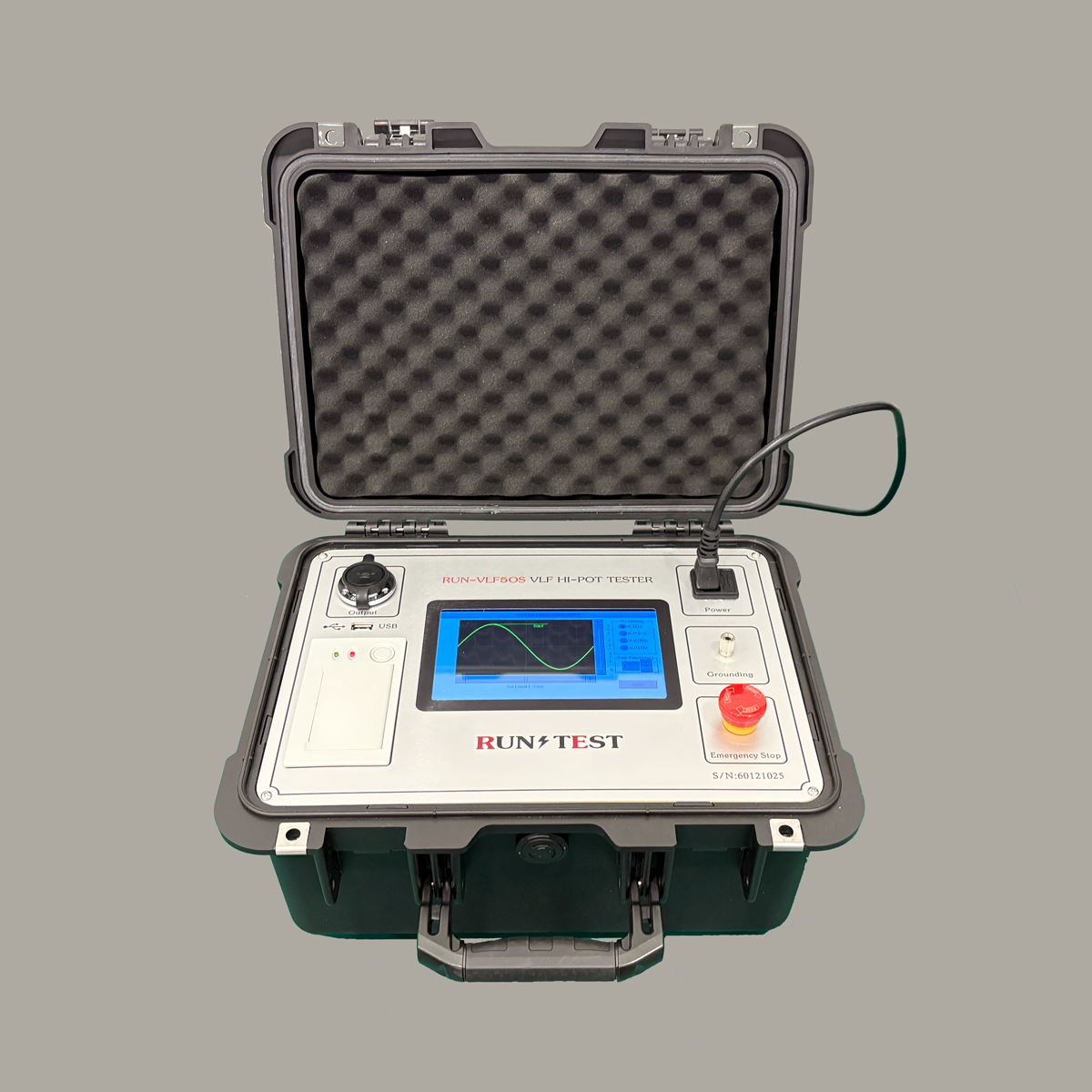
Máy thử điện áp cao tần số rất thấp (VLF) 50 kV
-

Ultra-low Frequency Withstand Voltage VLF & DC Hipot Tester 40KV
-
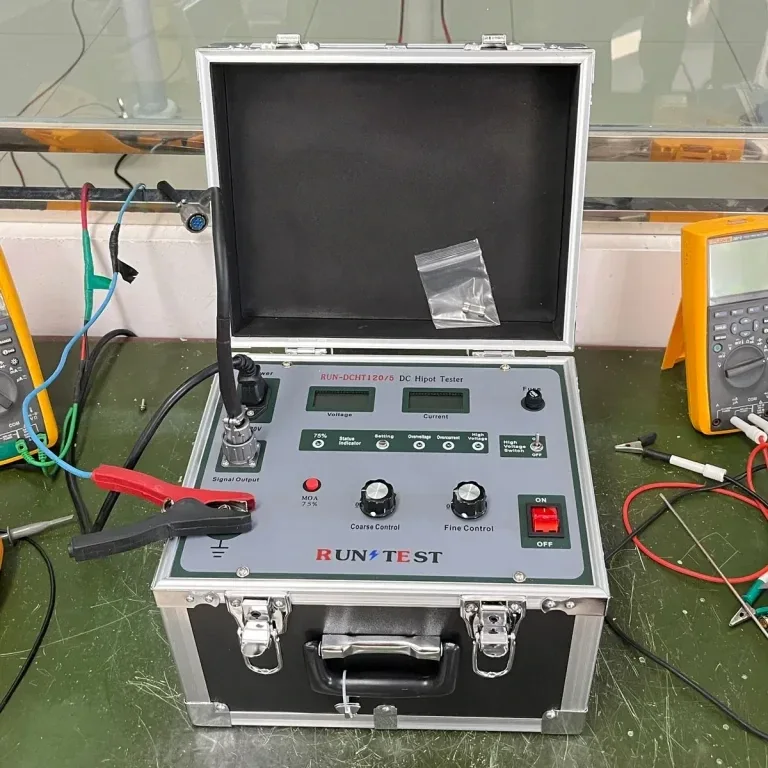
Máy kiểm tra điện áp cao DC 120 kV, 5 mA cho cáp
-
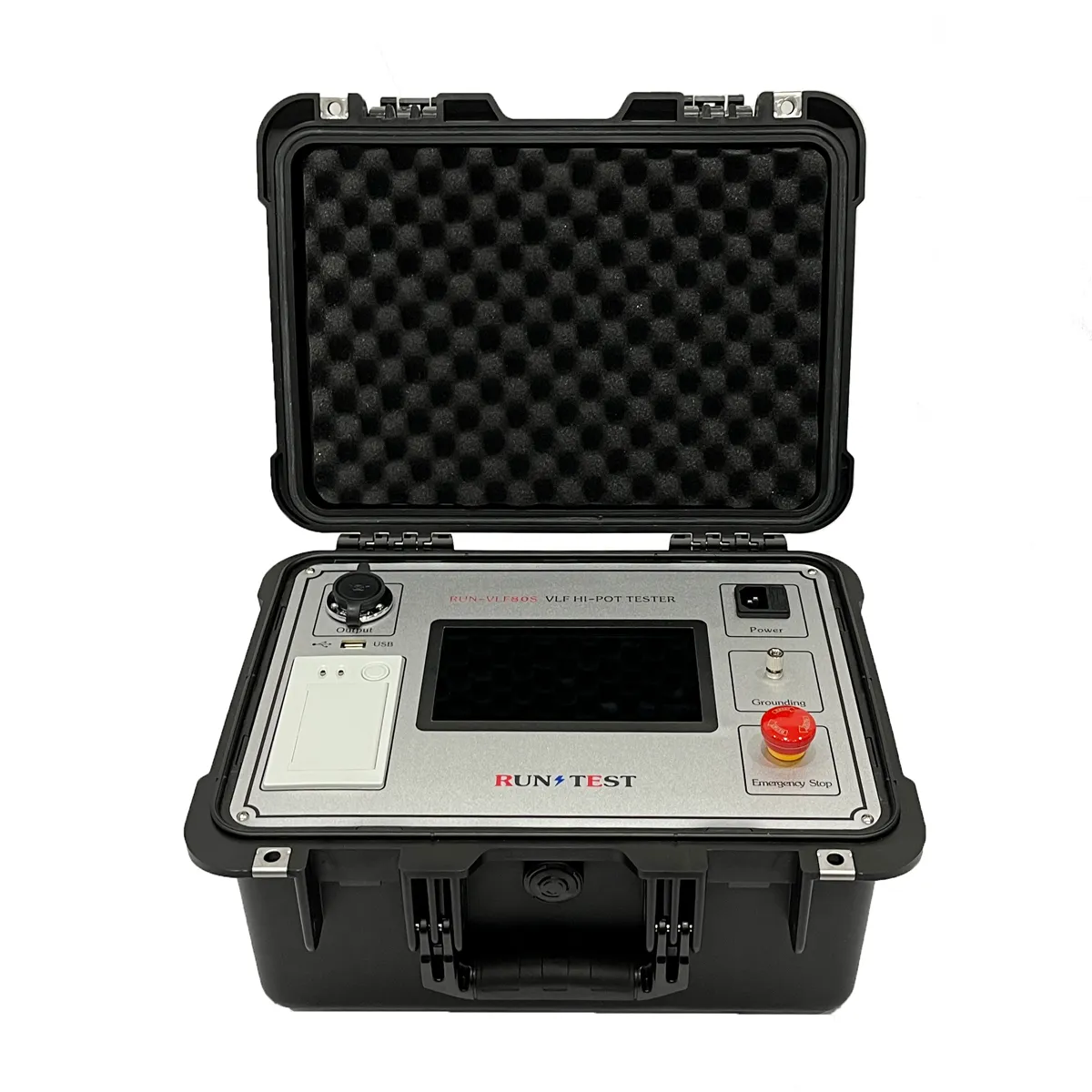
Máy kiểm tra điện áp cao trên cáp VLF 80 kV
-
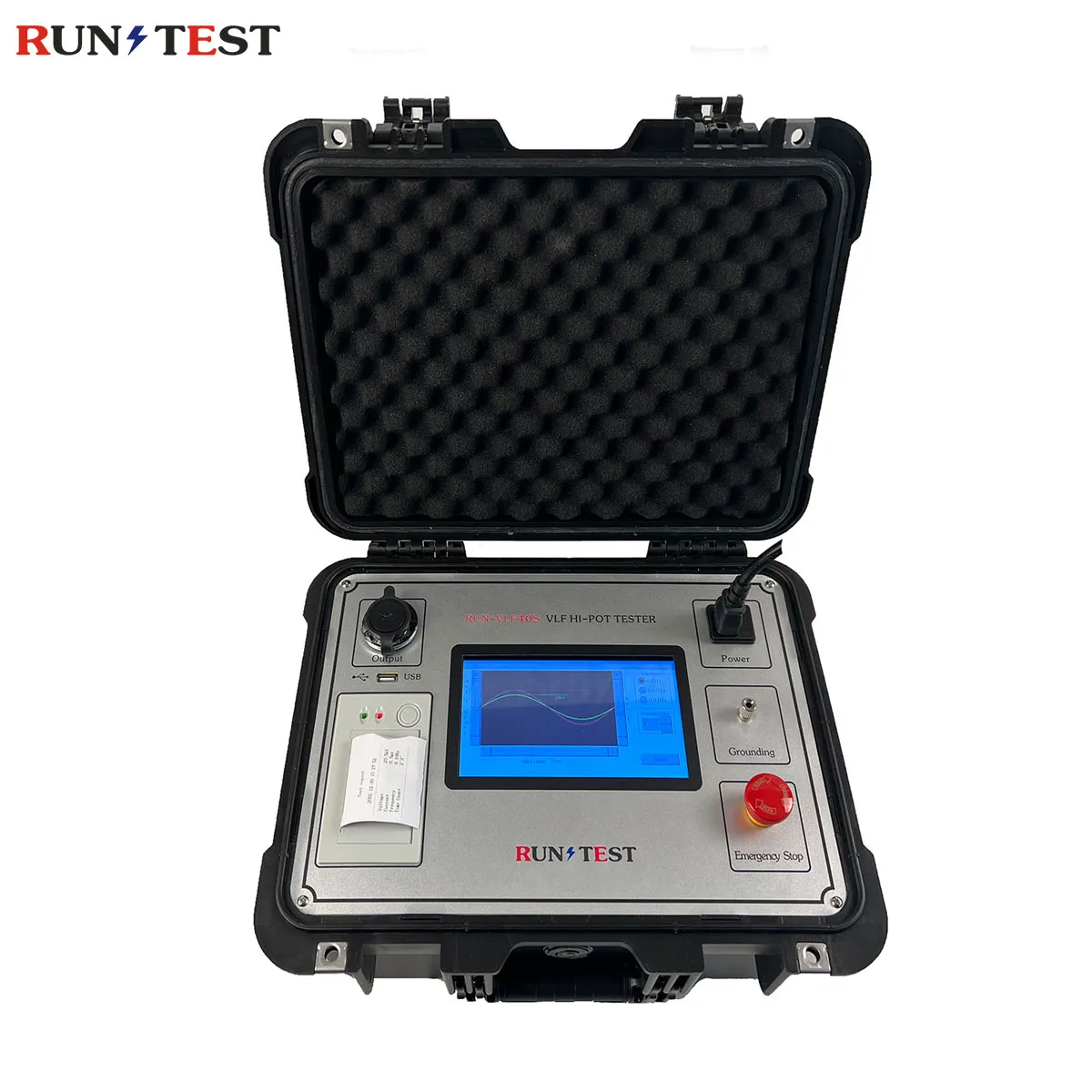
Máy kiểm tra điện áp cao tần số rất thấp (VLF) 40 kV
-
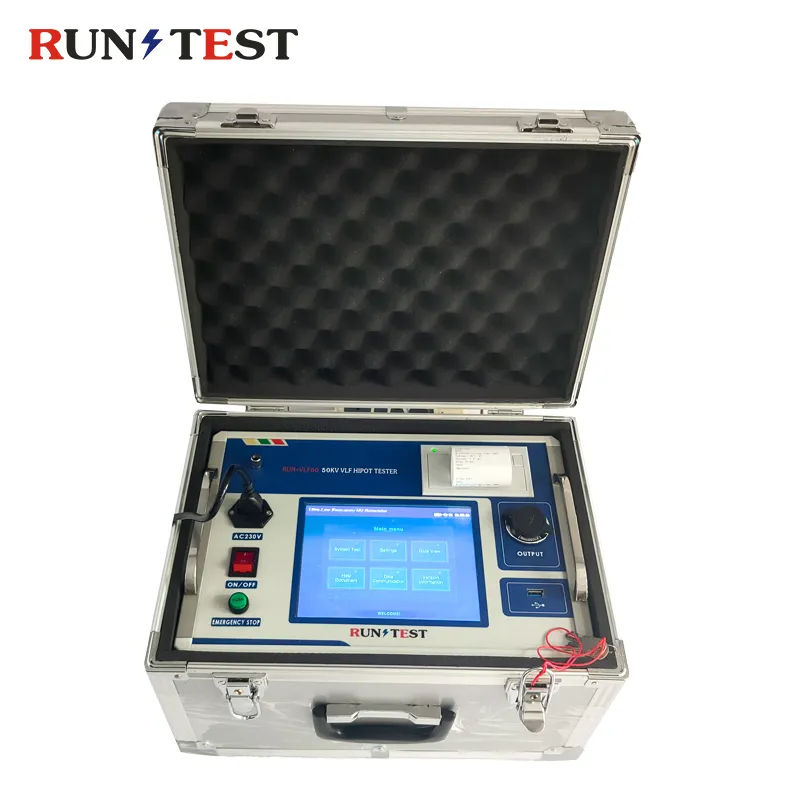
Máy phát điện cao áp tần số rất thấp 80 kV, máy phát điện Hipot xoay chiều
-
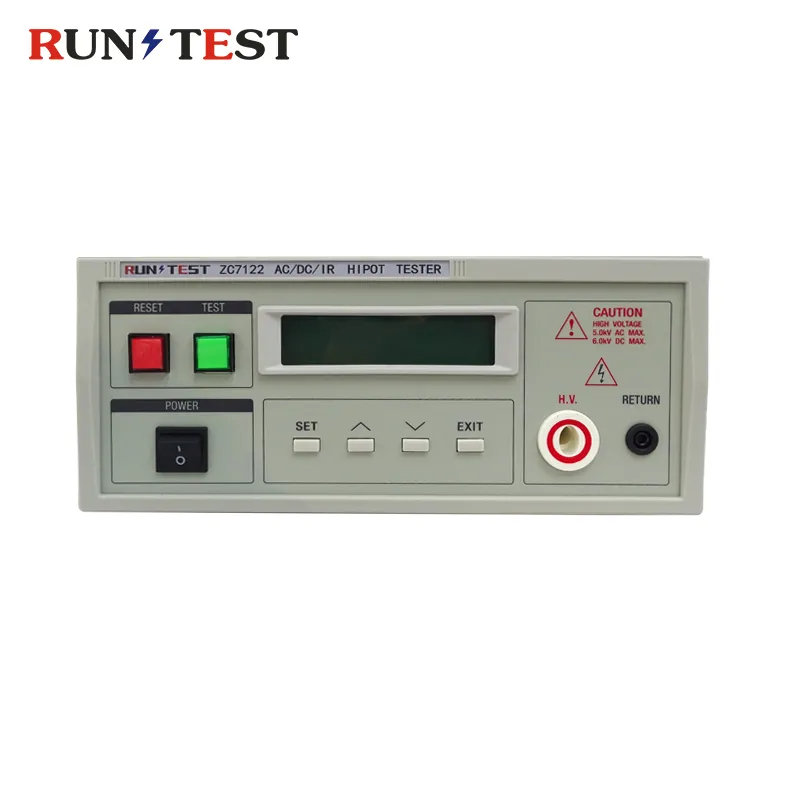
Máy kiểm tra điện áp cao (Hipot) 5 kV AC và 6 kV DC, Máy đo điện trở cách điện
-
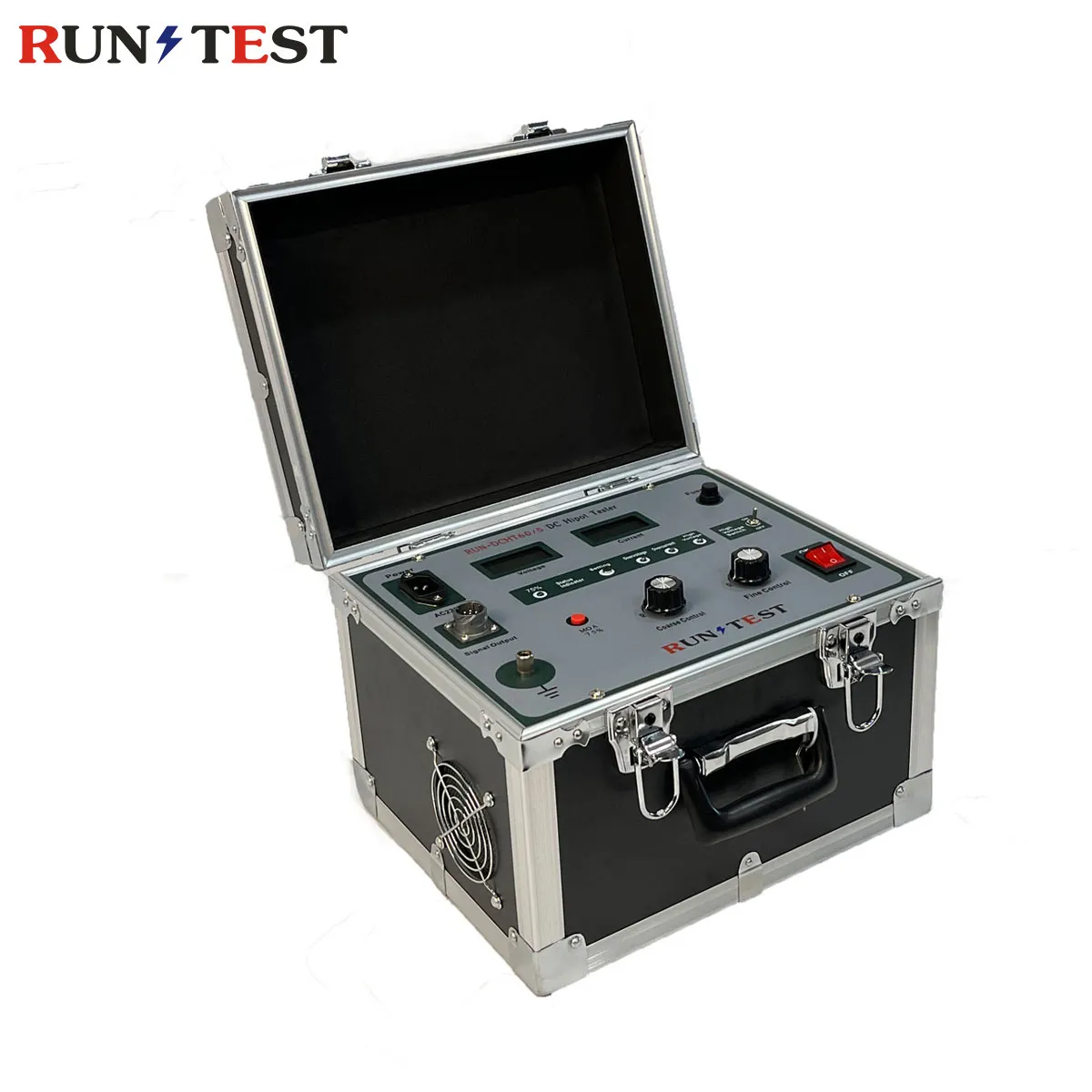
Máy phát điện một chiều cao áp Máy kiểm tra điện áp cao DC
-
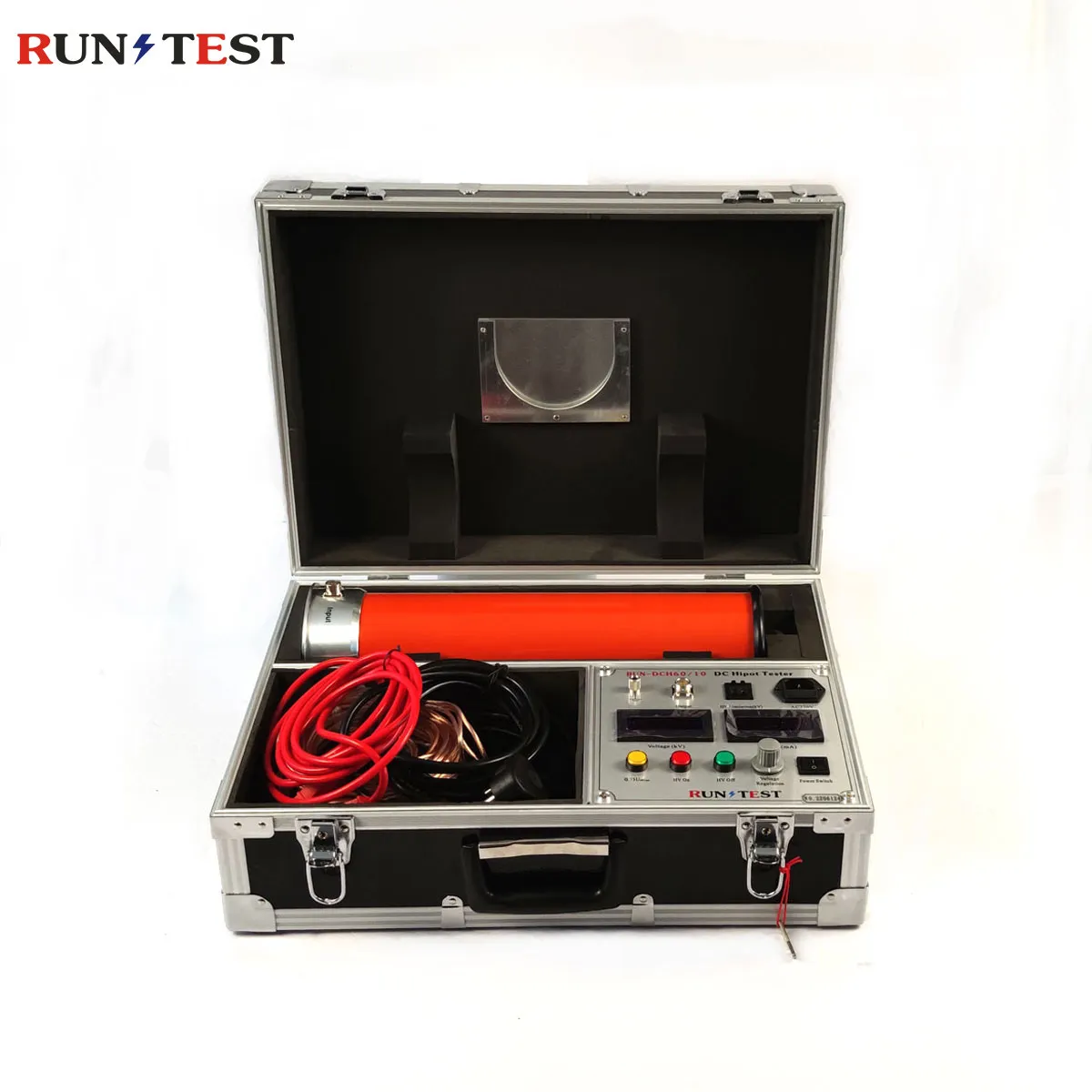
Máy phát điện một chiều (DC) cao áp kiểu tất cả trong một, di động dành cho thiết bị chống sét
What Is a High Voltage Tester Used For?
A high voltage equipment tester is designed to evaluate whether electrical equipment can safely withstand elevated voltage conditions without insulation breakdown, flashover, or abnormal leakage current. These instruments are commonly used in power transmission, substations, cable manufacturing, electrical maintenance, and industrial commissioning work.
Depending on the application, a voltage tester high tension system may be used for:
- cable withstand voltage testing
- transformer and switchgear insulation verification
- surge arrester testing
- generator and motor insulation diagnostics
- preventive maintenance for medium- and high-voltage assets
- factory and field high power testing of electrical insulation systems
Types of High Voltage Test
1. Hipot Test (High Potential Test)
During a hipot test, high voltage is applied to the conductors of the equipment under test to verify whether the insulation can withstand the specified voltage stress. If the insulation fails to hold, leakage current or breakdown current will appear, indicating a defect, weakness, contamination issue, or insulation failure in the equipment.
Hipot testing is widely used for power cables, switchgear, motors, transformers, and other electrical assets that require insulation withstand verification. It is one of the most common methods used with an industrial high voltage tester
2. Lightning Impulse Test
The purpose of a lightning impulse test is to simulate the effect of lightning strikes and transient high-voltage surges on electrical equipment. This test helps determine whether the equipment can resist sudden overvoltage events without insulation damage or internal failure.
Lightning impulse testing is especially important for transformers, power apparatus, and high-voltage systems exposed to outdoor service conditions or switching surges
Applications of High Voltage Testing
High voltage testing is widely used across power generation, transmission, distribution, and industrial electrical maintenance. Typical applications include:
- Máy biến áp điện: We could use it to ensure insulation stays intact.
- Switchgear: We could check how it performs under high-voltage conditions.
- Cables: We could test the insulation strength, especially for long-distance transmission lines.
- Motors and generators: We could evaluate the condition of their insulation systems.
High Voltage Test Types and Recommended Equipment
| Test Type | Main Purpose | Typical Equipment Under Test | Recommended High Voltage Tester |
|---|---|---|---|
| Xét nghiệm Hipot | Verify insulation withstand strength under elevated voltage | Cables, motors, transformers, switchgear | VLF hipot tester, AC/DC hipot tester |
| Lightning Impulse Test | Simulate lightning or surge overvoltage conditions | Transformers, high-voltage apparatus, outdoor power equipment | impulse test system / dedicated high-voltage test setup |
| Cable Withstand Voltage Test | Confirm cable insulation performance before commissioning or after maintenance | Power cables, medium-voltage and high-voltage cable systems | VLF cable hipot tester, DC high voltage generator |
| Thử nghiệm điện áp cao tại DC | Apply DC voltage for insulation assessment and withstand testing | Cables, surge arresters, electrical components | DC hipot tester, portable DC high voltage generator |
| Industrial Insulation Test | Evaluate insulation condition in plant equipment and field assets | Motors, generators, switchgear, industrial electrical systems | industrial high voltage tester |
Featured High Voltage Test Equipment
RUN TEST supplies a complete range of high voltage testers for field and factory testing. This category includes products such as:
- 50kV VLF Hipot Tester
- 40kV VLF & DC Hipot Tester
- 120kV 5mA DC Hipot Tester for Cables
- 80kV VLF Cable Hipot Tester
- 40kV VLF Hipot Tester
- 80kV Very Low Frequency AC Hipot Generator
- 5kV AC / 6kV DC Hipot Tester
- Máy phát điện một chiều cao áp Máy kiểm tra điện áp cao DC
- Portable All-in-One DC High Voltage Generator for Surge Arrester
These products are suitable for cable testing, substation maintenance, transformer service, industrial insulation verification, and other high power testing applications where stable output and dependable insulation diagnostics are required.
How to Choose the Right High Voltage Tester
The right Máy kiểm tra điện áp cao depends on the test object, required output voltage, and the type of electrical test you need to perform. Some projects require VLF testing for cable insulation, while others need DC high-voltage output for surge arrester testing or general insulation withstand verification.
| If You Need To… | Recommended Equipment | Why It Fits |
|---|---|---|
| Test medium- and high-voltage cable insulation | VLF cable hipot tester | Suitable for cable withstand testing with lower power consumption and effective insulation evaluation |
| Perform general AC/DC hipot testing | Hipot tester | Used for insulation withstand tests on switchgear, motors, cables, and electrical assemblies |
| Test surge arresters and selected DC applications | Máy phát điện cao áp DC | Delivers stable DC output for high-voltage field testing |
| Verify insulation performance of industrial electrical systems | Industrial high voltage tester | Suitable for maintenance teams, plant testing, and commissioning work |
| Carry out high-voltage diagnostics in substations or utility systems | High voltage equipment tester with suitable output range | Supports testing of transformers, switchgear, cables, and other power assets |
Safety Considerations for High Voltage Testing
High voltage testing involves significant electrical risk, so safety procedures must always be followed. Proper preparation, protective equipment, and controlled test procedures are essential to reduce the risk of electric shock, arc incidents, and equipment damage.
Key safety practices include:
- properly grounding the equipment and the testing system
- wearing personal protective equipment (PPE), including insulating gloves and safety shoes
- marking the test area as a hazardous zone
- operating test equipment remotely whenever possible
- following site lockout, discharge, and clearance procedures before and after testing
High voltage testing is essential for ensuring that electrical systems remain safe, dependable, and capable of operating under demanding voltage conditions.
Why High Voltage Testing Matters in Industrial and Utility Systems
High voltage testing is a key part of preventive maintenance, commissioning, and quality assurance in power systems. It helps operators identify insulation weaknesses before failure occurs, verify the condition of cables and switchgear, and confirm that equipment can tolerate expected operating stress.
For utilities, electrical contractors, industrial maintenance teams, and testing laboratories, the right high voltage tester can improve safety, reduce unexpected outages, and support more reliable system performance across substations, factories, cable networks, and power distribution assets.
FAQ About High Voltage Test Equipment
What is a high voltage tester used for?
A high voltage tester is used to verify insulation strength and electrical integrity by applying elevated voltage to cables, transformers, switchgear, motors, and other electrical equipment. It helps detect insulation defects, leakage paths, and weaknesses before failure occurs.
What is the difference between a VLF hipot tester and a DC hipot tester?
A VLF hipot tester is commonly used for cable insulation withstand testing with very low frequency output, while a DC hipot tester applies direct current high voltage for insulation assessment, surge arrester testing, and other high-voltage applications.
What equipment can be tested with a high voltage equipment tester?
Typical test objects include power cables, transformers, switchgear, motors, generators, surge arresters, and other medium- or high-voltage electrical systems.
Is high current test equipment the same as a high voltage tester?
No. A high current test system is mainly used to inject or measure high current in electrical equipment, while a High Voltage Tester is designed to apply elevated voltage for insulation and withstand testing. In some maintenance programs, both test methods may be used together depending on the equipment and test objective.